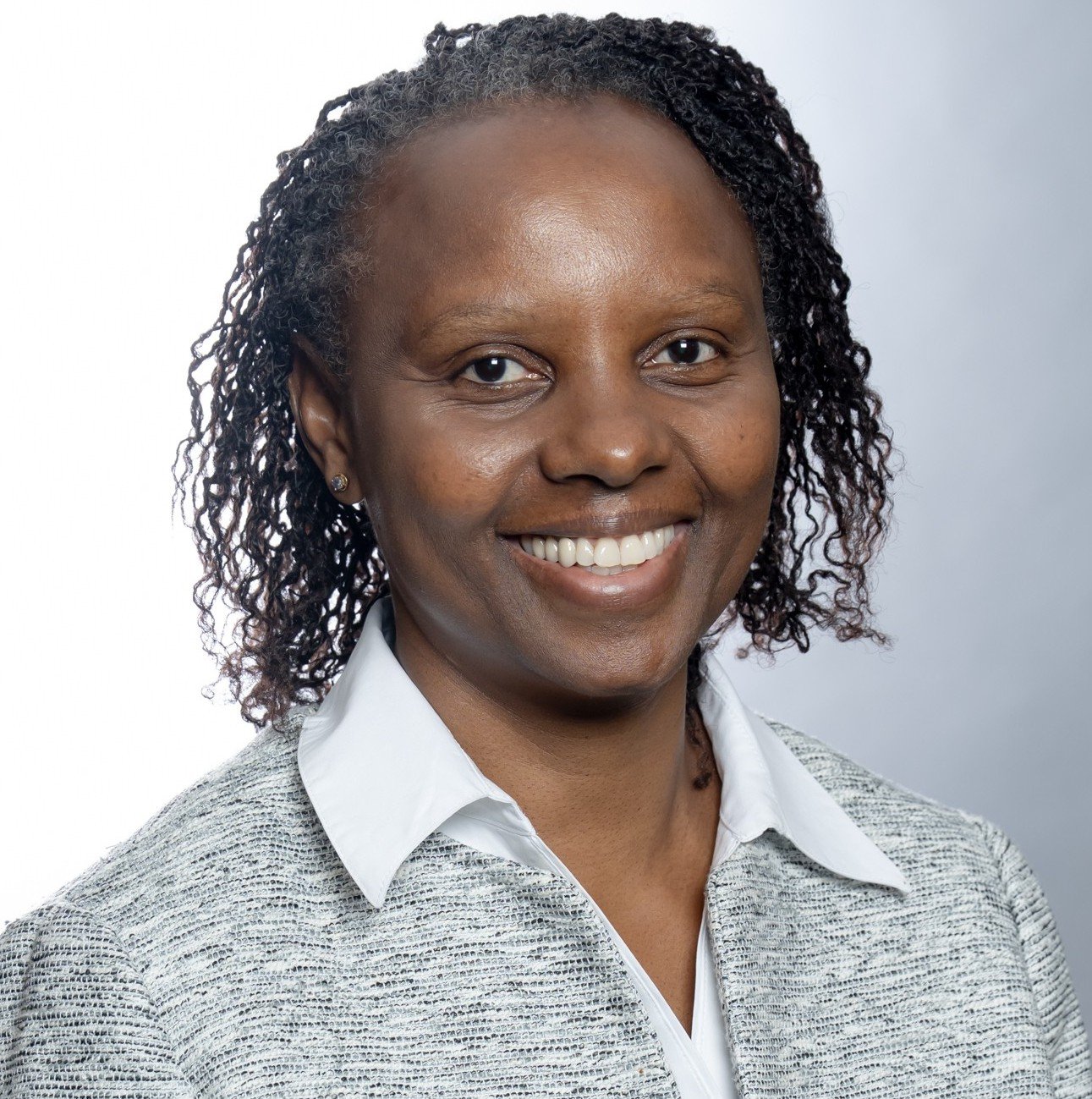
Personal Profile: Milka Njiraini, WBFN President Operations and MMEG Reader
Tell us a bit about yourself and how you first got involved with WBFN
I am a volunteer with the World Bank Family Network and MMEG. I'm originally from Nairobi, Kenya, and spent many years working in banking in Nairobi, London, and Dar Es Salaam.
I have three children and first joined the Family Network in 2006 when we moved to the DC area with my husband, who works at the International Finance Corporation. A WBFN volunteer organized a playgroup for World Bank families in Northern Virginia, which helped my children make friends quickly and made my transition much easier.
In 2009 my family relocated to Nairobi, and in 2012–2013, I helped launch the Family Network chapter there—one of the first outside Washington, DC. I volunteered to welcome new members to Kenya and help organize community events. Later we moved to Johannesburg, where Family Network volunteers again welcomed me and helped me settle in. After almost 5 years in Johannesburg, we were on the move back to DC. I immediately contacted WBFN and received a lot of support for the move for myself and my family. Once I was settled, I registered as a volunteer and later joined the Executive Committee. In May 2025, I was nominated as President Operations of WBFN and confirmed at the WBFN annual meeting. I took on the role starting July 2025.
What is most important to you about your work as WBFN President Operations?
As President Operations at the Family Network, I work with WBFN staff and volunteers to ensure that we offer events that help our members build meaningful networks wherever they are based, including webinars on topics of interest to our community. Our DC chapter is the most active one, and as the operations lead, I support the office in delivering well‑organized events that facilitate social connection and engagement among our members. This work is particularly important to me because I've witnessed firsthand how such initiatives help members find their footing in the countries where their spouses are posted and create a sense of community.
Why do you volunteer with MMEG?
I volunteer with MMEG because I understand the importance of helping women in low‑income communities access education—whether to secure employment or to start income‑generating projects. As a volunteer supporting families in underserved communities in Nairobi, I witnessed firsthand how hardworking women are often held back by a lack of resources. When you empower a woman to become financially independent, you not only transform her life but also increase the likelihood that her children will avoid growing up in extreme poverty. In turn, they can stand on their mother’s shoulders and pursue even greater opportunities.
What's the most rewarding aspect of reading on the Trinity Washington University Selection Committee?
When you read about the women who apply for the MMEG grant from Trinity Washington University, you gain insight into the many ways women are transforming their communities despite significant challenges. Many applicants come from families that struggle to make ends meet, and some have even experienced homelessness at some point in their lives. Witnessing their determination to overcome adversity and uplift those around them is deeply inspiring. It motivates me to support their efforts and help them access the education they need to expand the impact of their work.