

Mildred Chukwuedum Emegha, from Nigeria, is a dedicated chemist. She earned a bachelor’s degree and two master’s degrees in chemistry and is completing a PhD in electroanalytical chemistry at the University of Missouri, Columbia.
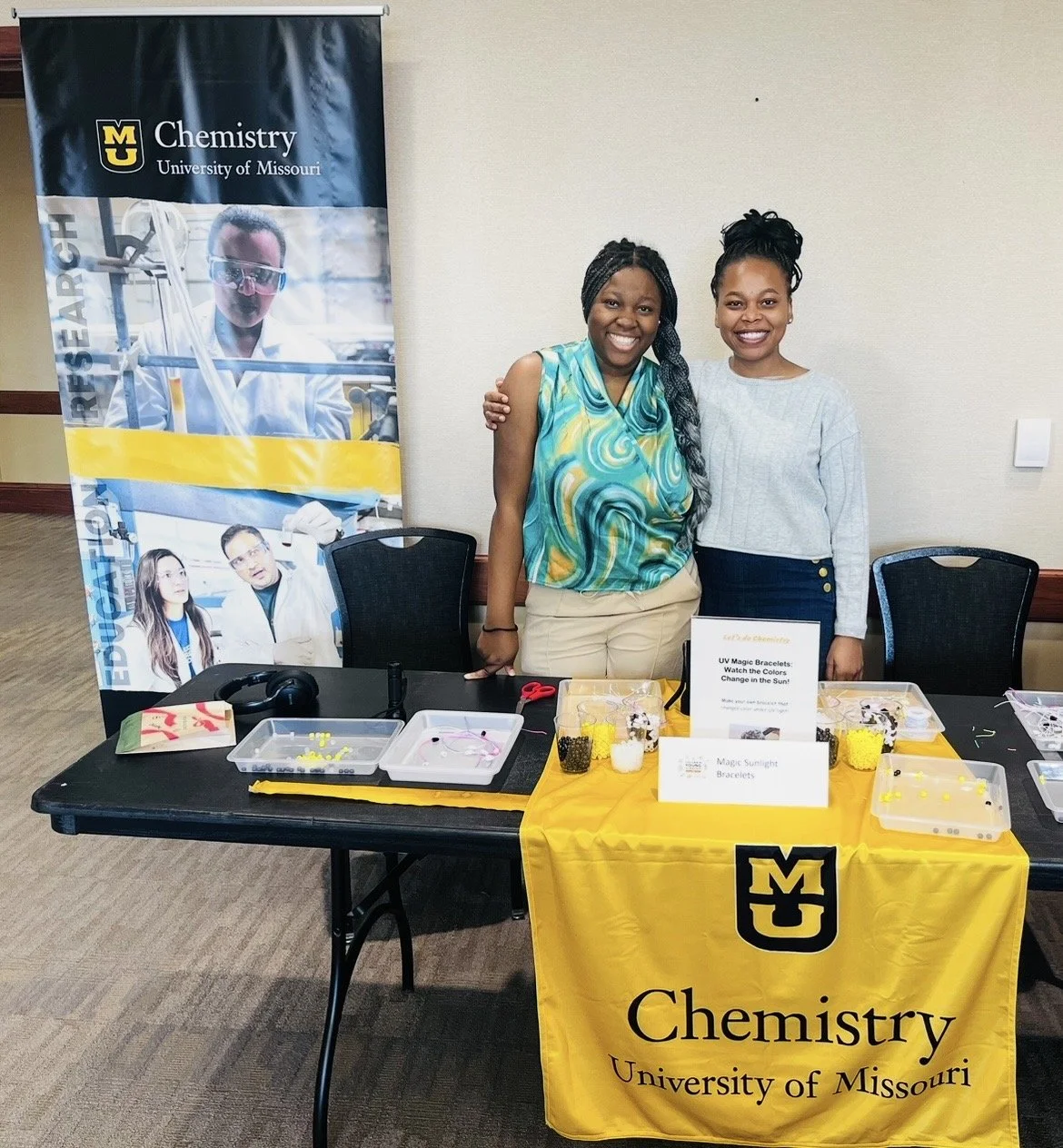
Her research focuses on developing low-cost ammonia and volatile organic compound (VOC) gas sensors for early detection of harmful gases and environmental toxins, and electrochemical sensing platforms for detecting contaminants such as lead in water. Her work also involves electrodeposition, sensor surface modification, and development of novel materials and electrolytes to improve sensor sensitivity and selectivity. Elevated ammonia and VOC exposure, linked to liver disease, neurological damage, and respiratory illness, often goes undetected in women, children, and older adults.
Growing up in rural areas of Nigeria, Mildred saw firsthand how the absence of necessities—clean water, education, and mentorship—can impact a community. After her father died, she supported herself through university by producing and selling liquid soap and other household products. This experience showed her how scientific knowledge can improve livelihoods.
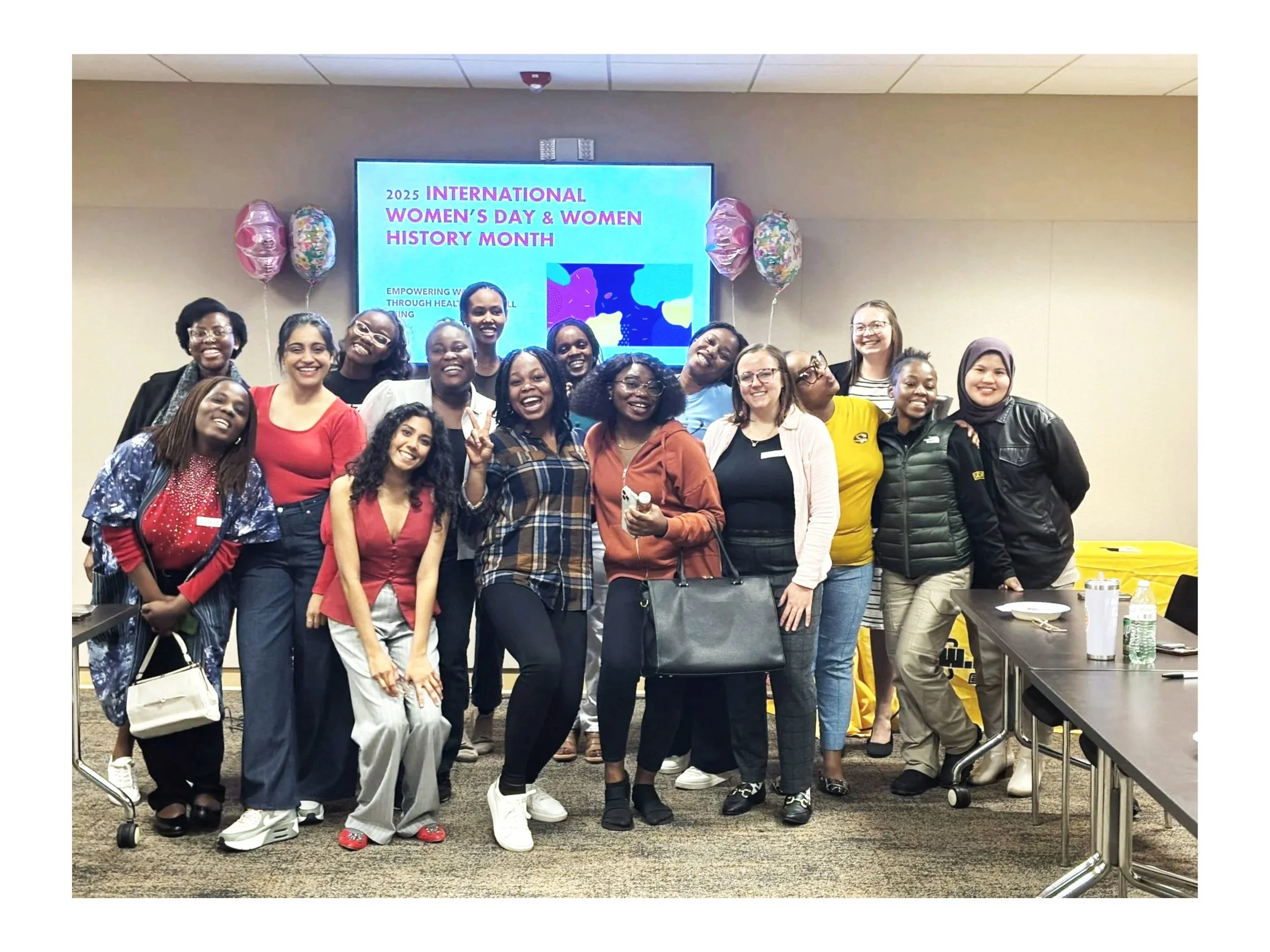
Mildred has led initiatives supporting women and children. She founded her university chapter of Women Economic Empowerment (WEE@Mizzou), which supports women in health, career development, and personal finance. She also participated in the Women in Chemistry initiative, leading a one-week program that trained 50 women in rural communities in producing income-generating household products.
Mildred’s career goal is to become an independent researcher and professor developing innovative sensing technologies that advance public health, environmental safety, and early detection of toxic exposure and water contamination.