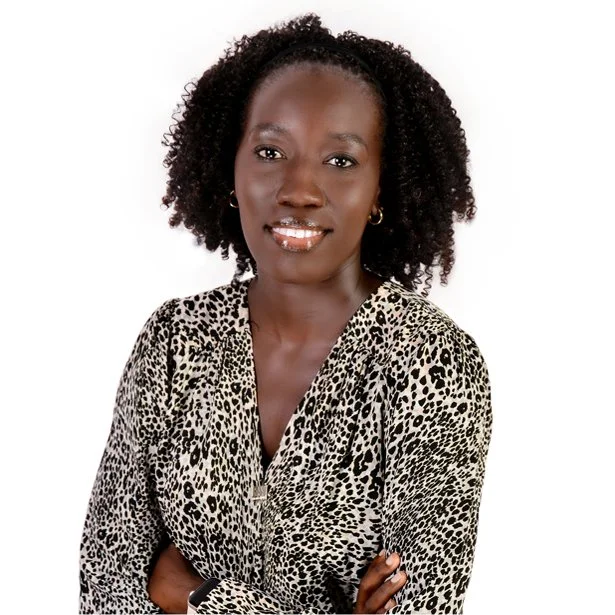
Barbra Aber

In her own words

Barbra Aber, from Uganda, is completing a dual master’s degree in social work and social policy at Washington University in St. Louis. She has a bachelor’s degree in social work and community development from Kyambogo University in Uganda.
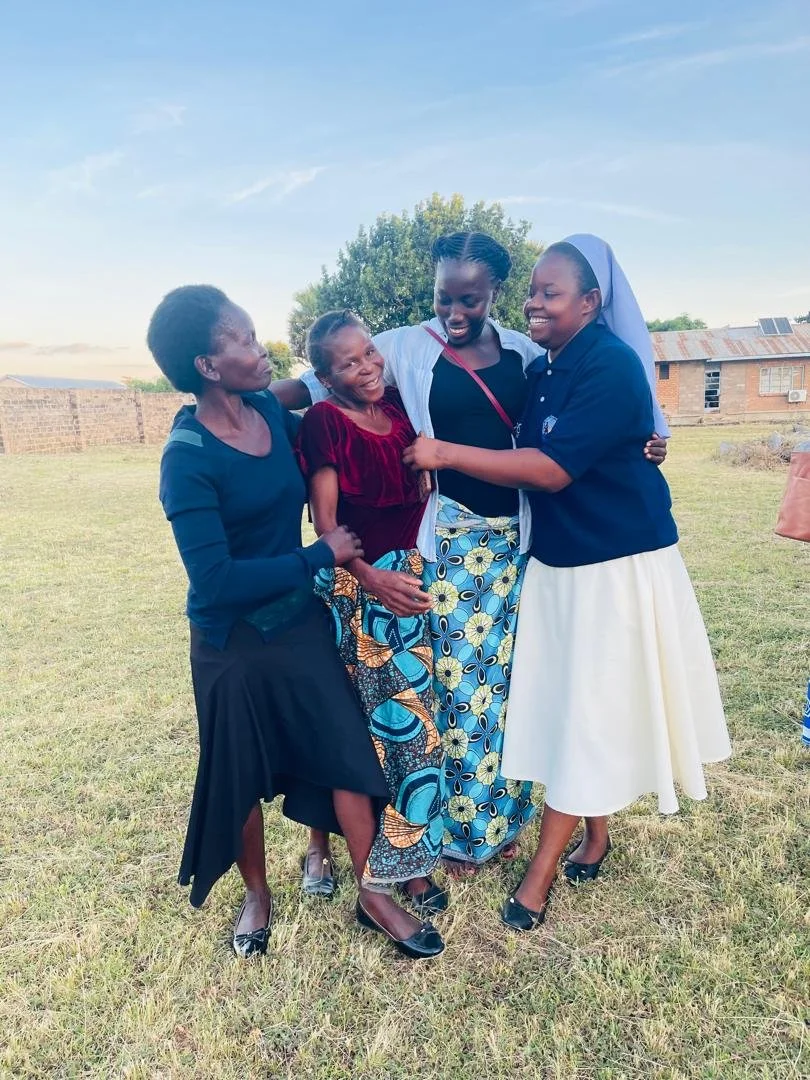
Barbra worked as a social worker for 15 years before beginning her master’s program. Her commitment to women and children is demonstrated by work that focuses on family reunification, strengthening prevention programs, and building community reintegration services for separated children. 

On a national level, she spearheaded the development of Uganda’s National Guidelines for Alternative Care, National Foster Care Guidelines, and Case Management Guidelines for Reintegration. She was instrumental in the design of foster care and adoption programs and trained more than 400 social workers across 12 districts, helping to build a stronger child protection workforce. She has worked at several international organizations and has contributed to the shift from institutional care to family-based systems across seven African countries.
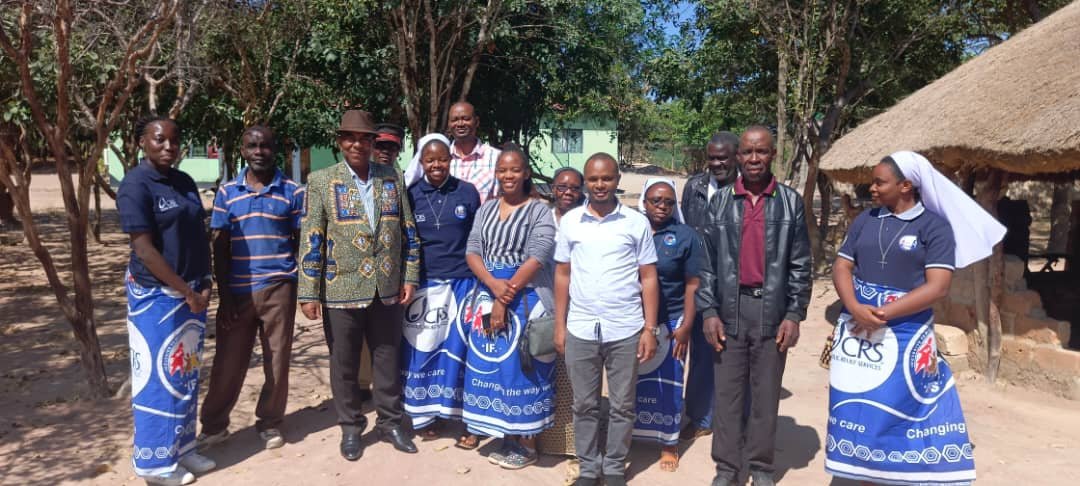
With her volunteer work, she extends her commitment further. For example, since 2018, she has mentored young women transitioning out of care, providing support through skills training, education pathways, and psychosocial care.
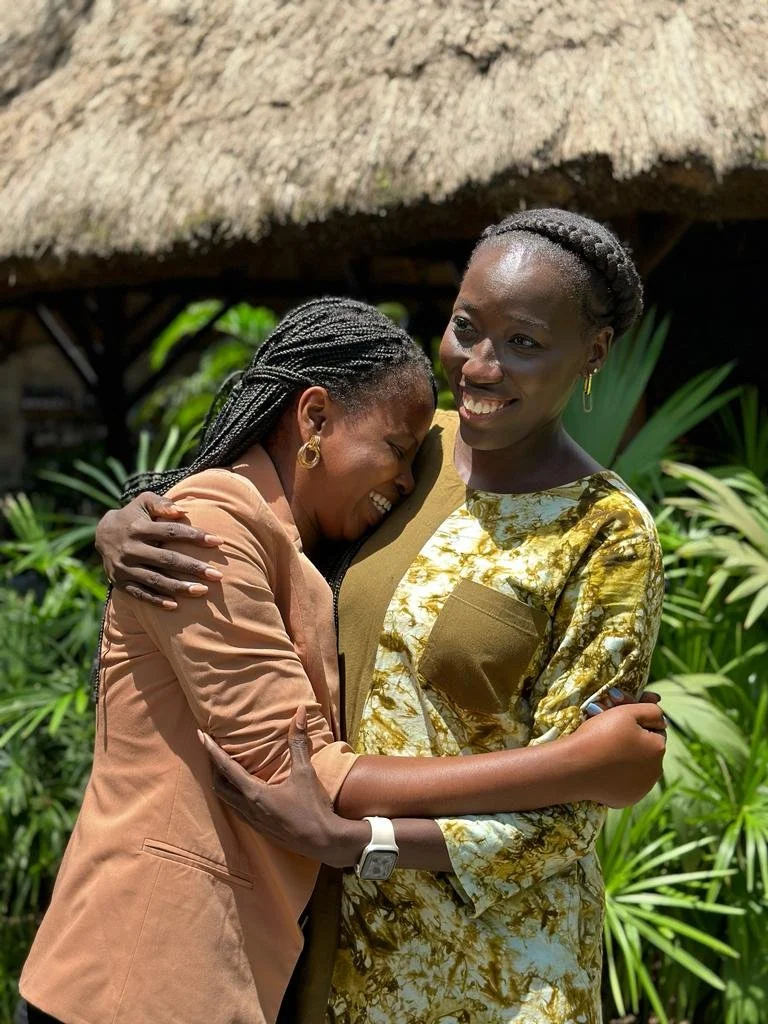
Barbra’s career goals include establishing a practitioner-led think tank focused on children and families in Uganda. She will carry out policy analysis, program evaluation and systems design on a national scale.

Barbra describes herself as “a social worker, a facilitator, a sister,” which captures the true essence of her being!

Olabisi Atofarati

In her own words

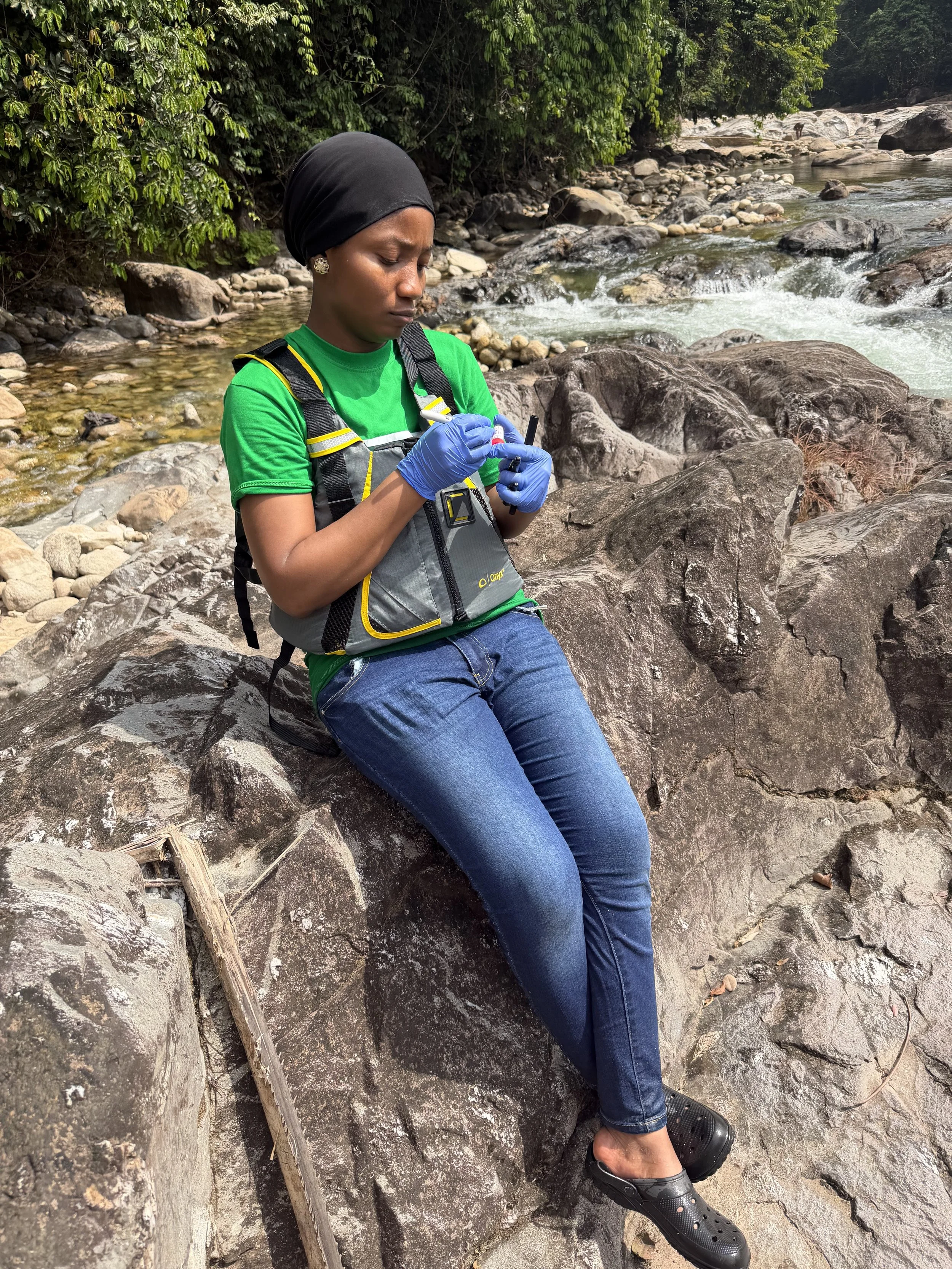
Olabisi Atofarati, from Nigeria, is a doctoral candidate in ecology and environmental biology at Howard University. Her research explores the intersection of conservation science, public health, and gender by integrating molecular ecology, feeding ecology, and gut microbiome analyses to understand fish biodiversity, diet, and ecosystem functioning in Nigerian aquatic systems. Her work aims to advance biodiversity conservation, enhance food security and safety, and reduce health risks for women, who make up a significant portion of the fisheries workforce in Nigeria.

Olabisi holds a master’s degree in environmental biology from the University of Abuja, where she graduated with distinction and was named Best Graduating Student, and a bachelor’s degree in zoology from the University of Ilorin, where she earned first class honors. A first-generation scholar from an underserved background, she exemplifies resilience and leadership, pursuing her doctorate full-time in the United States while maintaining strong family commitments in Nigeria.

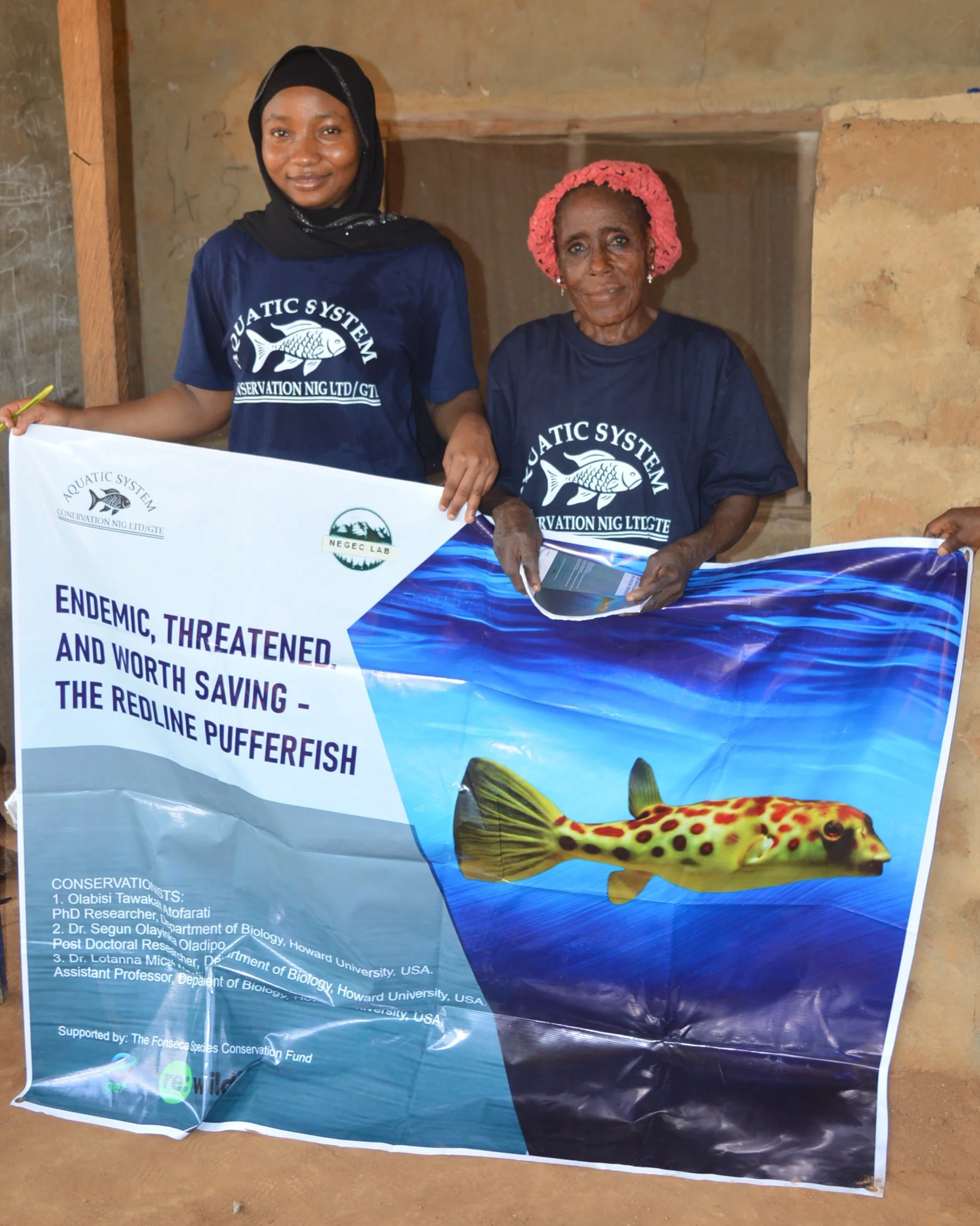
She is the founder of Aquatic System Conservation Nigeria, an initiative dedicated to biodiversity conservation, environmental education, and women’s empowerment. Through this organization, she has established conservation clubs in schools, mentored over 150 girls in STEM, and led outreach programs reaching hundreds of students in underserved communities. Olabisi aims to further expand the organization’s reach and amplify its impact through teaching, research, and policy engagement.

Olabisi aspires to become a professor of environmental biology, where she will combine research, teaching, and policy engagement to advance sustainable ecosystems, contribute to the development of her home country, and empower women and girls through science and education.

Augusta Ekpemogu

In her own words

Augusta Ekpemogu, from Nigeria, is completing a PhD in mechanical engineering at North Carolina State University. She holds a bachelor’s degree in mechanical engineering and a master’s degree in building services engineering, both from universities in Nigeria. Her experience, research, and career goals are united by a single purpose: to use engineering as a tool to advance women’s health.

Augusta is applying her engineering background to develop improved treatments for uterine fibroids. An established minimally invasive treatment option, uterine fibroid embolization, can sometimes affect healthy uterine tissue and impact fertility. Drawing on her expertise in material behavior and properties, she applies principles from biomechanics and biomaterials to study how these materials interact with the human body and tissue. Her doctoral research focuses on understanding the biomechanical effects of uterine fibroid embolization on uterine tissue, particularly material-tissue interactions, and on developing safer embolic materials.

Beyond her research, Augusta actively contributes to her community through volunteering and outreach activities that support children, including initiatives that inspire interest in STEM.

In the long term, Augusta aims to work as a research and development engineer in the biotechnology or healthcare industry, advancing therapeutic technologies for uterine fibroids and other conditions affecting women’s health. She also plans to expand her mentorship and outreach efforts to encourage young women to pursue careers in engineering and biomedical science.

Mildred Chukwuedum Emegha

In her own words

Mildred Chukwuedum Emegha, from Nigeria, is a dedicated chemist. She earned a bachelor’s degree and two master’s degrees in chemistry and is completing a PhD in electroanalytical chemistry at the University of Missouri, Columbia.

Her research focuses on developing low-cost ammonia and volatile organic compound (VOC) gas sensors for early detection of harmful gases and environmental toxins, and electrochemical sensing platforms for detecting contaminants such as lead in water. Her work also involves electrodeposition, sensor surface modification, and development of novel materials and electrolytes to improve sensor sensitivity and selectivity. Elevated ammonia and VOC exposure, linked to liver disease, neurological damage, and respiratory illness, often goes undetected in women, children, and older adults.

Growing up in rural areas of Nigeria, Mildred saw firsthand how the absence of necessities—clean water, education, and mentorship—can impact a community. After her father died, she supported herself through university by producing and selling liquid soap and other household products. This experience showed her how scientific knowledge can improve livelihoods.

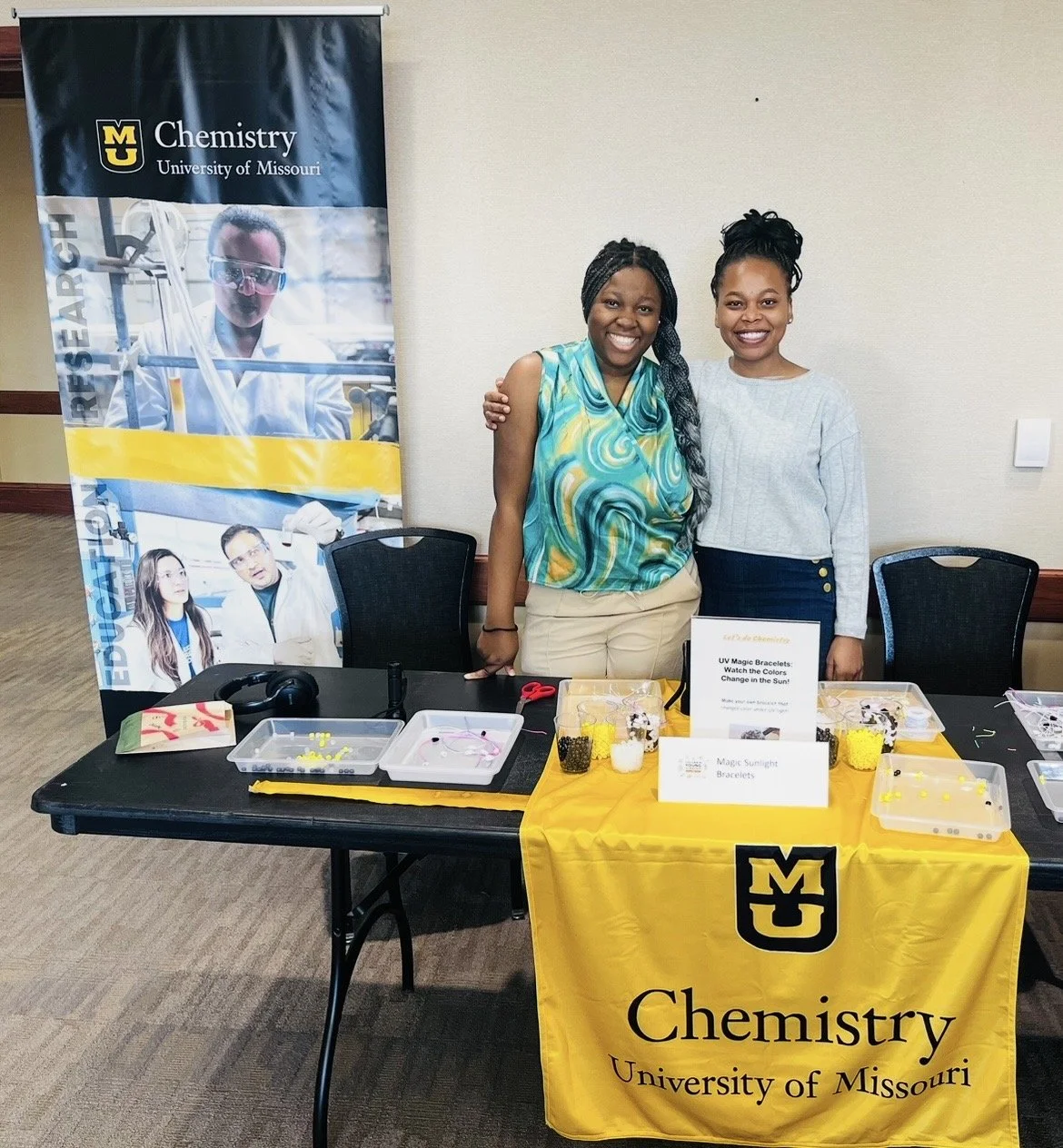
Mildred has led initiatives supporting women and children. She founded her university chapter of Women Economic Empowerment (WEE@Mizzou), which supports women in health, career development, and personal finance. She also participated in the Women in Chemistry initiative, leading a one-week program that trained 50 women in rural communities in producing income-generating household products.

Mildred’s career goal is to become an independent researcher and professor developing innovative sensing technologies that advance public health, environmental safety, and early detection of toxic exposure and water contamination.

Anita Kabarambi

In her own words

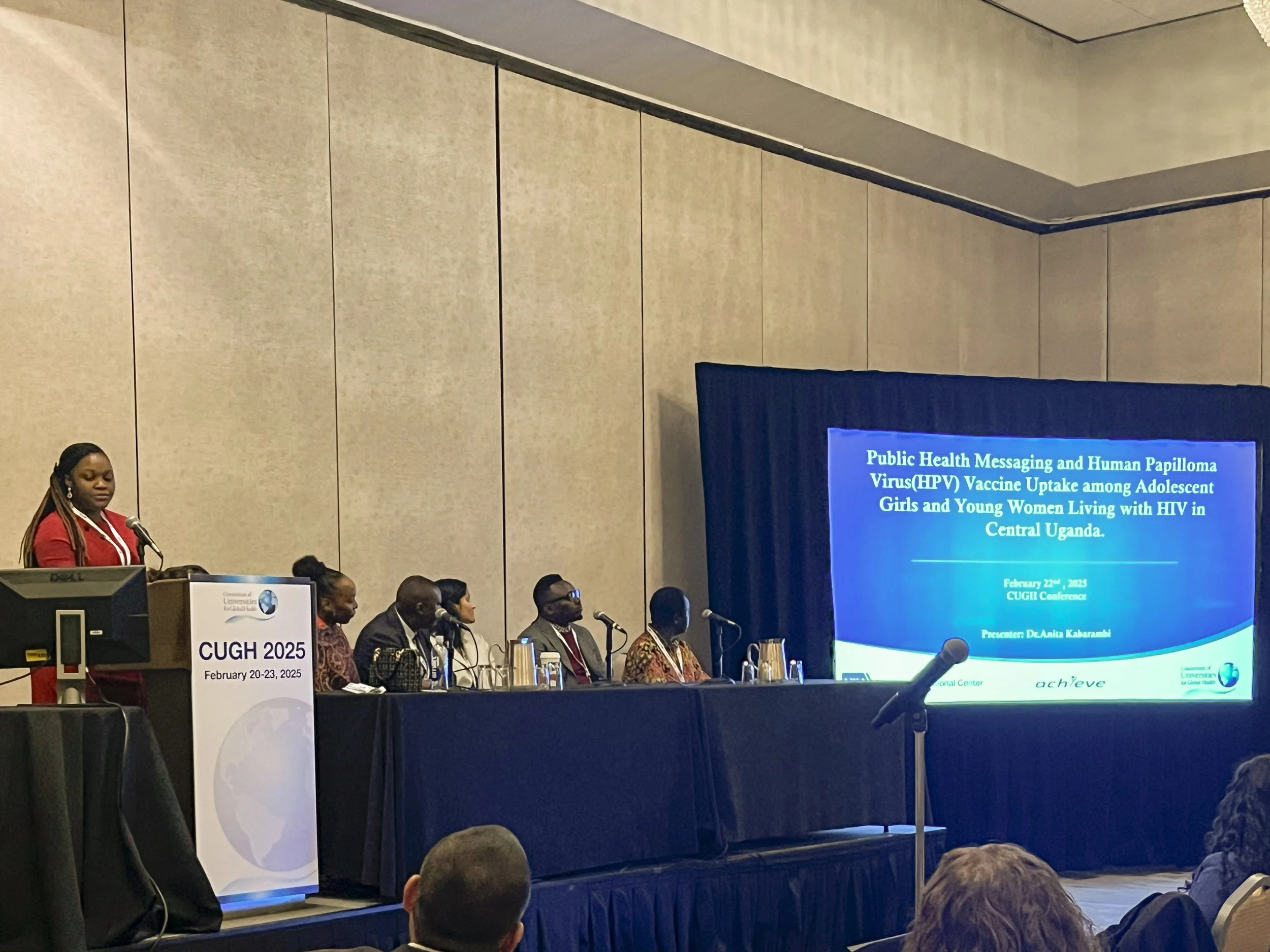
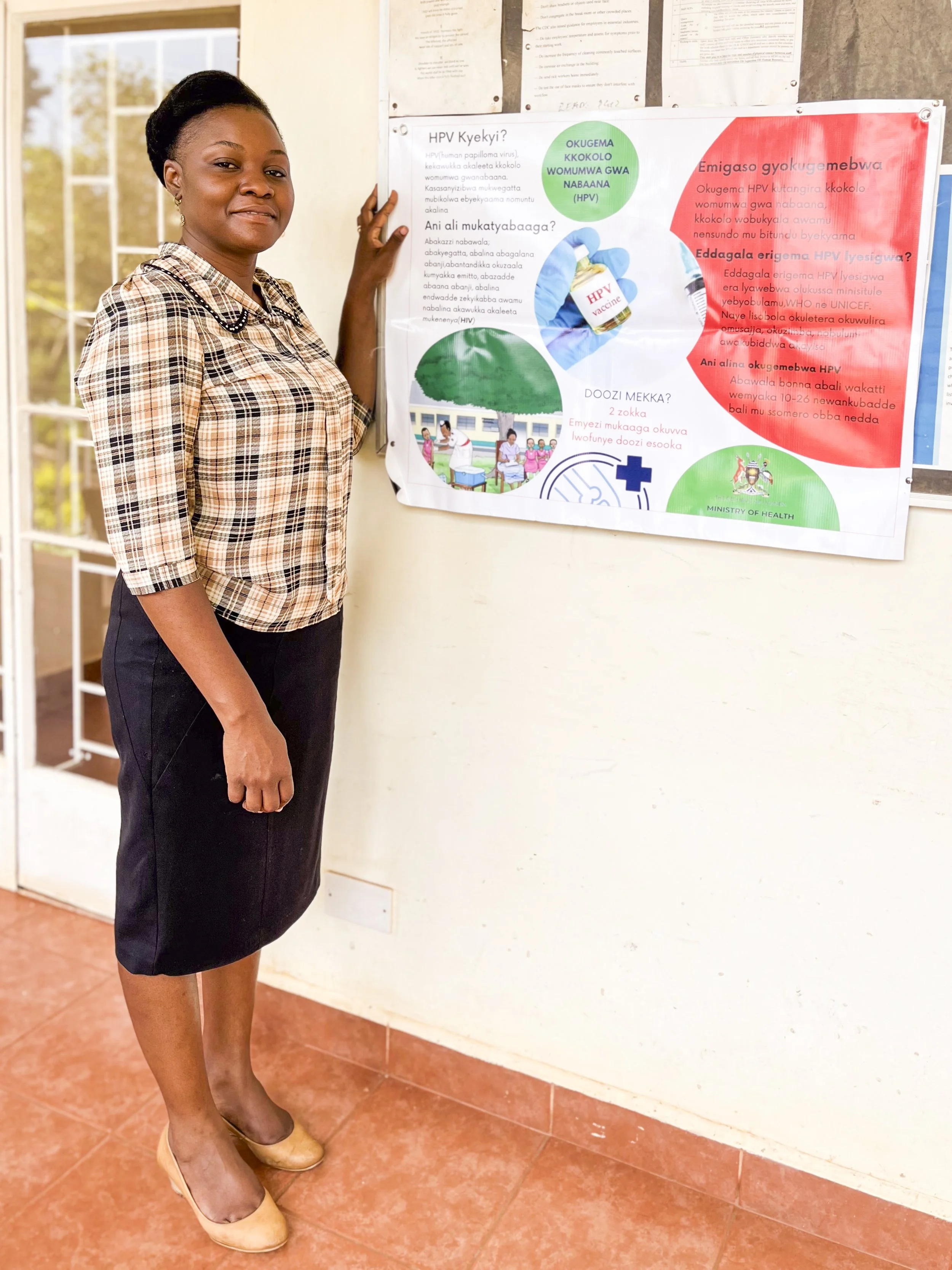
Anita Kabarambi, from Uganda, is a doctoral candidate in public health at Washington University in St. Louis. Raised in a home where service to others was a lived reality, Anita was inspired by her parents, an ophthalmologist and a retired midwife, to pursue a career in medicine. As a medical doctor, she chose to serve in HIV clinics, focusing on those often overlooked and stigmatized by the health system.

Anita witnessed firsthand the structural gaps in preventative care while working on clinical trials in rural Masaka. This experience sparked her current dissertation focus: developing an evidence-based model to integrate HPV vaccination (for cervical cancer prevention) into routine HIV care for adolescent girls and young women in Uganda. By utilizing implementation science, she aims to ensure that life-saving interventions move beyond research studies and become standard routine care.

Anita plans to work with the Ugandan Ministry of Health to translate her research findings into national policy. Her vision includes establishing a rural youth center to provide health information, mentorship, and career planning for young women. By bridging the gap between research and real-world practice, she seeks to empower the next generation of women to pursue meaningful careers while building healthy families.

Anita is described as a highly responsible leader with a compassionate heart. Having managed NIH-funded research, she epitomizes the blend of clinical expertise and research leadership. As a wife and mother of three, she carries a profound sense of resilience and commitment to her community, a true catalyst for change in sub-Saharan Africa.

Netsayi Chimenya Gowero Kilembe

In her own words

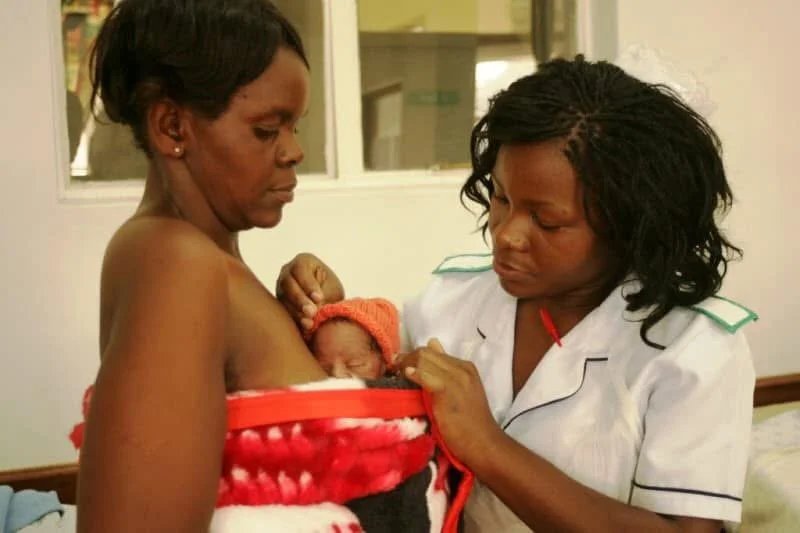
Netsayi Chimenya Gowero Kilembe, from Malawi, was born to a teenage mother who lived in a rural area in Malawi. When she was seven, her brother was born prematurely. The memory of her mother feeding her premature brother alone through a nasogastric tube inspired Netsayi’s career in neonatal nursing.

She is currently completing a doctorate in neonatal nursing at the University of Connecticut, with a thesis on culturally tailored tube-feeding education for low-birth-weight infants in low-resource settings. To achieve this aim, she is designing, carrying out, and assessing evidence-based interventions that work in resource-limited settings.  

Netsayi has 12 years of experience as a nurse, midwife, educator, and researcher in Malawi and Connecticut. In 2013, she was named Malawi’s Best Neonatal Nurse by the Ministry of Health and received the International Neonatal Excellence Award from the Council of International Neonatal Nurses.

After completing her PhD, Netsayi plans to return to Malawi to establish a neonatal nutrition unit, collaborate with global experts, and influence newborn health practices across sub-Saharan Africa. She aims to become a pediatric nurse consultant, training nurses and providing expert guidance to patients and families worldwide.

In 2015, Netsayi co-founded the Help the Child Foundation, providing basic needs and educational support to underprivileged children. The organization is based in Zomba, Malawi, a rural area that has a high rate of child marriages and school dropouts, especially among girls. Netsayi also founded Sparkle for Infection Prevention, promoting hygiene and infection control in public hospitals.

Vanessa Macamo

In her own words

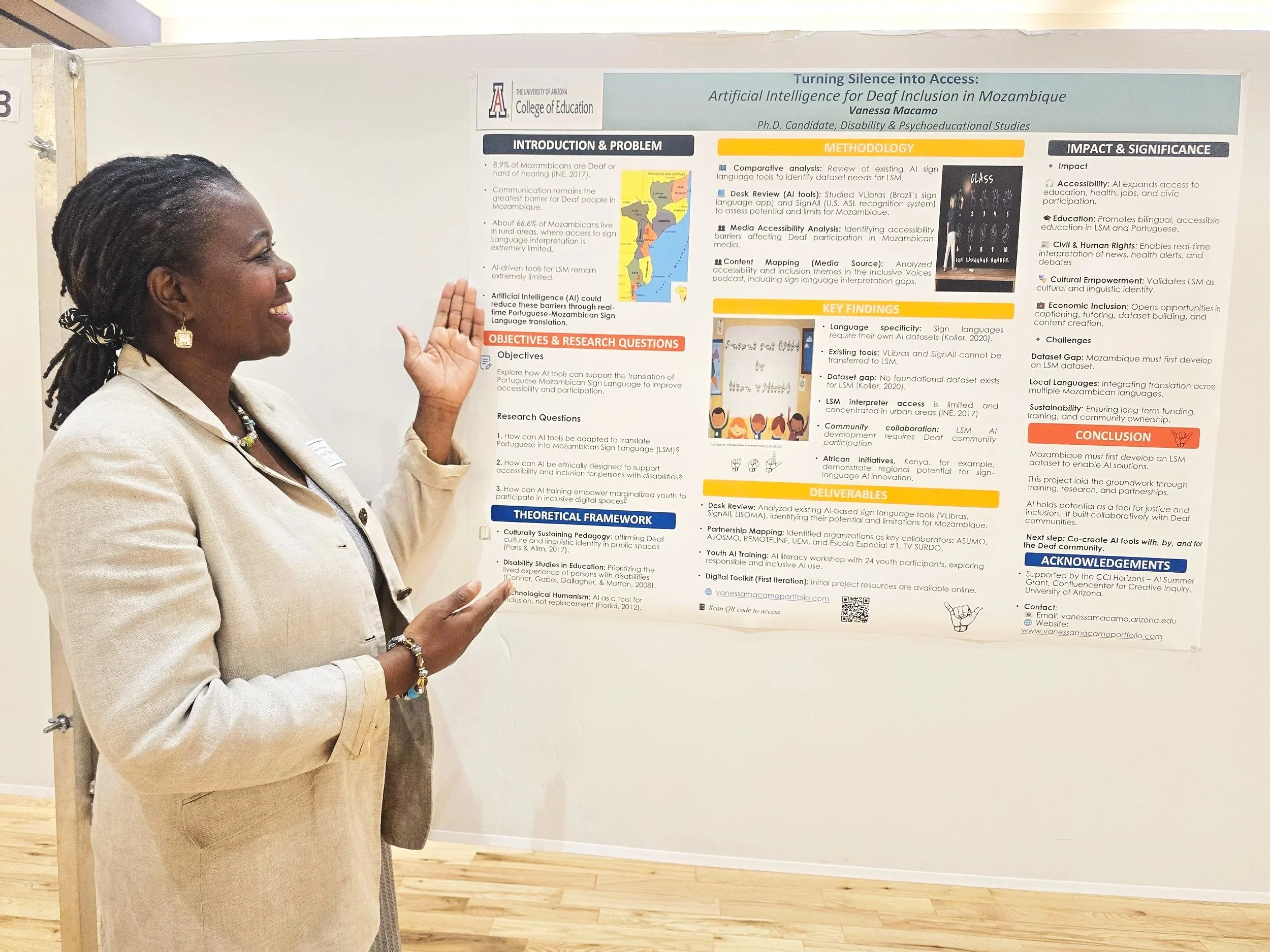
Vanessa Macamo, from Mozambique, is an educator and an advocate for inclusive education and disability rights.  She is a Fulbright doctoral candidate in special education at the University of Arizona. She was recently elected president of her university’s Graduate and Professional Student Council (GPSC) for the 2026—2027 academic year. Her current education path builds upon the master’s in law degree (in international and comparative disability saw policy) she earned from the National University of Ireland, Galway.

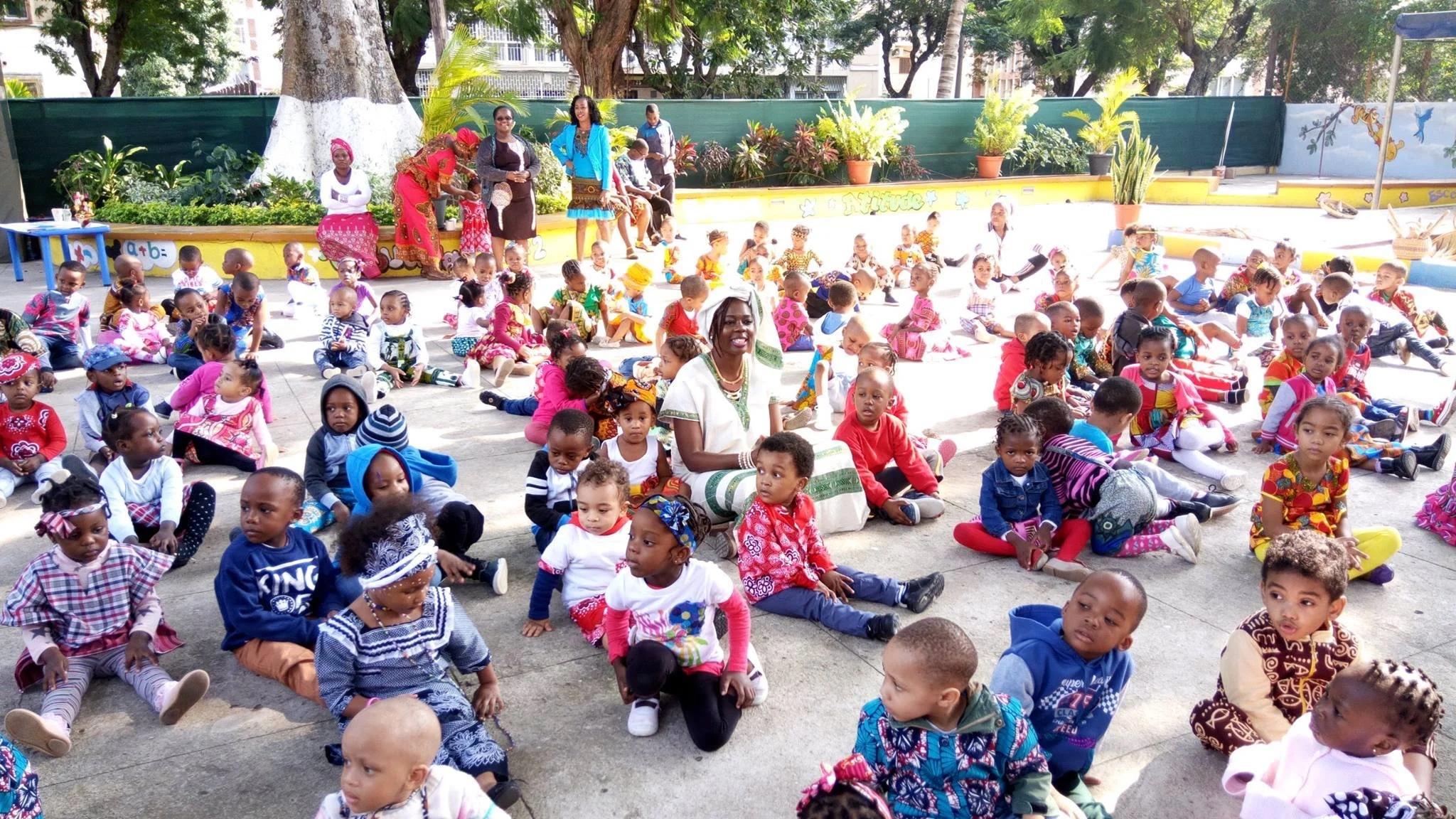
Vanessa has over 20 years of professional experience working with women, children, and youth. The common thread across much of her work experience is a drive to include and empower marginalized communities through education and advocacy. She embraces technology as a tool to reach her audiences. She hosts a podcast (Inclusive Voices in Action) and developed an inclusive early childhood education platform that combines classroom teaching, media, and community advocacy. She created a television/YouTube program (O Cantinho da Sissi) aimed at youth that addresses topics such as disability rights, educational access, scholarship opportunities, and leadership development. The program is broadcast with live sign language interpretation. 

Vanessa describes herself as a change maker, not just a dreamer. She plans to return to Mozambique and continue educating and advocating for marginalized communities, focusing on inclusive education and leadership development. Her efforts aim to translate theory and policy related to inclusive education into practice at the local and national levels. Although focused on Mozambique and the Global South, her vision includes the possibility of expanding the initiatives globally.

Thi Vui Nguyen

In her own words

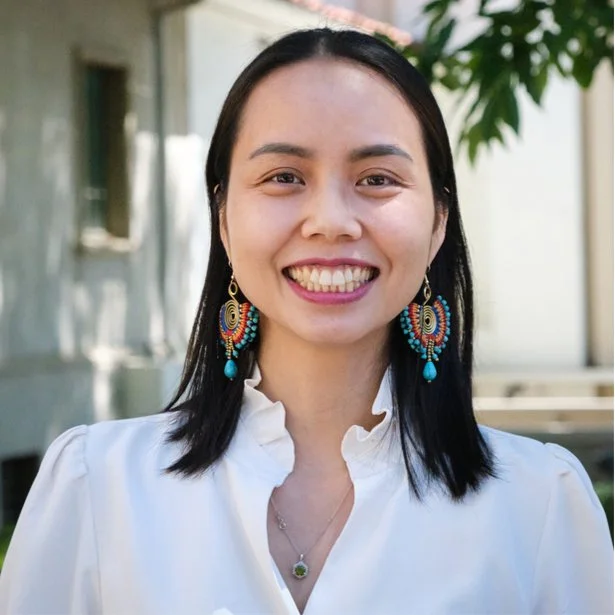
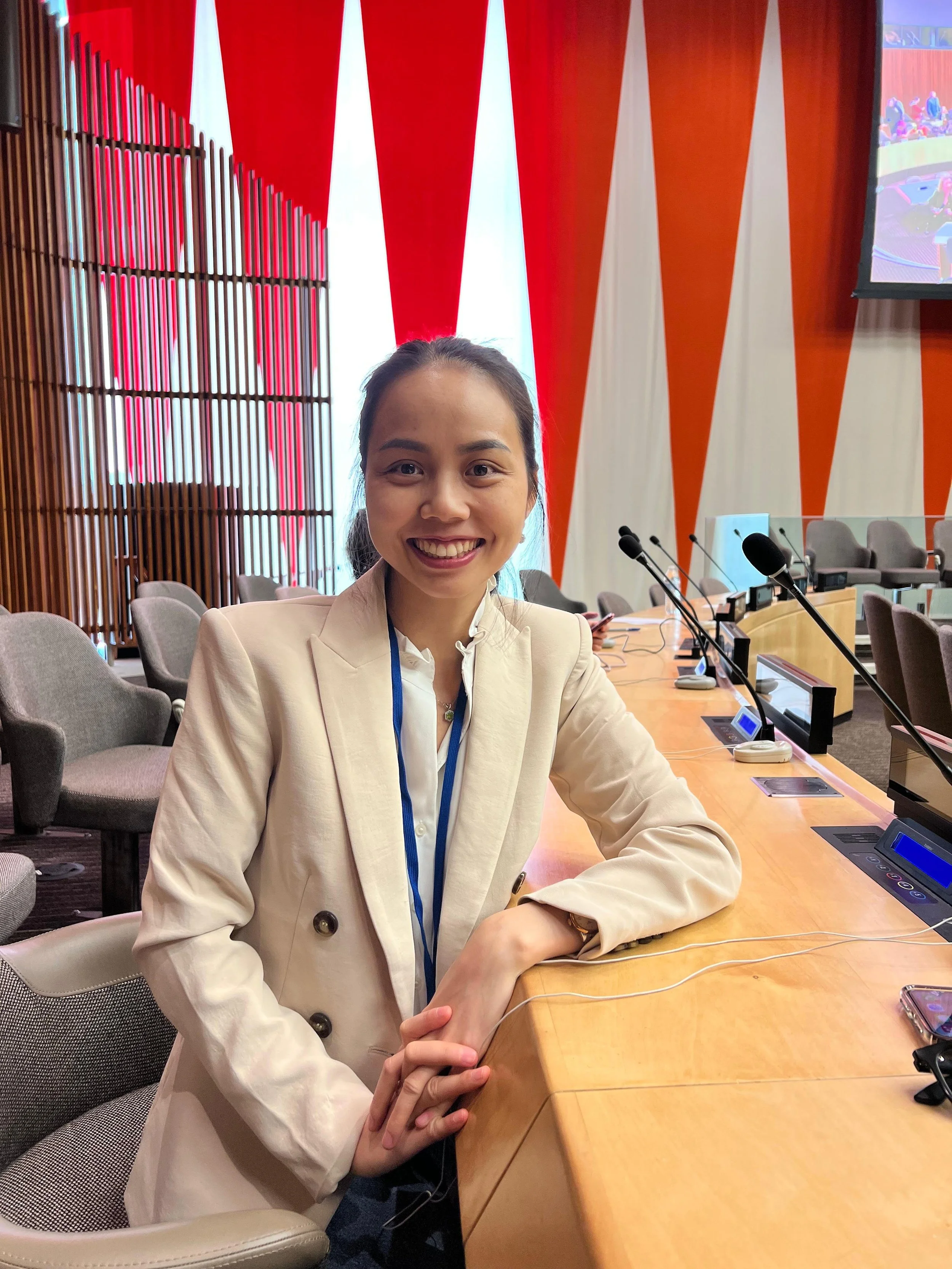
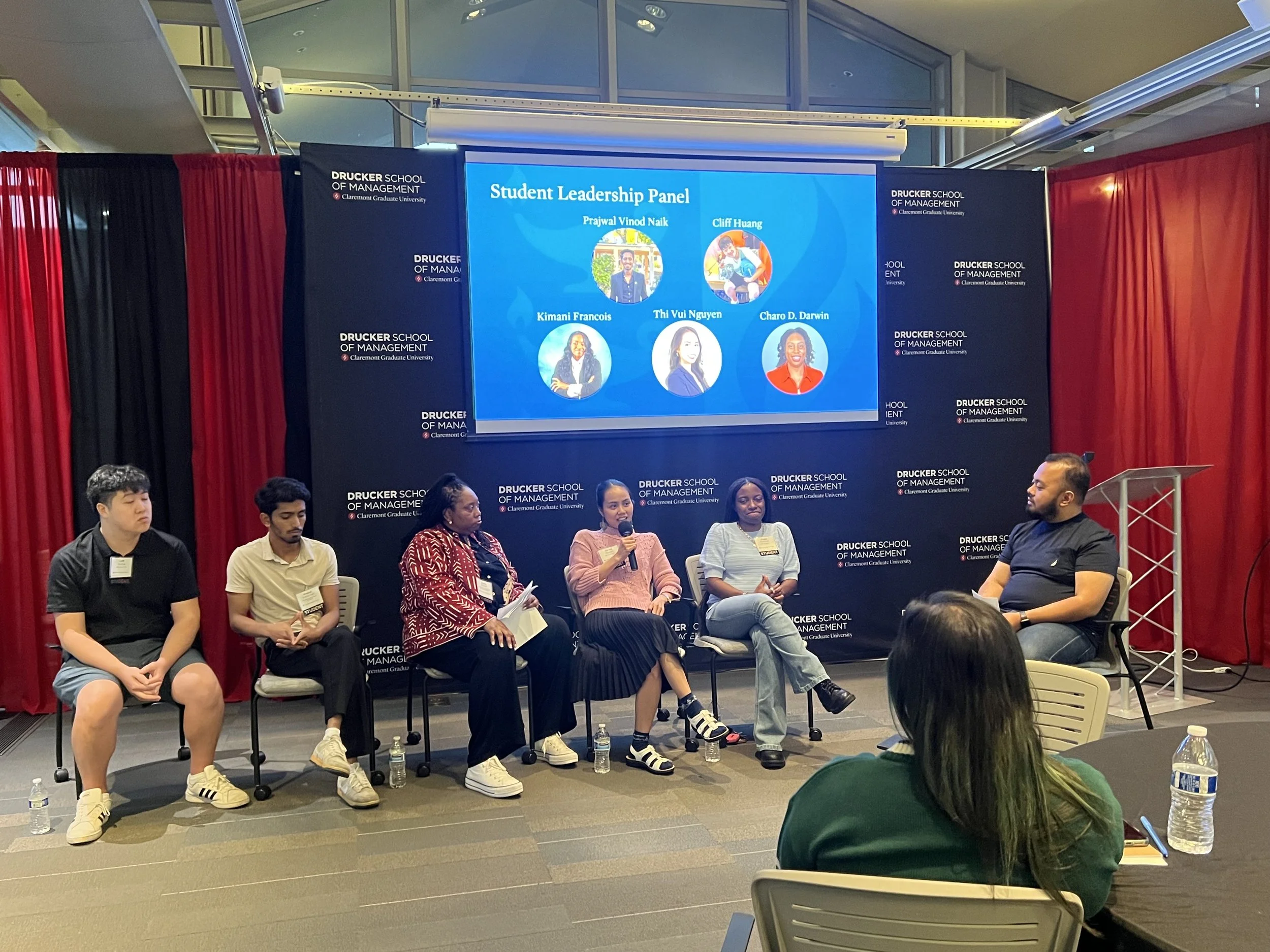
Thi Vui Nguyen, from Vietnam, is a PhD student in organizational behavior at Claremont Graduate University (CGU). Her doctoral research, Breaking the Silence: Cultural Barriers to Women’s Empowerment in Vietnam, investigates how cultural norms and organizational structures influence women’s voice, well-being, and leadership trajectories. An educator and advocate, Thi Vui serves as a delegate to the United Nations Commission on the Status of Women and is an active conference presenter of the International Vietnamese Mental Health Association, advancing women’s leadership and well-being.

Thi Vui holds an MBA from California State University, Fullerton, and degrees in economics and finance from Hanoi University of Business and Technology.

Beyond her research, she is the founder of two organizations: Vui Nguyen Consulting, a platform for mentoring women to pursue higher education; and Vui Nguyen Free English, to teach English to women and girls in her community so that they can further their language skills. Currently a teaching and graduate assistant at CGU, she is dedicated to a career that bridges academic research with actionable leadership development to improve outcomes for families in developing nations. 

Thi Vui’s short-term career goal is to deepen her academic training by reconnecting with her home community and establishing connections with universities and government agencies. Long-term, she will work as an educator, including teaching and designing curricula; acting as a bridge between nonprofits, government, and academia; and using her platform to advocate for marginalized girls and demonstrate that education is a tool for social change.

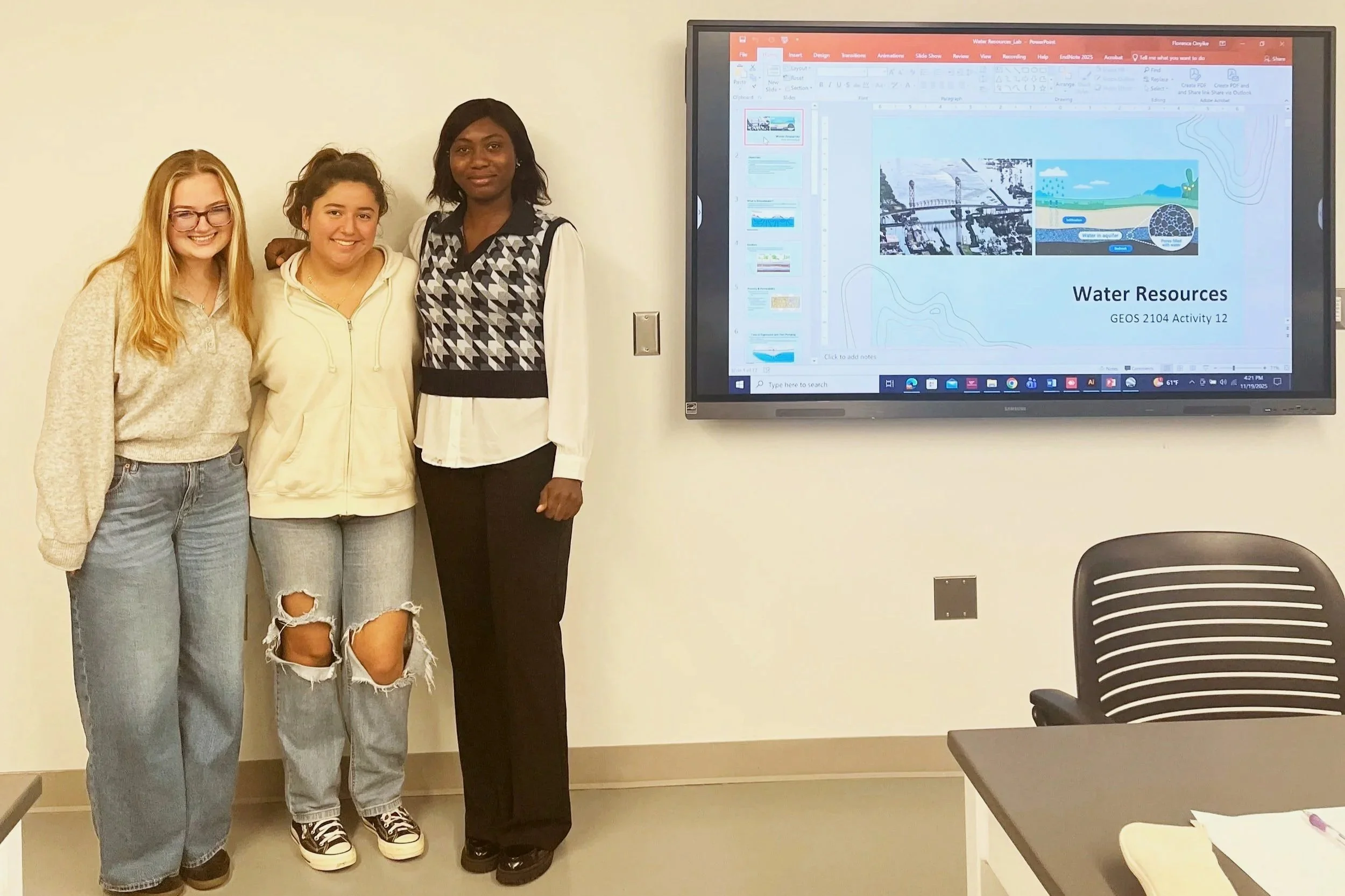
Florence Onyike

In her own words

Florence Onyike, from Nigeria, is pursuing a doctoral degree in geosciences at Virginia Tech. As a researcher, she has a strong interest in sustainable water management, particularly using nature-based solutions to address water scarcity, strengthen climate resilience, and improve outcomes for women and children. 

Her academic training integrates statistics and geosciences to address water insecurity and land subsidence using Managed Aquifer Recharge (MAR), a nature-based approach to groundwater sustainability. As a graduate research and teaching assistant at Virginia Tech, she designs and conducts research on groundwater sustainability and MAR systems, teaches undergraduate courses and prepares scientific publications. Previously, she worked as an environmental analyst with the Lagos State Environmental Protection Department, analyzing flood trends and supporting environmental planning. 

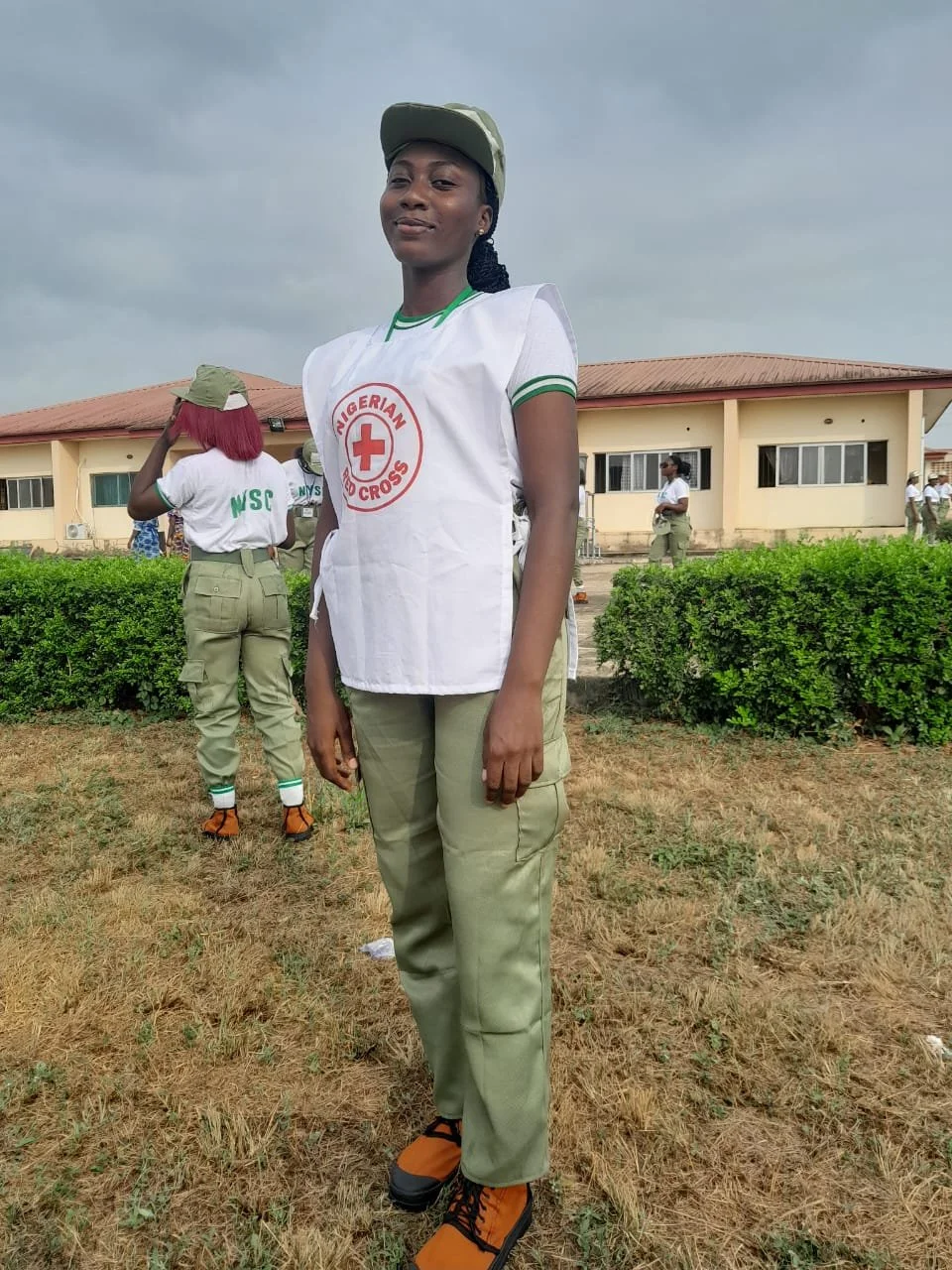
Florence has extensive volunteer experience with women and children. She mentors middle school girls through Letters to a Pre-Scientist and volunteers and serves as an exhibitor at the Virginia Tech Science Festival, designing and presenting hands-on STEM demonstrations for children in the community. In Nigeria, she volunteered with the Nigerian Red Cross Society, supporting disaster response and child vaccination campaigns. She has also participated in NGOs including The Female Media Network and Afro-Tech Girls, which have benefited numerous young women and equipped them with digital and analytical skills.

In the long term, Florence aims to become a hydrologist, leading research on groundwater sustainability and pioneering innovative MAR-based solutions for underserved communities in Nigeria and beyond, while advancing equitable water access and expanding opportunities for women in STEM.

Etsehiwot Yisak

In her own words

Etsehiwot Yisak, from Ethiopia, is pursuing a master of public health in global health at Washington University in St. Louis. Her work focuses on maternal and child health, health equity, health systems strengthening, health policy, and women’s leadership. She is currently part of a team building a global web-based pediatric cancer survivorship guideline platform through the Health Design & Impact Lab at WashU, in collaboration with St. Jude Children’s Research Hospital’s ARIA survivorship initiative. The project aims to create accessible, evidence-based survivorship guidance that can support healthcare providers globally.

Etsehiwot  earned her medical degree and initially planned to become a pediatric surgeon, but her clinical experiences revealed that many childhood illnesses are preventable and rooted in broader systemic challenges. This realization shifted her focus from clinical practice toward improving health systems, prevention efforts, and public health leadership. As an Olin Business School Board Fellow at WashU, she is also gaining experience in nonprofit governance and resource management.

She co-founded ET Health Alley Consultancy, which addresses health literacy gaps through culturally relevant storytelling and media-driven awareness. The consultancy works to make health information more accessible, particularly in maternal and child health, HIV awareness, and neural tube defect prevention through folic acid fortification.

After completing her studies, Etsehiwot plans to return to Ethiopia to contribute to health policy and systems reform that integrates community voices into sustainable healthcare solutions. Her goal is to ensure women’s real-life experiences are included in high-level government decisions and to become a policymaker advancing meaningful healthcare improvements.