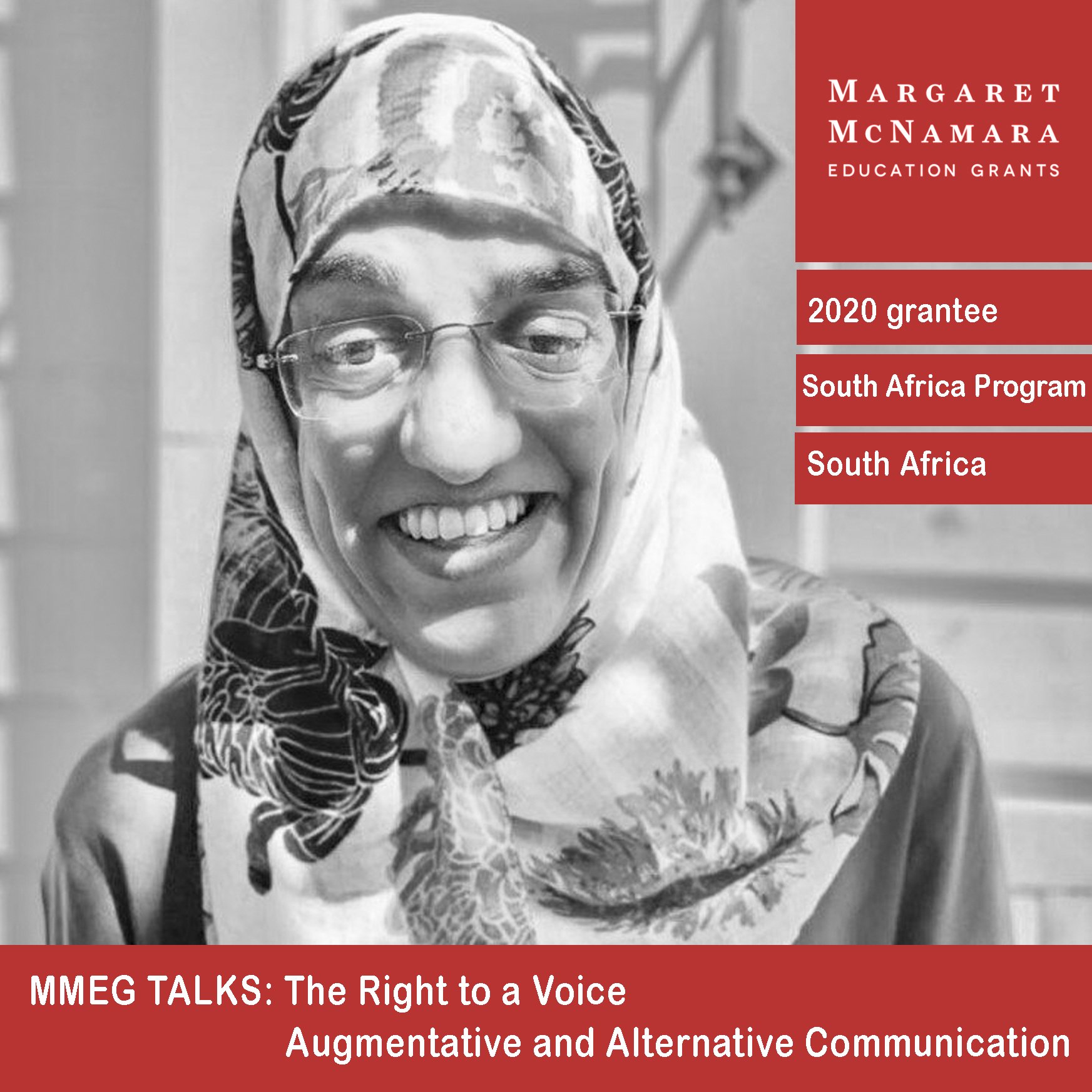
Fatima Omarjee Ebrahim

Fatima Ebrahim is a 2020 South Africa Program grantee. She is pursuing a master’s degree in occupational therapy at the University of Cape Town. Faatima Ebrahim is South African clinical occupational therapist with 20 years’ experience serving the disabled community primarily in pediatric practice, and in a public health managerial capacity. Having a special needs child opened her eyes to the heavy burden on - almost exclusively female – caregivers, and radically changed her views on the role of the therapist. Ebrahim returned to university to better equip herself to research and advocate for caregiver engagement in therapy, as well as promoting inclusive communities, where those with disabilities can integrate and thrive, in collaboration with relevant NPOs.

“I grew up in apartheid South Africa. It was only in my first year at university that I was exposed to other cultures and communities within my own country. My parenting journey of a child with special needs has been a significant influence on the way I view my work. My own lived experiences of discrimination have empowered me to own my identity, and created a yearning for me to create and build the capacity of other women and children.”

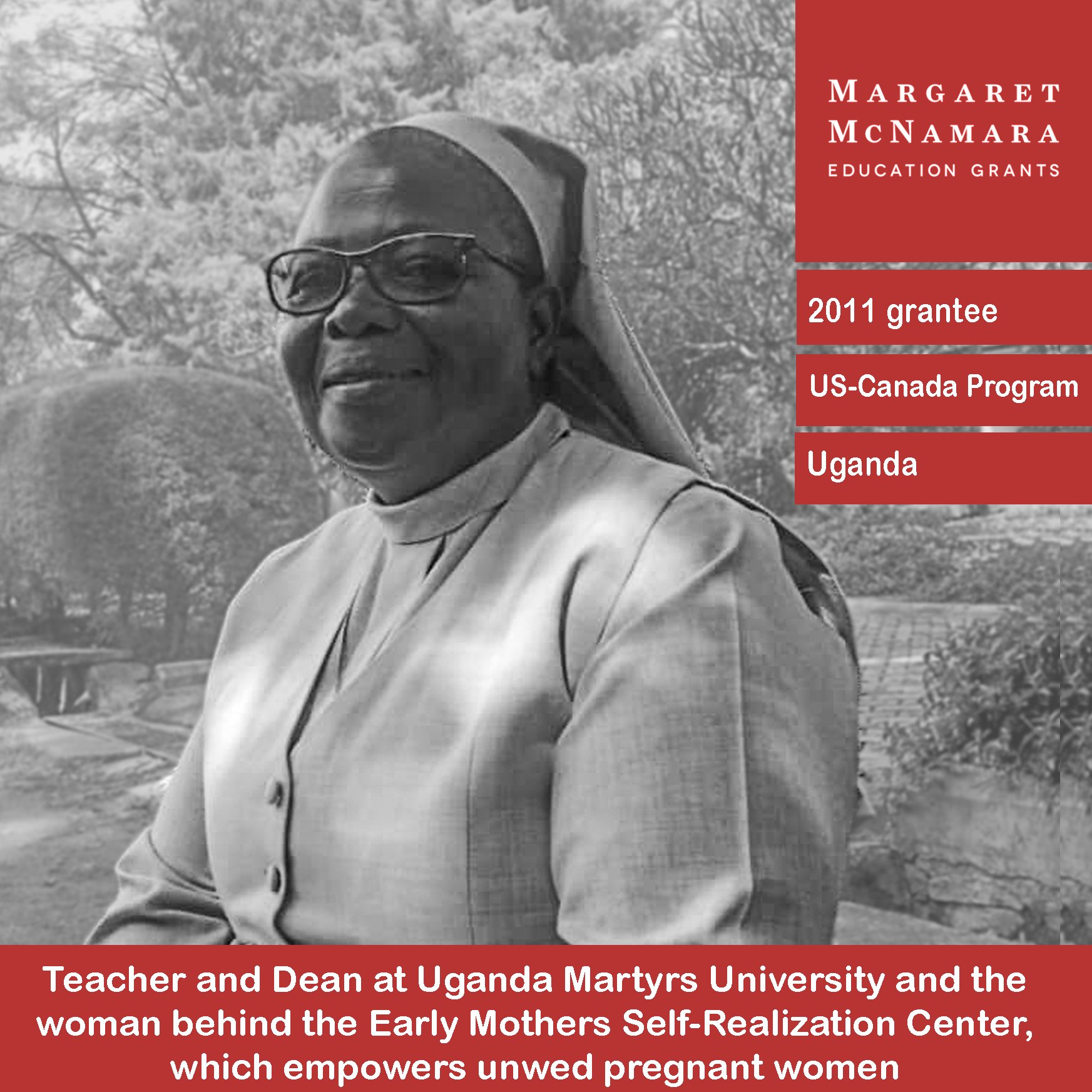
Sister Elizabeth Namazzi

Sister Elizabeth Namazzi was inspired to help ostracized unwed teenage mothers in her homeland, Uganda, after witnessing firsthand how a hopeless pregnant girl’s life was transformed with practical support. After teaching secondary school for many years, Sister Elizabeth completed a PhD in curriculum studies at the University of British Columbia (UBC), Canada, supported by a MMEG grant in 2011, and then returned to Uganda. She is now changing the lives of young people, both at the university where she works and through a center to support and empower young mothers.

While studying in Canada, Sister Elizabeth also worked to advance her ambition to help young unwed mothers. In Uganda’s conservative society, pregnant girls are often expelled from their homes and communities and left to fend for themselves. Homeless and helpless, the girls struggle to survive and too often lose their unborn babies. Sister Elizabeth’s vision was to build a center that could offer the young women a safe place to give birth, provide them and their babies with healthcare, teach them skills that promote self-reliance, and work with their families and communities to end ostracism of pregnant girls and reintegrate unwed mothers into society.

Upon graduation, Sister Elizabeth returned to Uganda Martyrs University, southwest of Kampala, where she is now Dean of the School of Postgraduate Studies and Research. As well teaching, supervising graduate research, and conducting innovative research herself, Sister Elizabeth is responsible for the School’s administration and co-ordination. She also designed the Curriculum of Educational Administration and Management program, a recent addition to the university’s offerings.

While studying at UBC, Sister Elizabeth persuaded engineering students in nearby Seattle to design the center she was dreaming of, based on her hand-drawn sketches. The prize-winning design for the Early Mothers Self-Realization Center is now becoming a reality. The center is being constructed in Sister Elizabeth’s home town with funds raised from well-wishers near and far. (Donors can contribute via https://www.gofundme.com/uganda-mothers-shelter). As of mid-2022, the first building was 80% complete and was already accommodating the urgent needs of young mothers. Once finished, the center will house a dormitory, an education center, and a medical clinic, and the girls will receive training in parenting, childcare and nutrition, and self-reliance skills. The clinic will also provide pre- and postnatal health services.

The center is eventually expected to accommodate and train up to 100 girls a year, supported by 15 staff members. In mid-2022, 18 girls and babies were housed at the Center and 26 others had been assisted with food and clothing. The center grows some of its own food, and plans to start rearing pigs and poultry and train the girls in animal farming as a potential source of income. Girls are also taught sewing skills, on donated machines.  

In her formal role as instructor and dean at Uganda Martyrs University, Sister Elizabeth saw student enrollment grow by 25% since her return in 2015 to 6,189 students in 2019. Sadly, the COVID pandemic has since caused enrollment to drop to 4,632 students, of which some 45% are women. Her own research has focused on child-led households and children’s perspectives on HIV/AIDS.

MMEG’s investment in Sister Elizabeth is having an exponential impact as she supports and empowers young unwed women while working to change community biases against them, researches a range of child-focused issues, and trains future educators.

Sandra Jatoonah

SANDRA JATOONAH, ANTI-POVERTY ADVOCATE

This is the story of a remarkable woman, Sandra Jatoonah from Mauritius, who earned a master’s degree in social development in South Africa and returned to her home country to offer social services to disadvantaged families.

With financial support from MMEG, Sandra completed a master’s degree at the University of Cape Town in 2013.  Upon graduation, she returned to Mauritius determined to make a difference in the lives of others. During her first year back home, she worked with the International Organisation for Migration (IOM) as a labour migration and client service assistant. Through IOM’s various programmes, Sandra provided support to locals who were stranded abroad, assisting their repatriation and reintegration into society after they returned to Mauritius. Many were women, some with children, who were very grateful to return with IOM support. Sandra also supported workers and their families who were leaving to work abroad, helping with applications for entry visas and training to help them adapt to life in a new country.

Sandra then worked for four and a half years at the Decentralised Cooperation Programme (DCP), funded by the European Union (EU), facilitating the distribution of EU grants to non-profit organizations and ensuring the funds were properly used to implement social development projects. Her work at the DCP gave Sandra the opportunity to monitor projects of various NGOs and non-state actors in Mauritius and its surrounding islands, while also providing training in project implementation, follow-up, and budgeting. Some of these programs were focused on women’s empowerment, assistance for people with disabilities, women’s health, agriculture, water harvesting, and education.

With this deep understanding of the landscape of social service organizations in Mauritius, in 2018 Sandra joined Lovebridge, a local non-profit that provides services to vulnerable populations and aims to reduce extreme poverty, as a senior social worker. 

Sandra now works closely with about 20, mostly female-headed, households in the most impoverished rural areas, giving them guidance to access the available social services that will support their empowerment end eventual economic independence. Her work with each family addresses six fundamental pillars: education, housing, health, employment, food & nutrition, and MASCO (motivation, attitude, skills and courage). Issues Sandra commonly faces are the lack of basic amenities (electricity, sanitation), illiteracy, the emotional and physical abuse of women and children, disabilities, health issues, and, often, the advanced ages of key household members that make finding adequate employment very difficult. Helping family members find adequate employment is a crucial service, among others, that Sandra provides.   

With its holistic and multifaceted approach to family support, Sandra believes her work with Lovebridge can make a real difference. With time and consistent support, she hopes the families under her guidance and care will graduate from Lovebridge programs and lift themselves out of extreme poverty.     

Sangeeta Chatterji

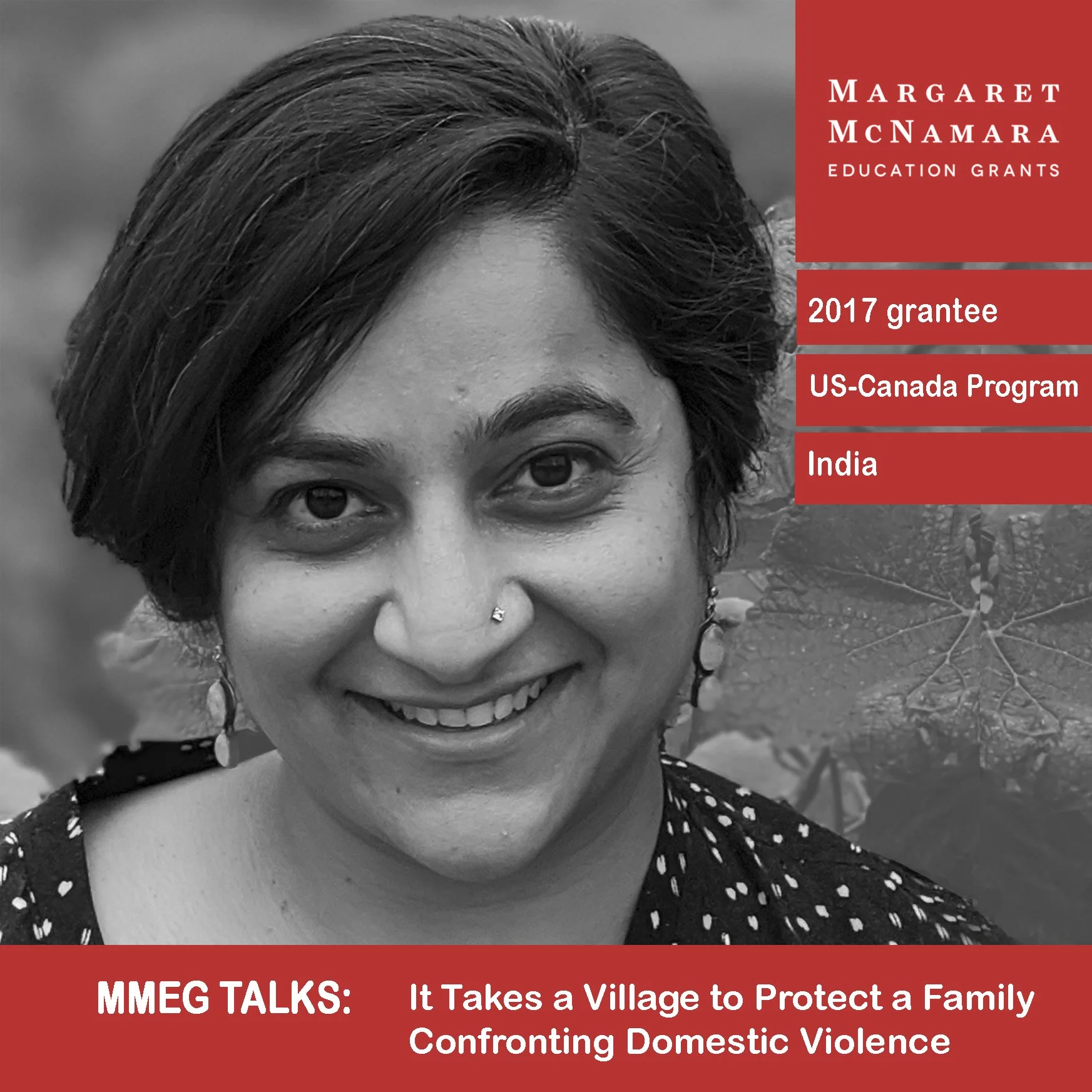
Sangeeta Chatterji’s research, practice, and teaching focus on helping women live safe, violence-free, and economically secure lives. Over the past 10 years, she has concentrated on understanding the dimensions and causes of gender-based violence (GBV) and identifying and testing interventions that can prevent it. She develops and validates novel methods to measure GBV and examines structural and economic inequalities that underlie gender inequality leading to GVB. She has extensive experience implementing GBV programs in the non-profit sector in India, as well as teaching and mentoring the next generation of social work practitioners and scholars.

Sangeeta Chatterji received her MMEG grant in 2017 while completing her PhD in social work at Rutgers University. She holds a master’s in social work from Tata Institute of Social Sciences, India and is currently a postdoctoral scholar at the University of San Diego.

Deirdre Smythe

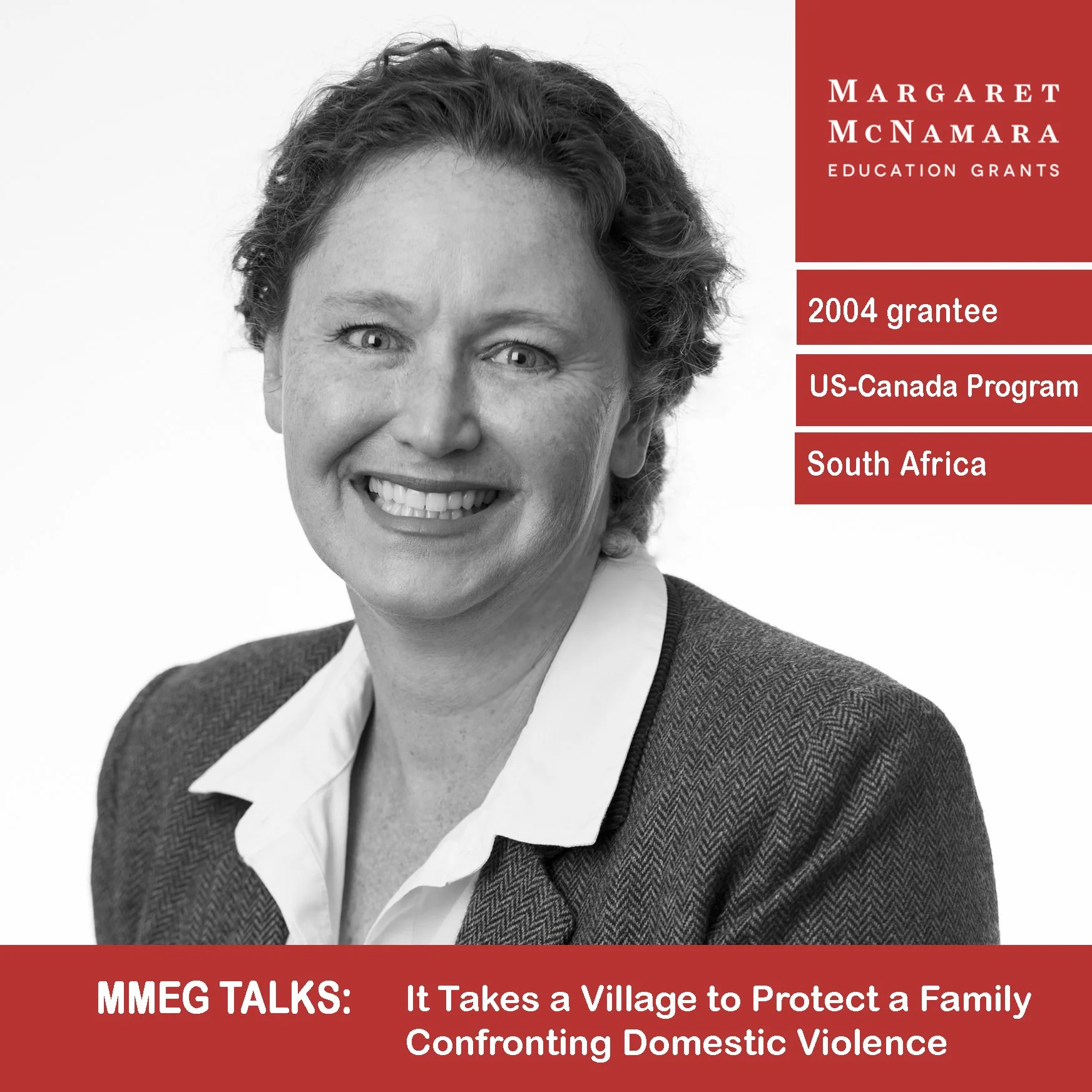
Deirdre (Dee) Smythe, a barrister with an active law practice, is passionate about access to justice and has sterling expertise in many facets of family and criminal law. She began her career as a child protection officer and children’s rights advocate, and today is renowned internationally for her expertise on sexual aggression, advising schools, universities, and civil society on protecting women and children. Her work encompasses policies and processes for dealing with these complex matters. Dee is also a professor of law and has run research units at universities in South Africa.

Dee received her MMEG grant in 2004 when she was completing her PhD at Stanford University. She earned her BA and LLB at the University of Cape Town.

Bishnu Pariyar

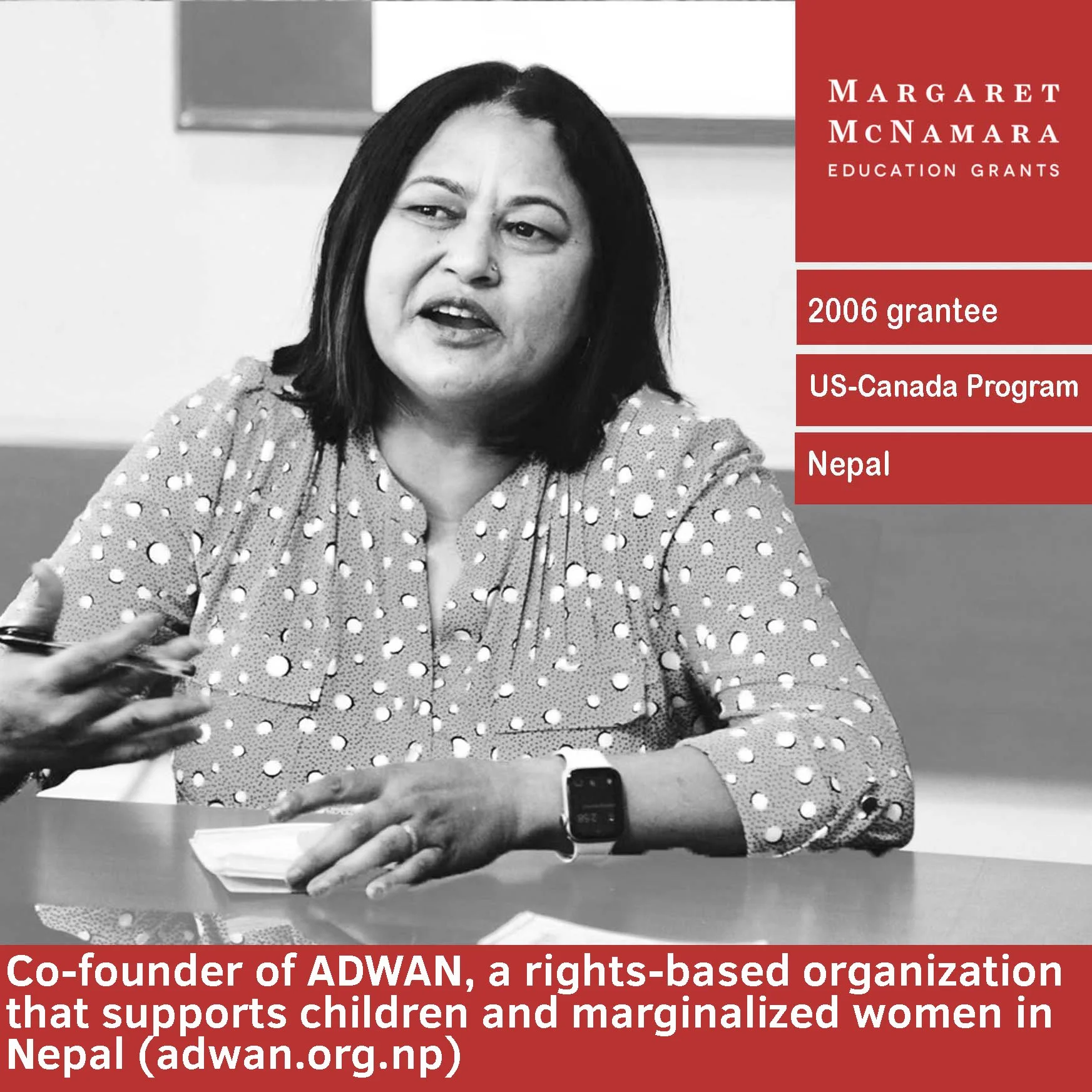
Bishnu Pariyar, from a village to academia 

Bishnu Maya Pariyar, a 2006 US-Canada MMEG grantee, tells a  remarkable story of her transition from a subsistence farming existence in a remote village in western Nepal to co-founding a rights based organization that supports children and Dalit (“untouchable” caste) and marginalized women in Nepal and working on anti-gender  violence in New Jersey. 

Bishnu was born into a poor Dalit family of 10 children whose labor was  essential for the family’s survival as subsistence farmers. 

They had no access to electricity, sanitation, healthcare, or roads, and she was shunned by other children. “Being a  Dalit girl, I experienced discrimination every day and every moment,” recalls Bishnu.  

However, with help from the US Peace Corps, Bishnu earned a BA in Nepal in social and political systems. She then  traveled to the US to study international development and social change at Clark University, Massachusette, where a MMEG  grant help her complete a master’s degree in 2007. 

Bishnu stood out to MMEG for having co-founded, at age 20, a social integration organization, Association for Dalit  Women’s Advancement of Nepal (ADWAN), to foster economic independence, boost self-esteem and dignity, and  instill solidarity among the diverse Dalit community members. ADWAN does so through three main programs— education, income generation and advocacy, and awareness—creating mixed-caste women’s solidarity groups that  became role models for rural community development and social transformation.  

ADWAN has: 

• organized 119 saving and loan groups with more than 2,200 women members; 

• helped over 1,500 high-school students with stipends, some of whom are individually sponsored by US citizens; • assisted 21 female college students via a scholarship program called the “Ambitious Girls’ Fund;”  • provided microloans to 126 women from 20 groups, now engaged in micro enterprises; and • organized 4 ongoing literacy classes and 6 pre-school classes.  

Under Bishnu’s leadership, ADWAN has supported more than 60,000 Dalit and marginalized women and their family  members in Nepal, covering over 390 groups, 35 schools, 25,000 students, and 35,000 family members. Caste and  gender discrimination and domestic violence have dropped. All Dalit children belonging to women’s groups attend  school and their performance in school has improved. Dalit women are increasingly involved in business initiatives,  participating in community development initiatives, and involved in civic and political organizations. ADWAN has  also seen improvements in participants’ economic conditions, home environments, hygiene, mind sets, and social  awareness. 

In 2013, Bishnu was awarded an honorary Doctor of Letters by her undergrad alma mater, Pine Manor College, MA,  for her pioneering social contributions. She now works in New Jersey as a case manager for survivors of domestic  and sexual violence, while continuing to fundraise for and promote ADWAN’s mission. She has helped hundreds of  South Asian American domestic and sexual violence victims, and has given cultural sensitivity training to local  officials, police, and law enforcement officers in Boston, MA, and Jersey City, NJ. 

MMEG is proud of having identified Bishnu as an extraordinary woman and of supporting her to change the lives of  women and children.  

Source pages: 

https://www.adwan.org/founding-president--dr-bishnu-m-pariyar 

https://clarknow.clarku.edu/2022/02/15/clark-alumna-confronts-gender-and-caste-based-disc

Silvana Andrea del Valle Bustos

Silvana Andrea del Valle Bustos, a lawyer, is a member of the National Coordination of the Chilean Network against Violence against Women and director of the Law School of the University Academy of Christian Humanism. She has written and spoken out with intensity about the deficiencies in Chilean law that fail to protect women from domestic harm, especially during the COVID quarantine, when such violence greatly increased.

She received her MMEG grant in 2013 while completing her PhD in law at the Washington University in St. Louis.

Siglia Camargo

Siglia Camargo_insta copy.jpg

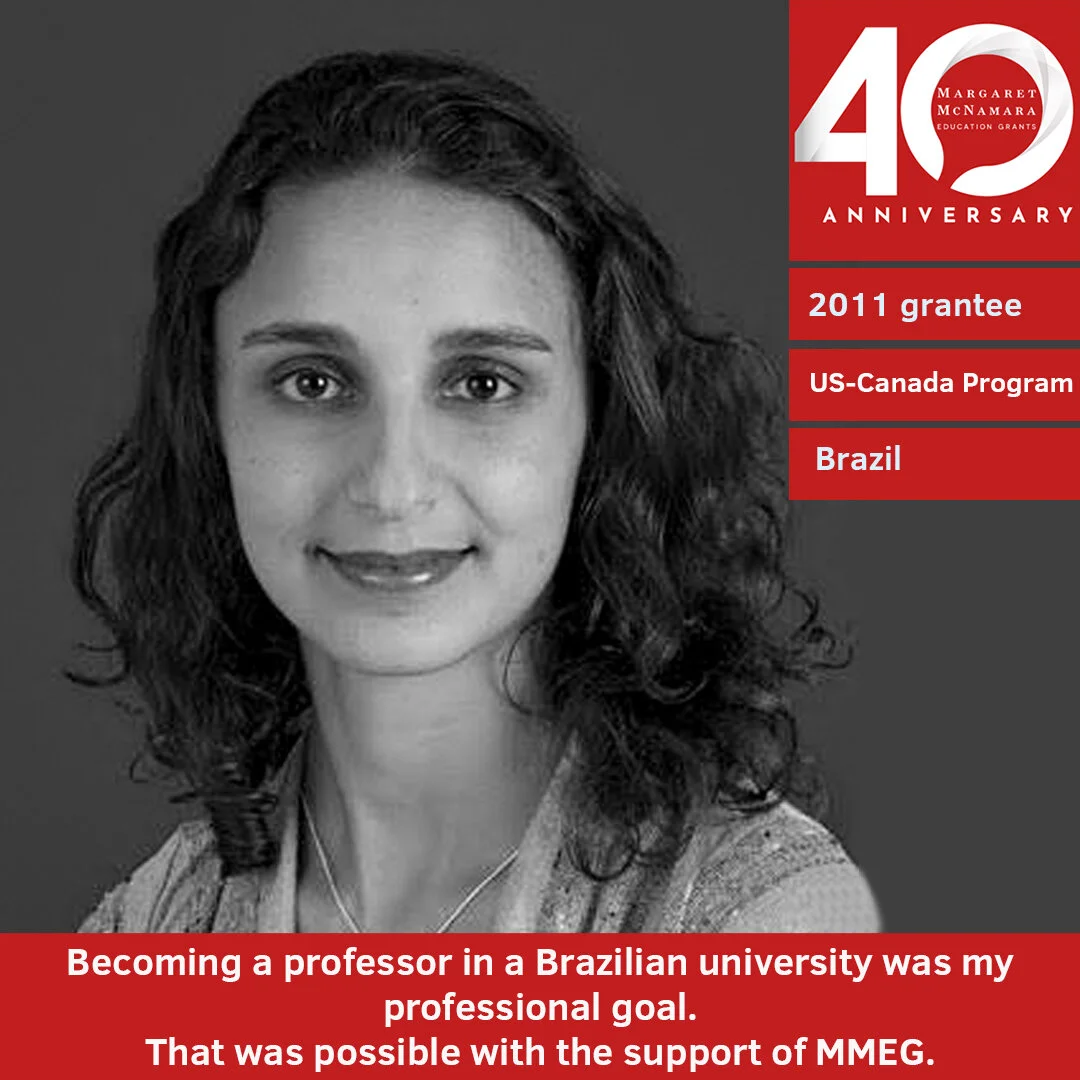
Siglia Camargo Brazil 2011 Grantee US-Canada Program PhD Special Education Texas A & M from College Station in Texas Associate Professor - Universidade Federal de Pelotas, Brazil

Siglia is an educator of elementary school teachers, furthering their  training and qualifications.

The research groups Siglia coordinates develop guides for preschool and elementary school teachers regarding best educational practices to teach students with autism within inclusive, mainstreaming settings. 

Awards:

Distinguished Honor Graduate at Texas A&M University (Fall 2012)

Examples of her work:

CAMARGO, S.P.H.; SILVA, G. L. ; CRESPO, R. ; OLIVEIRA, C. R. ; MAGALHAES, S. L. . DESAFIOS NO PROCESSO DE ESCOLARIZAÇÃO DE CRIANÇAS COM AUTISMO NO CONTEXTO INCLUSIVO: DIRETRIZES PARA FORMAÇÃO CONTINUADA NA PERSPECTIVA DOS PROFESSORES. EDUCAÇÃO EM REVISTA (ONLINE), v. 36, p. 1-22, 2020.

LEAO, A. T. ; CAMARGO, S. P. H. ; FRISON, L. M. B. . Communication of students with ASD: A self-regulation of learning based intervention. Psicologia. Teoria e Prática, v. 21, p. 473-500, 2019.

CAMARGO, S. P. H.; RISPOLI, MANDY ; GANZ, J. B. ; HONG, E. ; DAVIS, H. S. ; Mason, R. Behaviorally-based interventions for teaching social interaction skills to children with ASD in inclusive settings: A meta-analysis. Journal of Behavioral Education, v. 25, p. 223-248, 2016.

CAMARGO, S.P.H.; RISPOLI, M. ; GANZ, J. B. ; HONG, E. ; DAVIS, H. ; Mason, R. . A review of the quality of behaviorally-based intervention research to improve social interaction skills of children with ASD in inclusive settings. Journal of Autism and Developmental Disorders, v. 44, p. 2096-2116, 2014.

RISPOLI, M. ; CAMARGO, S. P. ; Machalicek, W. ; LANG, R. ; SIGAFOOS, J. . Functional Communication Training in the Treatment of Challenging Behavior Maintained by Access to Rituals. Journal of Applied Behavior Analysis, v. 47, p. 1-14, 2014.

CAMARGO, S. P. H.; RISPOLI, M. ; GANZ, J. B. ; HONG, E. ; DAVIS, H. ; Mason, R. . A review of the quality of behaviorally-based intervention research to improve social interaction skills of children with ASD in inclusive settings. Journal of Autism and Developmental Disorders, v. 44, p. 2096-2116, 2014.

NEELY, L. ; RISPOLI, M. ; CAMARGO, S. P. ; DAVIS, H. ; BOLES, M. . The effect of instructional use of an iPad® on challenging behavior and academic engagement for two students with autism. Research in Autism Spectrum Disorders, v. 7, p. 509-516, 2013.

GANZ, J. B. ; HEATH, A. K. ; LUND, E. M. ; CAMARGO, S. P. ; RISPOLI, M. J. ; BOLES, M. ; PLAISANCE, L. . Effects of Peer-Mediated Implementation of Visual Scripts in Middle School. Behavior Modification, v. 36, p. 378-398, 2012.

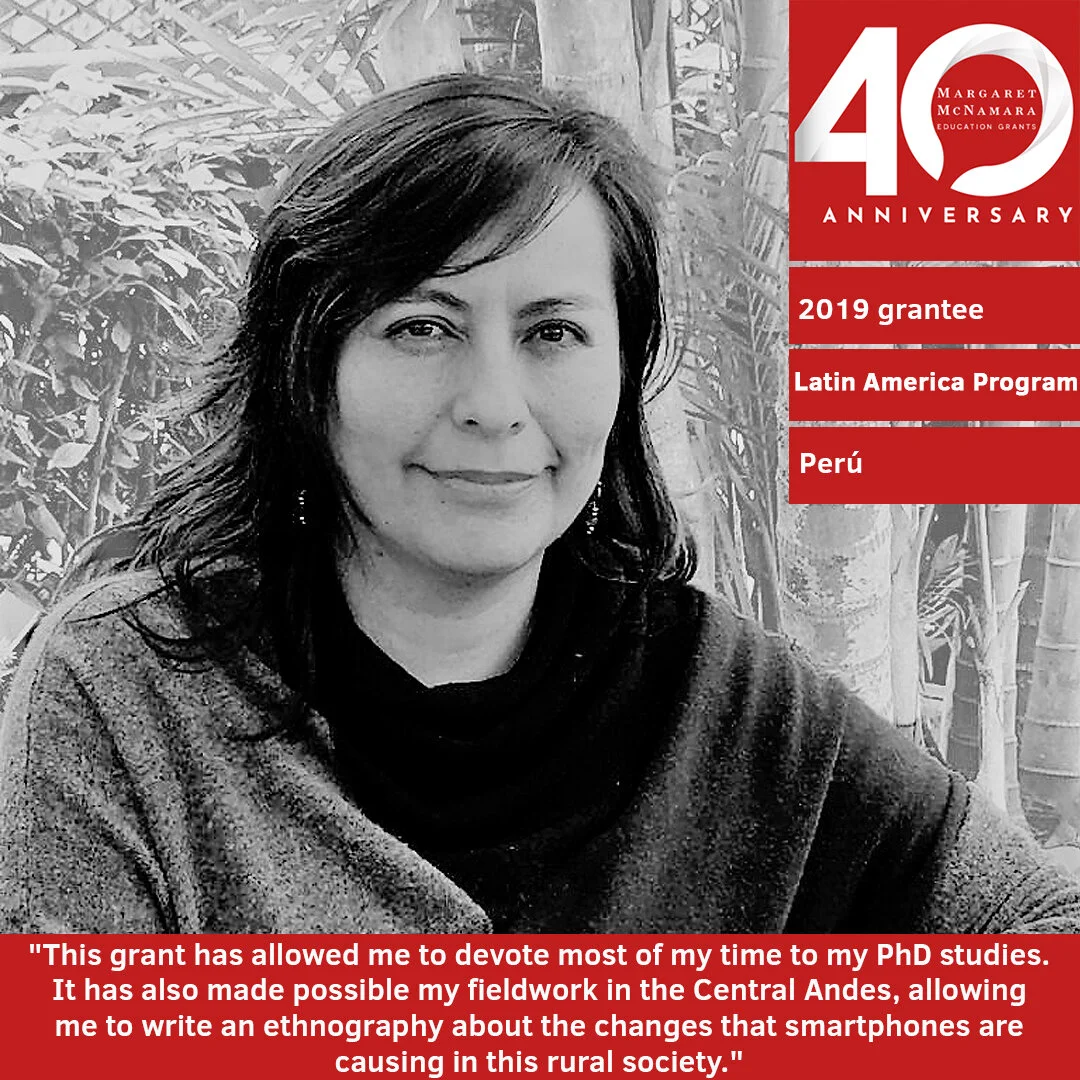
Yina Rivera Brios

Yina Rivero.jpg

Peru

2019 grantee

Master of Arts in Sociology of Education and International, Comparative and Development education from OISE at the University of Toronto

BA in Secondary Education from Pontificia Universidad Catolica del Peru (PUCP)

 Yina is part of the first generation in her family to have been born in Lima. Her grandmother taught in a rural school in Sierra Ancash and her mother taught at a public school. After getting her BA in secondary education from PUCP, she taught Spanish at schools in Peru and Holy Cross College in Massachusetts, through a Fulbright Teacher Exchange Scholarship. In her pursuit to teach Spanish at Peruvian rural schools with an intercultural focus, she completed a master’s degree in education at the University of Toronto, thanks to a Rotary International scholarship. Her thesis presented the emergence of the Cajamarca Quechua Academy (Peru) and the path that the regional community members had to take in order to lead the institution, as well as their strategies to teach Quechua as a political act.

Back in Peru, Yina ventured into the field of educational policy, working as an advisor for the National Council of Education, where she promoted an inter-institutional project for the formulation of national criteria for proficient teacher performance, as well as the design and implementation of a biannual national teacher survey. At the same time, she worked as a consultant for the Social Responsibility area of Pepsi & Co, designing and implementing a project to create a school system in an agricultural area in the Central Andes, where the public educational system had no coverage. Upon the project’s completion, she has continued working with the families and the school of Pichipampa up to now.

Currently, she is about to obtain a PhD in anthropology of education from the Andean Studies Program at PUCP, she works as a consultant for the Peruvian Ministry of Education and Unesco, and coordinates the implementation of a project on democracy, philosophy and education with teachers and children from a network of single-teacher rural schools, to which Pichipampa belongs. The latter has been made possible by the Federal Assistance Awards for Community Development Projects funded by the U.S. Embassy and Department of State.

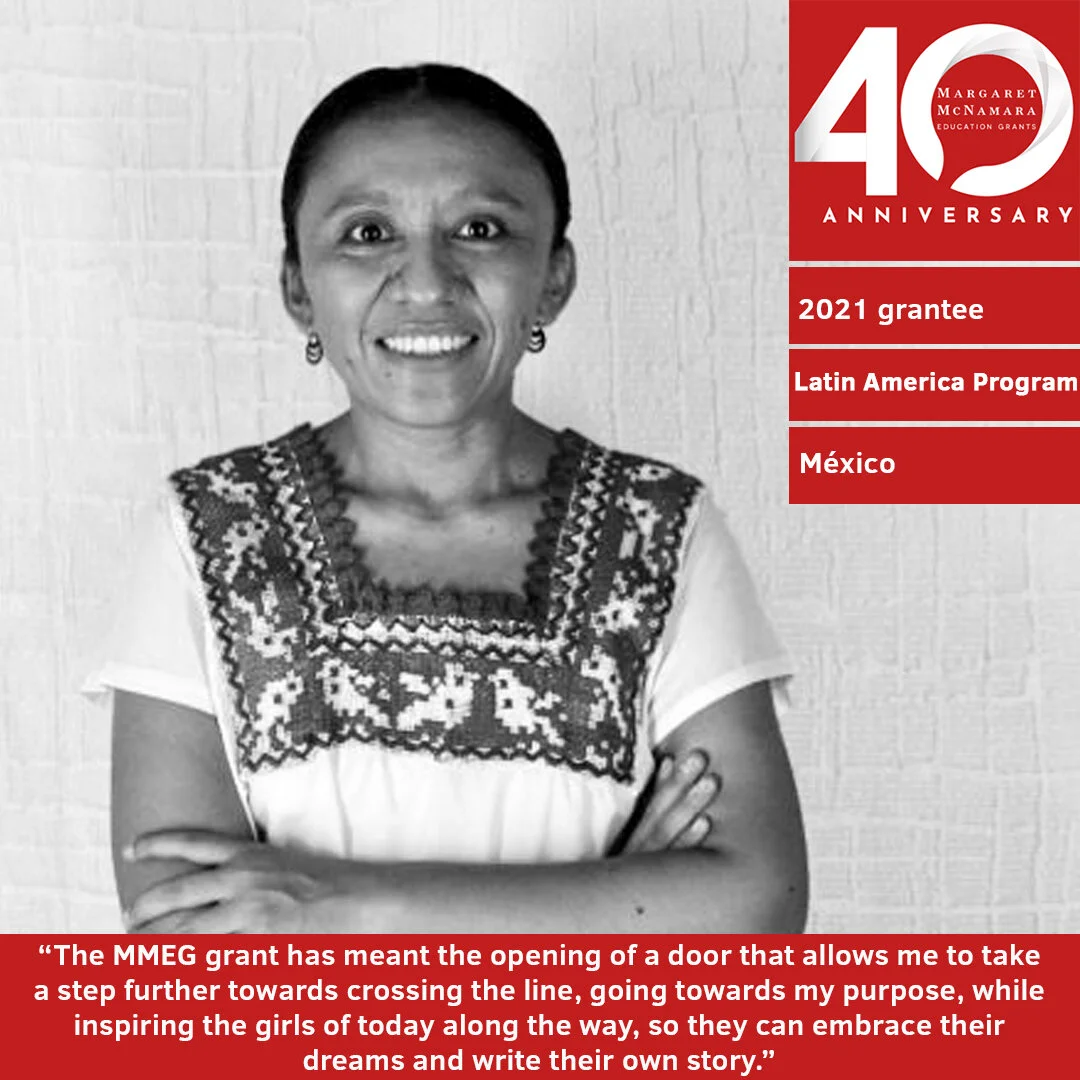
Bertha Maribel Pech Polanco

Bertha Pech.jpg

Mexico

2021 Grantee -Latin America and Caribbean Program

PhD in Education

MA in Pedagogy, Education and Cultural Diversity from Universidad Nacional Autónoma de México (UNAM)

BA in Education, Secondary Schools from Universidad Autónoma de Yucatán (UAY)

BA in Pedagogy, Education and Cultural Diversity from Universidad Pedagógica Nacional (UPN)


Born in Maxcanu, Yucatán, Bertha migrated to Merida, the state capital, to study and work. She began teaching and doing research in 2010 at the UPN. She was a technical assistant at the Gender Program of the Universidad Iberoamericana, which joined the “He for She” campaign of the UN. She taught at the Instituto Superior Intercultural Ayuuk – ISIA (part of the Jesuit University System), Universidad del Claustro de Sor Juana, and UNAM.

Bertha has been working for the inclusion and independence of Maya women and children through her intensive social work and in her role as an educator. She believes that there is a lot to be done to promote education in indigenous communities, especially for women, and has focused on helping minorities to be better received in the academic environment and on avoiding the exclusion and fear that she, like many other indigenous children, suffered while being at school.

She has participated in several rural and indigenous education research projects at the Universidad Iberoamericana and the Universidad Autonoma de Yucatan. She is a promoter not only of indigenous students of higher education, but of indigenous teachers and researchers to bring about greater diversity and inclusion, as well as a broader cultural outlook and ways of learning.

Bertha has an impressive history of community work; she is a former fellow with the Ford Foundation International Fellowship Program, she has participated in the Interdisciplinary Network of Researchers of Indian Peoples of Mexico, the Activists Network for Indigenous Languages of Latin America (within Global Voices), the Indigenous Leaders of the World Network, and the Initiative for the Eradication of Racism in Higher Education, within the UNESCO ESIAL Chair in “Higher Education and Indigenous and Afro-descendant peoples in Latin America.” She was the coordinator for the “Southern Yucatan Maya Women’s Political Promotion and Participation” project with Ecomunnis A.C. She has authored many articles published in academic journals and books.

Her thesis, “Educational Experiences of Maya Women from Yucatan with PhD’s, and Identity Reconfiguration Processes,” presents the effects that higher education has on the way that Maya women rethink their leadership roles at community, national and international levels, on their decision making, and on the reconstruction and representation of their identities as migrant Maya women with PhD’s.

 “To demand the right to education is to place myself in the principles of social justice, a dignified life and respect for our native languages, which continues to be a struggle for indigenous and Afro- Mexican people, in the workplaces and at schools.”   


Marleen Ivón Haboud

Marleen Ivón Habaud.jpg

Marleen Ivón Haboud Ecuador 1993 Grantee US-Canada Program 1996 PhD in Linguistics/Sociolinguistics from University of Oregon PhD Professor/Researcher (Linguistics School) from Pontifical Catholic University of Ecuador 2016 Postdoctoral in Contact Linguistics and Indigenous Languages from Universidad Autónoma de Madrid, Spain 2016 Postdoctoral in Highland Ecuadorian Spanish from U of Illinois (Urbana-Champaign)

Founder of the community based Interdisciplinary Research Program Oralidad Modernidad devoted to documenting and revitalizing Indigenous Languages So far, we have worked with 775 indigenous communities en Ecuador (oralidadmodernidad.org).

Founder of the Diversity in Contact International Conferences and publication series. https://oralidadmodernidad.org/iii-simposio-internacional-desafios-en-la-diversidad/

1993 grantee (US-Canada Program)

1996 PhD in Linguistics/Sociolinguistics by the University of Oregon.

2016 Postdoctoral in Contact Linguistics and Indigenous Languages. Universidad Autónoma de Madrid, Spain (February to May).

2016 Postdoctoral in Highland Ecuadorian Spanish. U of Illinois (Urbana-Champaign) (July to November).

Ecuadorian representative to International Conferences about Indigenous Languages and Endangered Languages in Asia, Africa, Europe, Canada, North, Central and South America. 

External adviser for UNESCO and UNICEF regarding endangered languages and intercultural issues.

Awards:

- Georg Forster World Research Award, 2019 (First Ecuadorian receiving this World Award)
- International PUCE Award, 2019 and 2020
- Member of Academia de la Lengua Española (Ecuadorian chapter), 2019
- Nominated to the 2018 National Scientific Award "Eugenio Espejo"(Ecuador)
- Fulbright Visiting International Professor Award, 2014
- Life Honorary Member Foundation for Endangered Languages (UK)- Life Honorary Member  LAINAC Global Scholars, Tokyo University (2018).

Publications:  more than 60 publications (See https://es.wikipedia.org/wiki/Marleen_Haboud)


Natalia Lobo-Guerrero

Natalia Lobo-Guerrero Colombia 2012 Grantee US - Canada Program Master’s in Professional Studies in Creative Arts Therapy and Creativity Development from Pratt Institute BA in Fine Arts from Universidad de los Andes, Bogotá

Thesis: “How can Art Therapy aid displaced women diagnosed with Post Traumatic Stress Disorder (PTSD)?”
Natalia earned her Masters at Pratt Institute in New York City. Over the past 10 years she has provided individual, group and family Art Therapy in a variety of settings around the world. She worked at the NYU hospital in New York with children and families, in The Pacific Links Foundation in Sapa, Vietnam, with human trafficking survivors, and with international schools and NGOs in Southeast Asia and Latin America. Natalia currently runs a private practice in Bali where she sees clients from the local and expat communities and offers introductory workshops on Art Therapy.

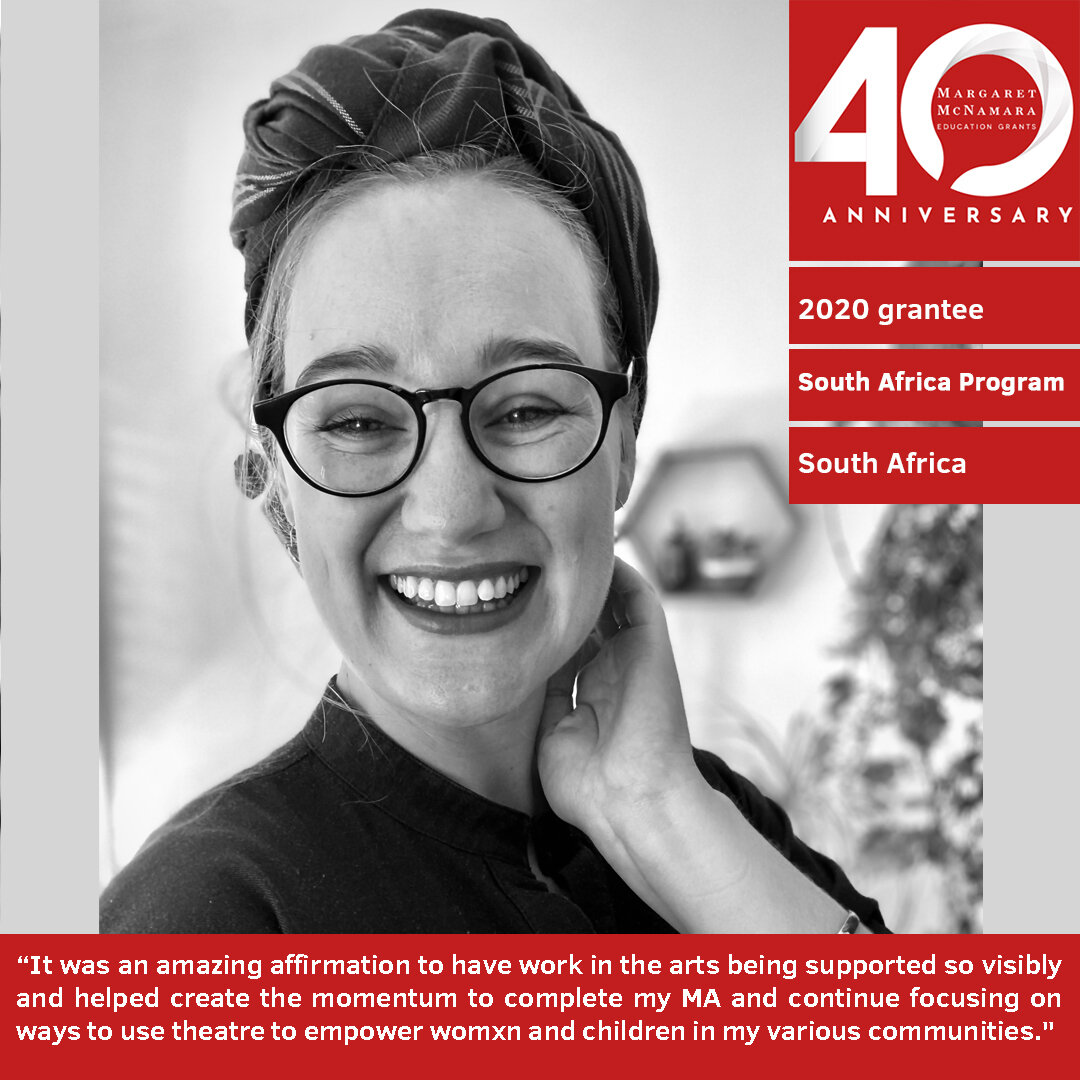
Joanna Glanville - Shein

Joanna Glanville - Shein.jpg

Joanna Glanville - Shein South Africa 2020 Grantee  South African Program Master’s in Theatre and Performance from University of Cape Town Bachelor’s in Theatre and Film from University of Witwatersrand

Thesis: “Scenography as a methodology for creative facilitation”

Jo Glanville - Shein is an interdisciplinary artist, researcher and lecturer exploring applications of creativity, design and scenography to various problems. This includes collaboratively designing and building a park for children at the Johannesburg Autism School, designing an organic waste management system as part of a research initiative for the South African government, and starting a production company to facilitate womxn students participating in the theatre industry. She is currently a Visual Studies lecturer at Red & Yellow Creative School of Business in Cape Town. 

She received support from MMEG for a Master’s degree in Theatre and Performance at UCT in South Africa. Her area of research is scenography as methodology for devising and facilitation in theatre-making.

Her research explores the importance of recovering, exploring and healing from trauma through theatre, but acknowledges the potential re-traumatising of a person by using the body as the primary site of theatre-making. This is particularly pertinent for bodies inscribed with the traumas of sexual, emotional, psychological and physical abuse - all of which disproportionally affect womxn.  

Her final work, the things that were passed down, created during COVID, explored a legacy of abuse in her family using scenographic interventions to create a film that was described by the examiner as, "deeply embodied, sensitively wrought, restrained and accessed in a way that appears to be “safe”. 

Her Master’s research established and refined alternative practises for devising - ones that focused on a practise of care and acknowledging the traumatised self. This year, the ongoing project looks to find application in facilitation with the aim of constructing safe spaces in theatre practise, particularly for women, using the methodology developed. 


Andrea del Pilar Restrepo

Andrea del Pilar Restrepo.jpg

Andrea del Pilar Restrepo Colombia 2018 Grantee  US-Canada Program Master’s in Arts Administration from Florida State University Bachelor’s, Master’s in Cello Performance from University of Southern Mississippi

Born in Ibagué, Colombia Andrea began her music studies in violoncello at the Tolima Conservatory of Music at the age of 10. After graduating from this conservatory, she began her undergraduate degree in 2010 and her master’s degree in 2015 at the University of Southern Mississippi. From 2011 to 2017 she was a member of many orchestras around Mississippi, Florida, and Alabama. In 2017, after moving to Florida to pursue a master’s degree in Arts Administration at Florida State University, she developed a strong interest in the creation and realization of music festivals that aimed to unite children from Colombia and musicians from around the world by utilising different genres of world music, and this is how the idea of Ocobo Music Festival and Ocobo Mundial were born. 

Currently, Ms. Restrepo holds the position of Operations Assistant, Personnel Manager and Head Librarian of the Empire State Youth Orchestra in Schenectady, NY. She is also the Co-Founder and Co-Director of Ocobo Music Festival in Ibagué.


Kefiloe Sello

Kefiloe Sello.jpg

Kefiloe Sello Lesotho 2012 Grantee  South African Program

Kefiloe is a PhD Candidate in Environmental Humanities South at the University of Cape Town. Her research focuses on water commodification and how the relationships of humans and non-human species change  as water becomes a commodity. This research addresses the devaluation of the relationship of people and water in the landscape they live in as water becomes commodified and contrasts that devaluation with the value attributed to water commodified by neoliberal economic policy. In addition to being a MMEG recipient, Kefiloe was a Wenner Gren Foundation recipient from 2016 to 2020. 

Kefiloe is passionate about women and children, especially a girl-child. Coming from a country where until recently, a woman was considered a minor, she wants to lay a foundation for women to be empowered through policy, education, and innovation. Thus, she co-founded a foundation that specifically deals with girl children in Lesotho, putting them through school and providing mentorship for them throughout their high school years. 

Kefiloe has also seen how climate change affects women more than men, and in an attempt to make better lives of women in her community, attended the United Nation University to equip herself with knowledge and better understanding of Sustainable Development Goals and the UN system. She also co-designed a course on Water and Society for the universities of Cape Town and Aarhus.


Nuning P. Hallettg

Nuning Purwaningrum Hallett .jpg

Nuning Purwaningrum Hallett Indonesia 2011 Grantee  US - Canada Program

Nuning Purwaningrum Hallett is the Vice President and Head of Retail Business at Funding Societies (Modalku)—the biggest peer-to-peer (P2P) financial technology company in Southeast Asia which works to provide underbanked workers in Indonesia with more financial access to improve their lives. 

Nuning’s higher level education and studies for a PhD in Gender Studies at SUNY Buffalo allowed her to build knowledge and empathy, the capability to see complex issues facing workers, and to find attainable solutions. Before joining Modalku, Nuning co-founded a start-up company (iCare - Sadaya) that manages employee benefits so as to allow workers to improve their lives in spite of the minimum wages they receive. The company builds partnerships with factories/company owners in order for workers to improve their skills, get better educations, and increase their financial capacities.  

Fifty-nine percent of the Indonesian population comprises elementary and middle school graduates. Only 11% of the populace consists of college graduates. Most workers in manufacturing are middle school graduates, 27 to 30 years old. At such age and with little education, most cannot pursue a higher career but must stay in assembly line work their entire lives. iCare – Sadaya connects these workers to independent education institutions which provide GED-like training and arranges to have them learn after working hours through Android applications. It also provides them with affordable instalment payments to purchase the necessary Android phones and applications. The workers eventually receive GED certificate/high school diploma equivalents and some of them continue studying in college on weekends with iCare-Sadaya providing student loans. Such educational opportunities open up future possibilities for these workers.

On the household side, women workers often finish working and come home to household chores like washing clothes by hand that takes them another 1 to 2 hours of labor. iCare - Sadaya provides the financial facilities for the women to purchase low-cost washing machines with no-interest monthly instalment payments. The company makes a profit from the margin between the principal price versus the market price. This allows the company to provide interest-free instalments.

Nuning served around 550,000 workers in these efforts before moving on to Modalku.

Beatriz Ramírez Huaroto

Beatriz Ramirez.jpg

Beatriz Ramírez Huaroto Peru 2020 Grantee  Latin America Program

Beatriz Ramírez Huaroto  is  a lawyer and a  magistrate in  Constitutional Law  who is pursuing  a doctorate  in  Law from the Pontifical Catholic  University  of Peru. Her focus in those studies is on the implementation of laws related to gender equality and violence and rethinking the concepts of family law to ensure more equitable legal decisions for men and women.  

Beatriz  currently  works  as a University Defender at the Antonio Ruiz de Montoya  University in Lima and is in charge of monitoring the implementation of  regulations against sexual harassment, an  issue she has  worked  over the years, along  with others  linked to gender equality.  In particular in her professional life in the public and private sectors, she has worked on issues around gender violence; full access to sexual and reproductive health services;  the regulation of parental responsibility; and gender gaps within the justice system.  

Kely Alfaro Montoya

Kely Alfaro Montoya .jpg

Kely Alfaro Montoya Peru 2017 Grantee  Latin America Program

Kely Alfaro Montoya  is an Economist Engineer, who specialized in economics, gender studies, and the  environment at the National University of Engineering (UNI).  She undertook her Master’s studies in both Agricultural and Environmental Economics at the Pontifical Catholic University of Chile and  Environmental Development from the Pontifical Catholic University of Peru (PUCP). She also has a Diploma in Extractive Industries, Surveillance and Sustainable Development (PUCP), as well as one in Finance (UNI) and Gender Studies.

Kely is  mother to her son, Amaru,  and a social activist working on projects related to ecofeminism and sustainable mobility.  

One of her efforts is to integrate the concepts and work themes related to gender, environment and interculturality. Thus, she has developed various efforts within activism and the development of research around it. Highlighting a study for ECLAC on water, gender and climate change (forthcoming), a study on how indigenous women in Peru could incorporate climate change policies and currently advises the Ministries of Women (MIMP) and the Environment (MINAM) in order to mainstream the gender approach in the NDCs.

Felicia Elinam Dzamesi

Felicia Elinam Dzamesi.jpg

Felicia Elinam Dzamesi Ghana 2017 Grantee  South African Program PhD in Early Childhood Education from the University of Pretoria, South Africa

Felicia Elinam Dzamesi obtained her Ph.D. in Early Childhood Education from the University of Pretoria, South Africa in 2019. She is an Erasmus Mundus Scholar with an International Master in Early Childhood Development and Care from the University of Malta, Malta.  She also holds a B.Ed. in Primary Education from the University of Cape Coast, Cape Coast, Ghana. Dr. Dzamesi is currently a lecturer teaching early childhood courses at the Department of Basic Education at the University of Cape Coast, Ghana. She is also a course coordinator, mentoring Early Childhood Education Course Tutors for the new B.Ed. programme being run at the Colleges of Education in Ghana.

Dr. Dzamesi has expertise in Early Childhood Education, Early Childhood pedagogies, teacher professional development programme design, implementation, and evaluation. Her research interest centres on issues relating to early childhood education, teacher preparation, instructional pedagogies with a special interest in the pedagogical potential of African indigenous play for children’s learning and development. As part of her doctoral thesis, Dr. Dzamesi designed, implemented, and evaluated a teacher development programme based on indigenous play in Ghanaian kindergarten schools.


Sumila Gulyani

Sumila Gulyani.jpg

Sumila Gulyani India 1990 Grantee  US - Canada Program PhD in Economic Development and Urban Planning from MIT, in Cambridge, Massachusetts - US

Sumila Gulyani has used her Doctorate in Economic Development and Urban Planning and multiple degrees in City Planning and architecture to good use in a 20+ year career with the World Bank.  Her current position is as Program Leader for Sustainable Development in India.  In this role, she coordinates the Bank’s work in six practice areas—water; environment; agriculture; resilience and climate change; urban development; and social development; these, together, comprise an investment portfolio of about US$11 billion in 44 projects.  Sumila previously served as Manager for Water and Urban Development in Europe and Central Asia, overseeing a program of $ 4 billion in 21 countries.  From 2008-2011, she lived in Kenya and worked on infrastructure and urban projects in six African countries.  

From 2005-2007, Sumila was at Columbia University in New York as Assistant Professor and also served as the founding Director of the Infrastructure and Poverty Action Lab (I-PAL).  She is the author of the book Innovating with Infrastructure and of multiple articles on urban development, water, electricity, transport, and slums.  


Sumila holds a PhD in Economic Development and Urban Planning, a Master of City Planning, and a Master of Science in Architecture Studies from MIT, in Cambridge, Massachusetts as well as a Bachelor’s degree from the School of Planning and Architecture, New Delhi, India. She notes: “At the time that I received the MMEG grant, I was training to be an architect -- a profession that is usually about building iconic buildings, very private sector oriented, and in service of affluent clients. I pivoted from architecture to studying and working on economic development. From aspiring to build iconic structures to becoming passionate about slum upgrading (for instance)!”