FIRST PRIZE: Kyaw Zay Yar Lin

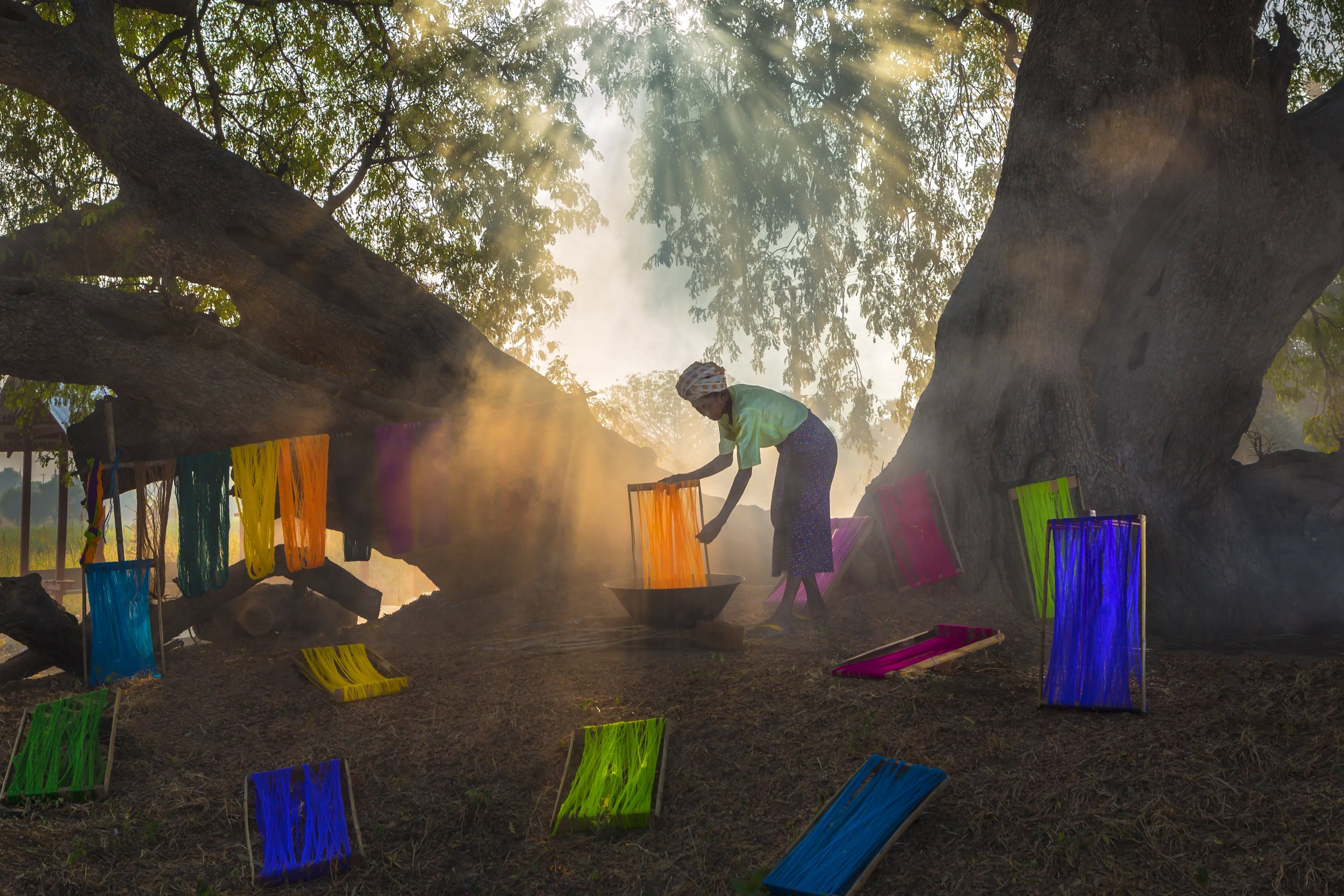
Daily Activity Of Woman

A woman is performing her daily activity of yarn coloring under an old tree.

© Kyaw Zay Yar Lin

Submission Statement

A woman is coloring the yarns under the old tree. This is the daily activity of yarn coloring.

Author Background

I am a 27-year-old photographer from Mandalay and Sagaing, Myanmar, active in the field since 2018. I enjoy lifestyle, journalism, travel, landscape, street, and portrait photography. My first teacher was U Ye Aung Thu (AFP chief photographer). I also do commercial photography.
I won second prize in the UNESCO Silk Roads International Photo Contest 2021 and the bronze
prize in UNESCO;s International Martial Arts competition . I received the "Philippine Department of Education Secretary's Choice Award" in the 15th SEARCA photo contest 2021; third prize
from British Council MYANMAR in the Climate Connection; and second place in ASEAN Centre for Biodiversity 2021. I made it to the finalist stage of HIPA, Humanity 2020-2021 in Portfolio (Story-Telling) and my photo was presented in HIPA's publication book, HIPA humanity 2020-2021.
I received five Excellence Awards and three Honorable Mentions from World-Photography-Awards-2021 competition of the North America Photography Association and received certificates from the Asia Photo Festival in 2020 and 2021.
In 2022, I was shortlisted for the Sony World Photography Award, Documentary
Projects. And I was a Category winner in Environmental Champion of Picture people in the Mobile
competition and I received an Award of Excellence from Picture of The Year (POY) ASIA 2022
Awards. I received the Gold Medal Award from Ukraine LifePress Photo 2022 in the category “People in the news.”
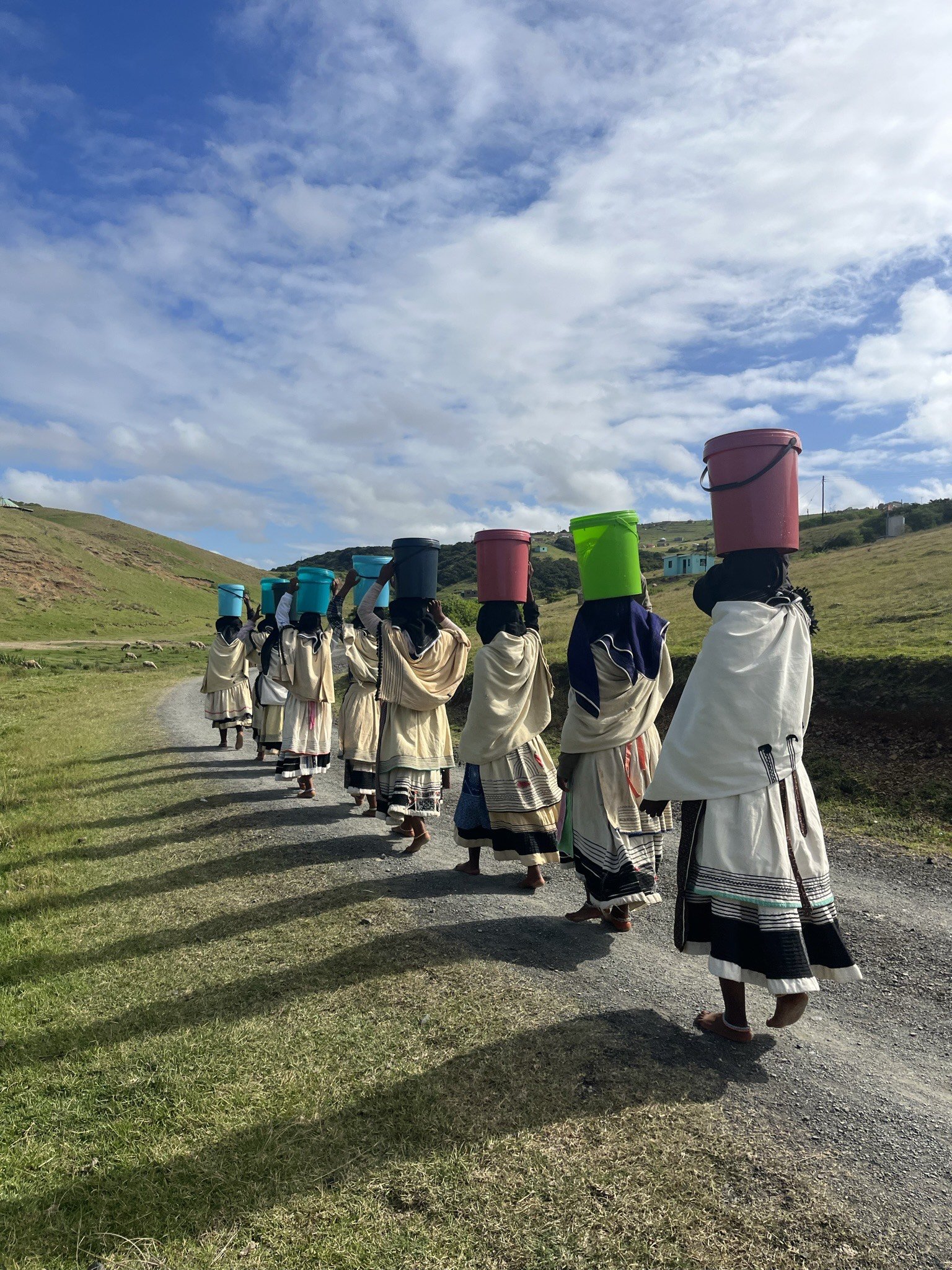
SECOND PRIZE: Hombakazi Mercy Nqandeka

Bridesmaids

This was an indigenous wedding ceremony. The bridesmaids help the bride to fetch water, collect firewood, and do other chores. They stay with her for a few days helping her to adapt in her new home.

© Hombakazi Mercy Nqandeka

Submission Statement:

This piece of work is the celebration of different components of Xhosa livelihoods. It is a celebration of women, who are the ones who run homes and hold up communities while men are mostly away working in far-away towns and provinces. It is women who raise children and mold the livelihoods of the Xhosa villages.

Author Background:

Hombakazi Mercy Nqandeka is an agriculturalist and a writer with an unquenchable passion for Xhosa heritage and culture. Born at Mqhele location in Xhorha (Elliotdale), she has a double master’s degree in agriculture and climate change transition from the National University of Ireland and the University of Montpellier SupAgro in France. Her latest book, published by Jonathan Ball Publishers, is titled Don’t Upset OoMalume: A Guide to Stepping up your Xhosa Game (2022). Her other books are The Dissonant Rainbow (2019) and To My Young Self (2020). She is currently doing a Ph.D. at Stellenbosch University in medicine and health sciences, focusing on indigenous health systems.

https://hombacrafts.com/

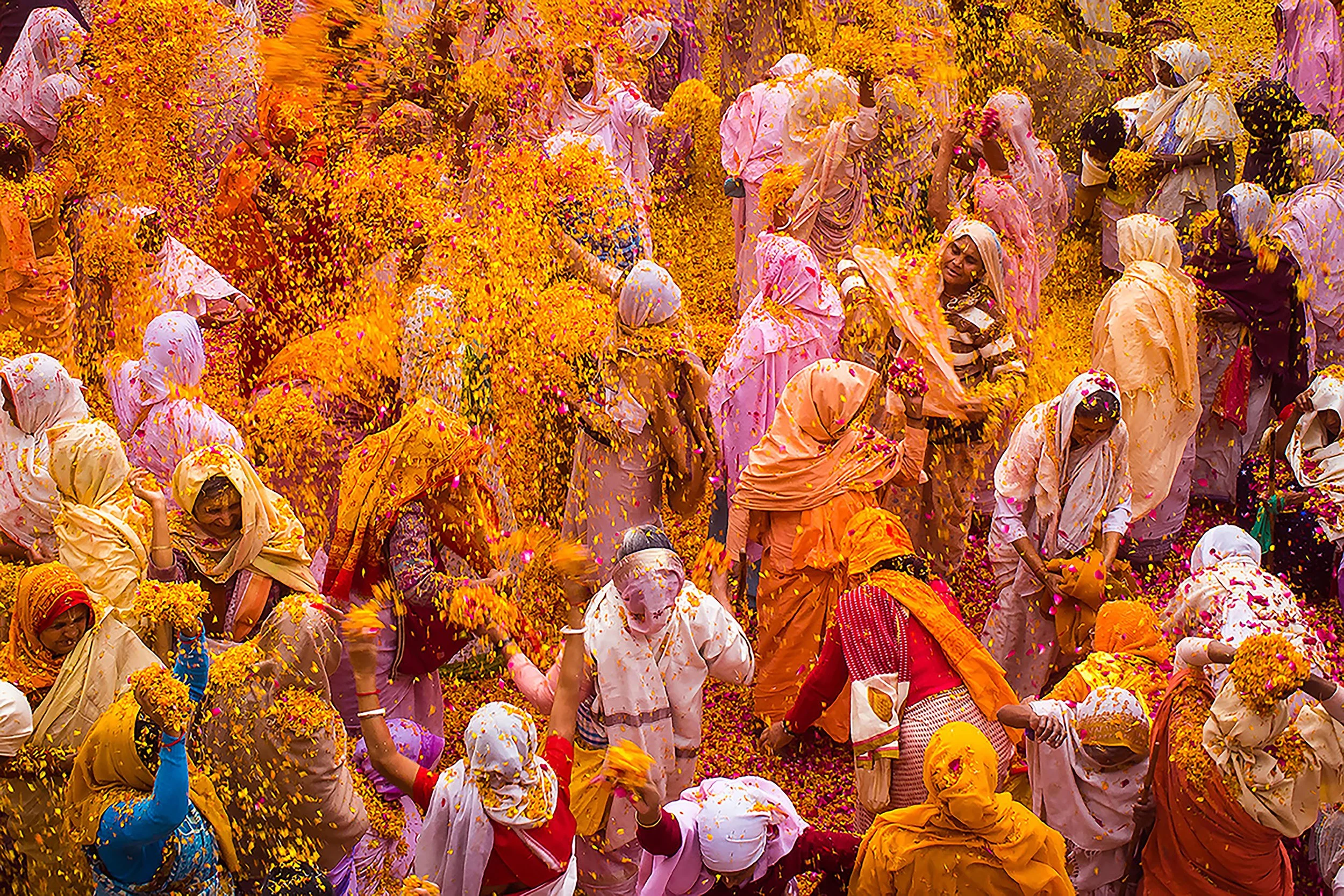
THIRD PRIZE: Arpan Chowdhury

Breaking of a Shackle

The "Hindu Bidhaba", the widows of India, have been tortured by the entire male dominated domain. They broke the shackles of an age-old tradition of Hindu society that separates some of our women from the rest. Though they were facilitated by an NGO, this positivity, energy, and active participation makes them special. Their right to colors and celebrations was snatched away. Society couldn't let them enjoy their constitutional right. Because society creates a parallel law of its own, the law, created and imposed mainly by the bramhinical sector. Now that we want to say goodbye to any kind of discrimination, these widows emerge as the epitome of revolt. They become the symbol of colourful grace because a living fossil can never be a resting place for a departed soul. These women are the New India, who never stops to celebrate her colorful women, her miracles, her divine divas.

© arpan chowdhury

Submission Statement:

I think these photos can bring a positive change to the mindset of people. My muses are the faces of this change.

Author Background:

I am a self-taught photographer. My field is street and culture and my aim is to become a photojournalist and to work for the backward classes of our society through my photographs.

HONORABLE MENTION: Mithail Afrige Chowdhury

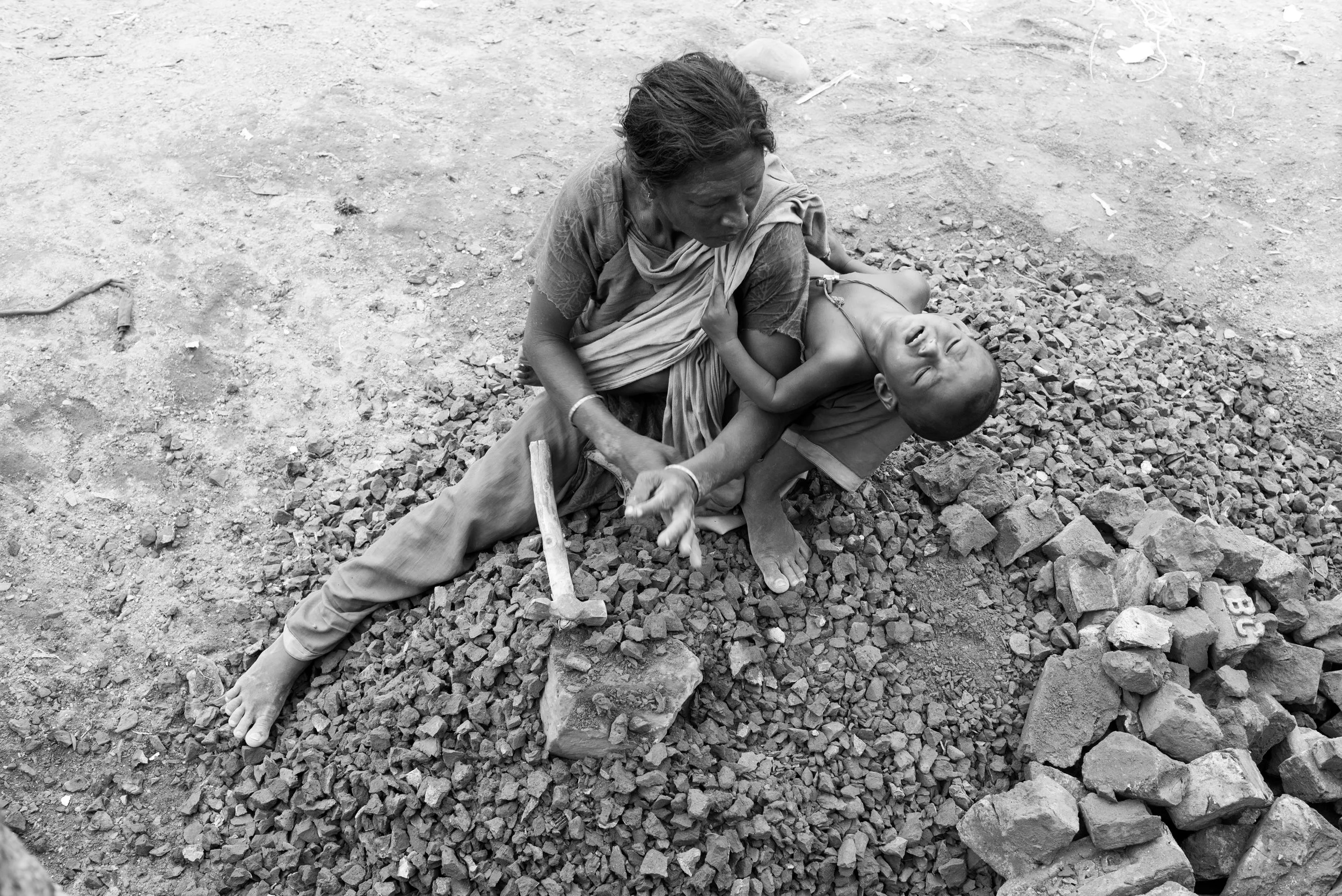
The Brick Prison

Salma works as a freelance brick bat laborer in Gabtoli, Dhaka, Bangladesh. She must chop up 500 bricks by 5pm each day in order to be paid. Salma’s one-year-old son is too young to understand this deadline and is crying to his mother for milk.

© Mithail Afrige Chowdhury

Submission Statement:

Women have the most diverse roles in the world. They are fighters, mothers, sisters, wives. They sacrifices their life for change: they change life, they change society.

Author Background:

Mithail Afrige Chowdhury (afrige1971@gmail.com) is a documentary and street photographer based in Dhaka, Bangladesh. He was raised with ordinary people in his birth town of Khulna, Bangladesh. Since then he has always tried to see and understand people’s lives, their pain, happiness, and the complications wrought from social, economical, political, and environmental changes. While living in the Dhaka in 2015, when he began photography, he decided to capture only the things that he was close to throughout his life. Mithail’s primary objectives are to show people about other people’s problems and emotions and try to effect change through his pictures.

As a photographer, he has documented the Rohingya refugee crisis, the effect of climate change on Bangladesh (ongoing project), major festivals, the river crisis around Dhaka city, street and slum people, slum fires, and the corona virus crisis (ongoing project).

Mithail has won several international photo competitions, such as a Life Press photo award [Ukraine] and Xposure International photo.

HONORABLE MENTION: Daniel Ceng

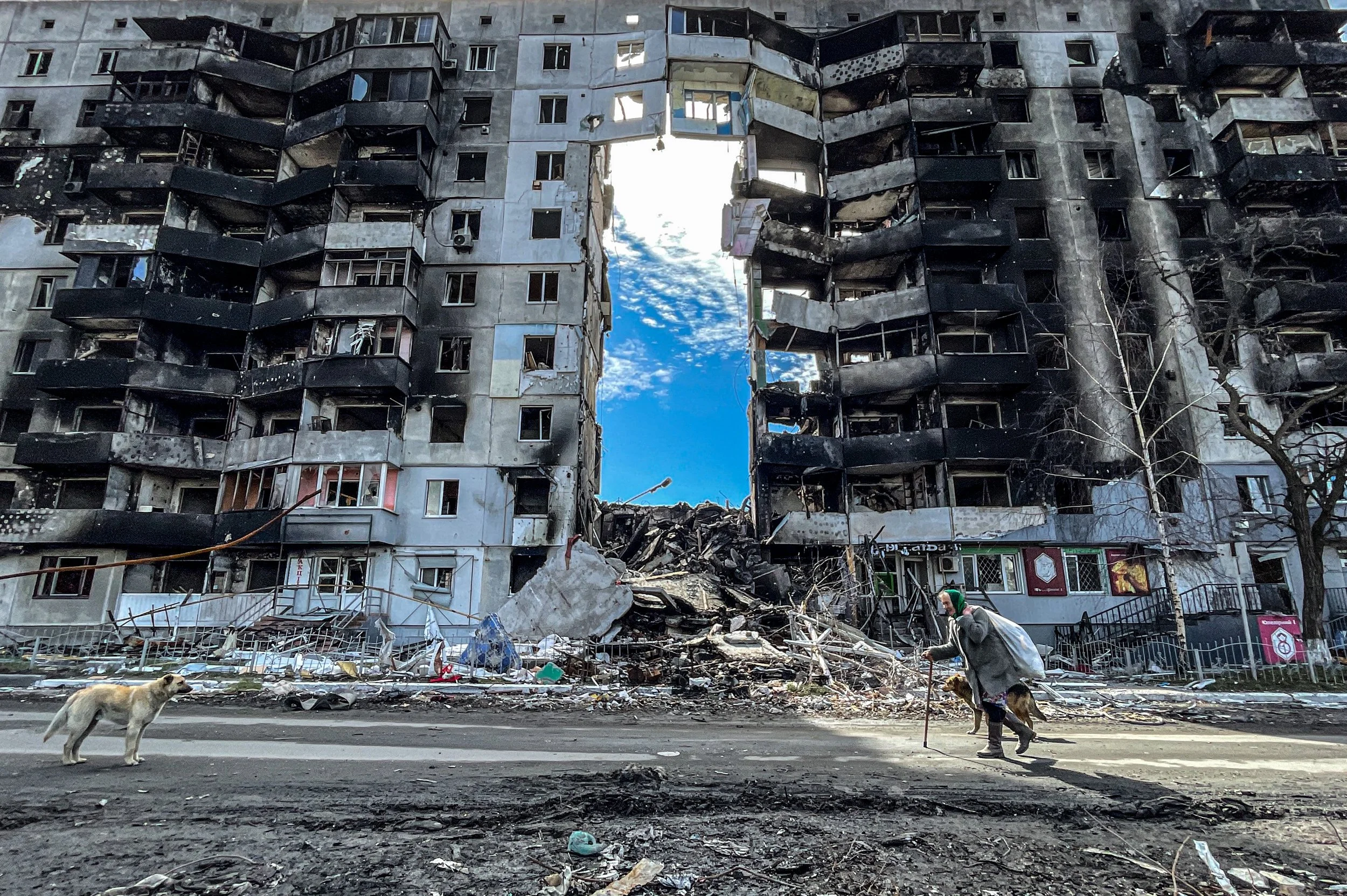
Women’s Resilience in War

An elderly woman holding a walking stick, with her dogs, walks past a residential building damaged by a Russian air strike, following Russian attacks on Borodyanka, Ukraine, on April 7, 2022.

The town of Borodyanka was occupied for the entire month of March by Russian forces before being liberated in early April. Hundreds of civilians were killed during the occupation, mostly buried to death in the debris of collapsed buildings following tense attacks.

© Daniel Ceng

Submission Statement:

The Russian invasion of Ukraine has brought apocalyptic horror and consequences to the Eastern European country, destroying houses, killing tens of thousands of innocent people, and injuring countless others. Often, news outlets around the world adopt a narrative through text and images that fear and anxiety have been instilled into the day-to-day life of the Ukrainian people, especially women. But this is not true. Most Ukrainian females I have met during my 6-month stay in Ukraine said they are not afraid, they will not be scared by the atrocities, and they are strong enough to continue on their life without fear of death. This photo of an elderly Ukrainian woman and her dogs walking past a building damaged by a Russian air strike explores the inner mentality and characteristics of Ukrainian women and woman as a whole, showcasing the fact that they are are resilient, strong, and capable of coping with challenges in times of difficulties. Women are not weak. Women are not easily defeated, frightened, nor intimated.

Author Background:

23-year-old Daniel Ceng is an Asian photojournalist covering politics, social issues, spot news, wars, and more around the world, including Europe, the Middle East, Asia, and Southeast Asia.

He has been working with several international wire agencies and news outlets, including The European Pressphoto Agency (EPA Images), The Guardian, AFP, AP, ZUMA Press, The Sydney Morning Herald, and The Initium.

In particular, after the Russian invasion of Ukraine unfolded in February 2022, Daniel took the initiative to enter the war-torn country in the first week of March.

During his six-month stay in Ukraine, he traveled to different war-torn cities, towns, villages as well as front lines in Donbass, reporting on the aftermath of Moscow's brutal invasion and its prolonged impacts on the most vulnerable groups.

He is dedicated to unique, authentic and quality photojournalism while striving room for improvement in the long run.

HONORABLE MENTION: Rumela De

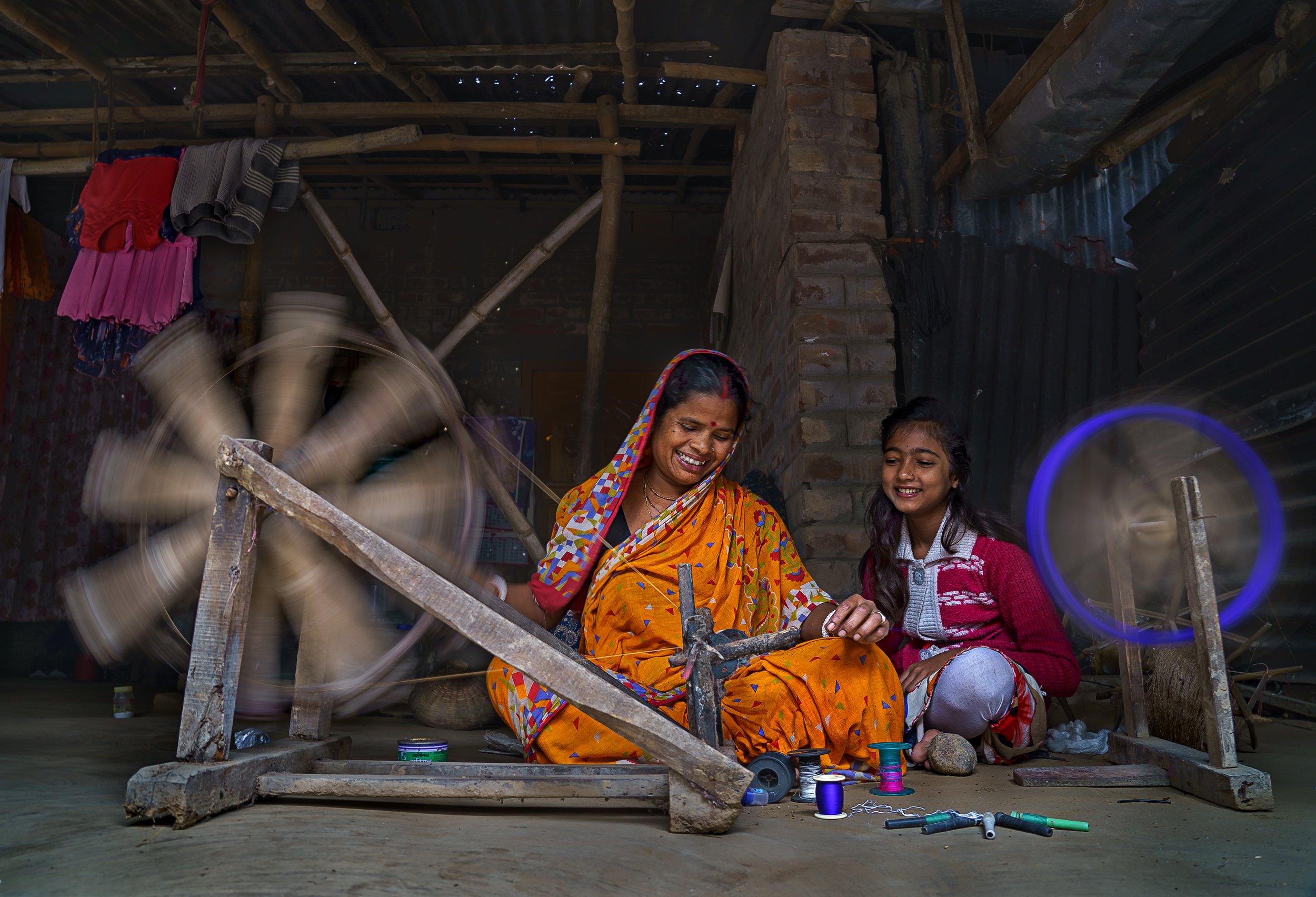
Charkha

The charkha (spinning wheel) that has been used for generations is a heartwarming reminder of how a single object can encapsulate a multitude of values, historical contexts, and cultural connections. It serves as a living legacy that transcends time, reminding us of the enduring importance of cultural heritage and shared ideals.

© RUMELA DE

Submission Statement:

Women have been instrumental in catalyzing positive change in various aspects of society. Their leadership, advocacy, and contributions have not only improved the lives of women and girls but also had a transformative impact on communities, nations, and the world as a whole. Recognizing and supporting women's roles as change catalysts is essential for progress and sustainable development.

Author Background

I’m a senior software developer and have been following my passion for photography since around 2016.

I have a three-year diploma in photography (2018) and a one-year post diploma (2019) from the Photographic Association of Dum Dum (PAD), Kolkata, India.
My works have been exhibited in more than 30 countries so far. I have received some national and international awards, including from UNESCO, Gujrat Lalit kala, Delhi Lalitkala Academy, Department of Information & Cultural Affairs of West Bengal, Indian Statistical Institute, ITC, HSBC, Chitranjali, and the Indian Postal Department.

Photographic Honors:
EFIP, EFIAP