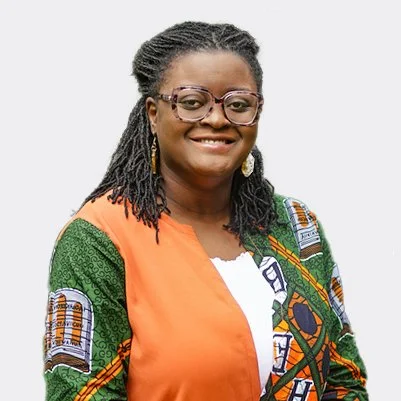
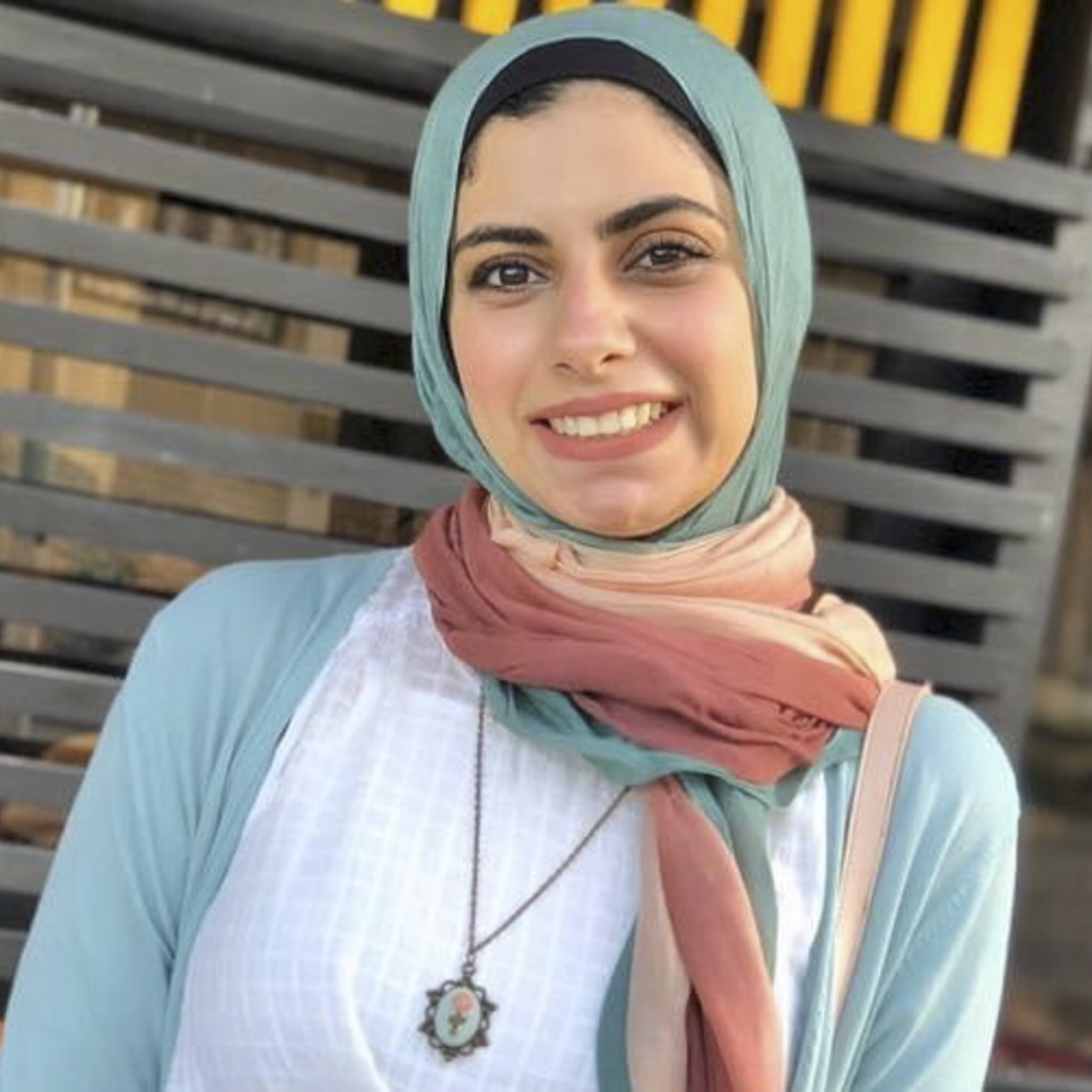
Rana Ahmed

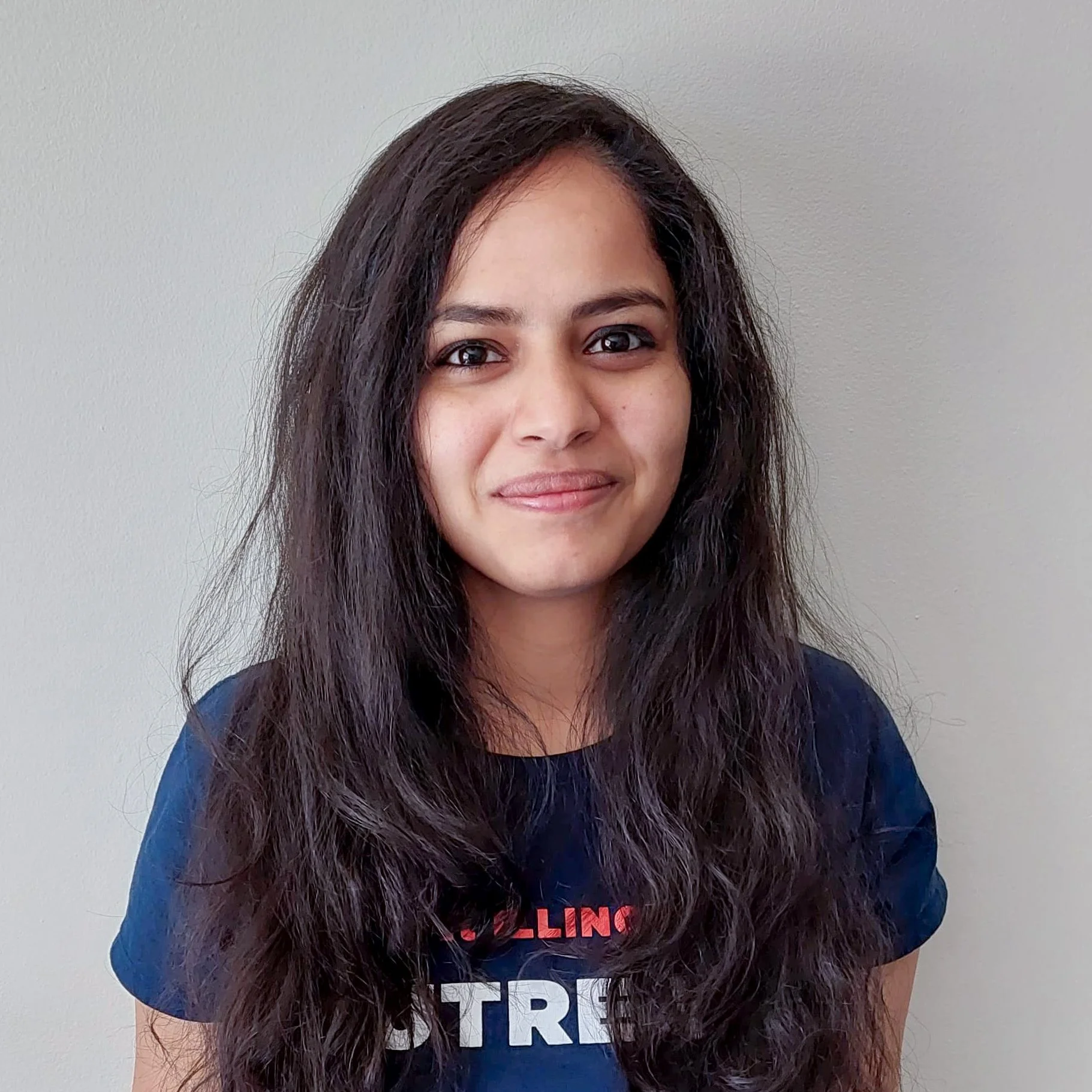
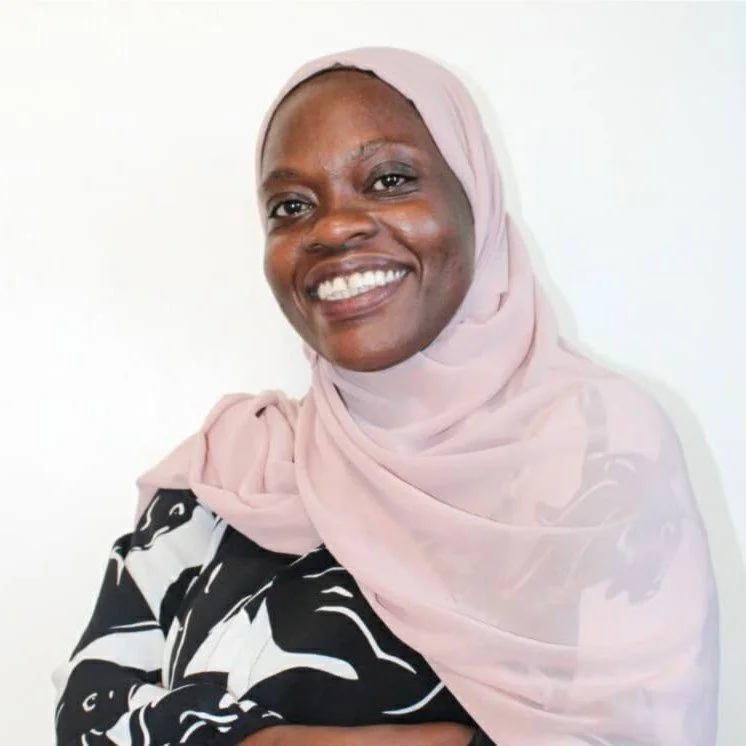
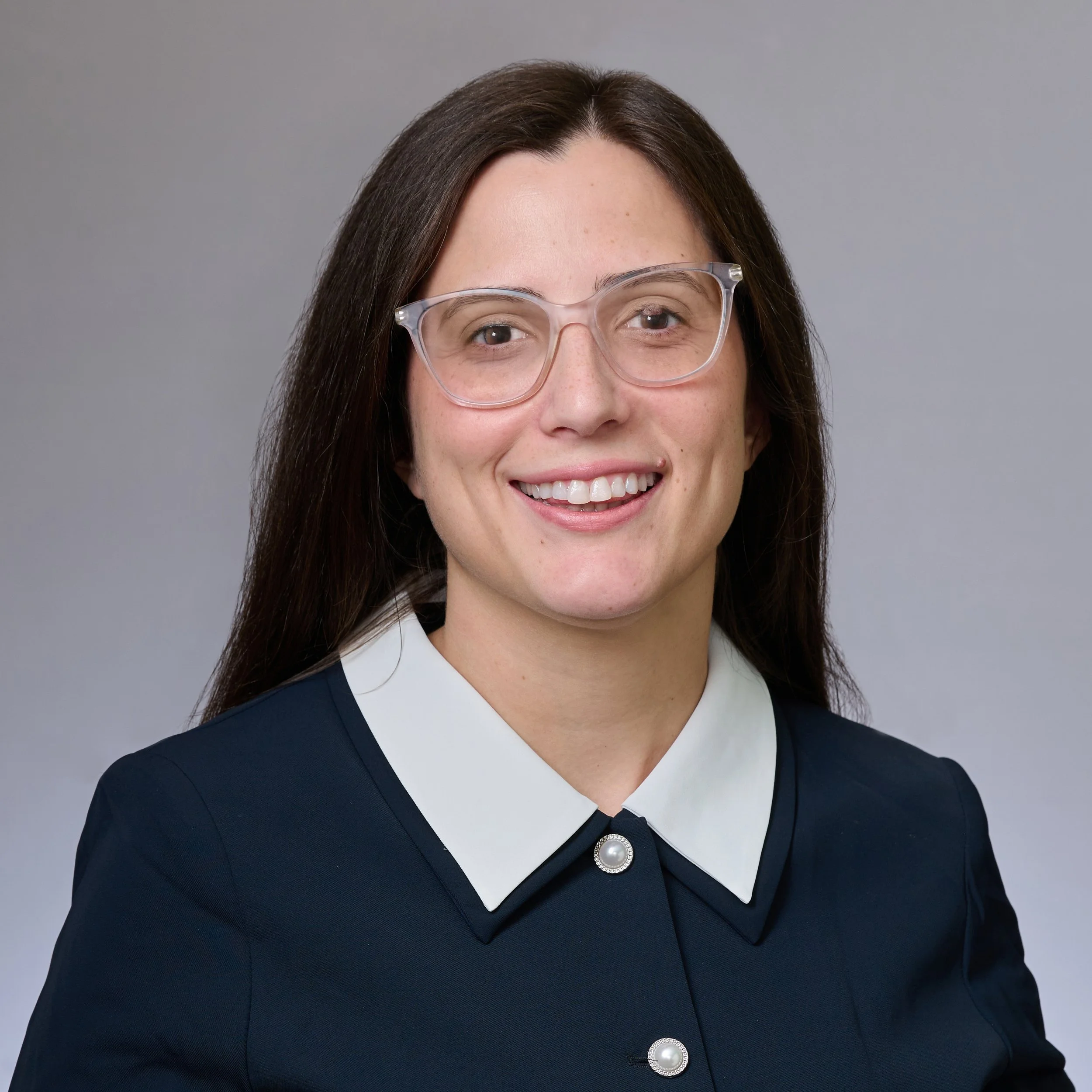
Rana Ahmed (27), from Egypt, is completing her master’s in science (microbiology) at the University of Manitoba, Canada. A dual focus on microbial resistance and disease prevention, particularly in humanitarian settings, forms the basis for her career in antimicrobial resistance research.

 Rana plans on beginning a doctorate immediately after her master's and aims to be a university professor, to strengthen her role as a mentor in STEM fields. She will continue to create tangible opportunities for girls pursuing STEM education. Rana aims to globally transform women's education with the BloomHer Learning Hub, a non-profit that establishes accessible online education platforms, providing educational and social support for women.
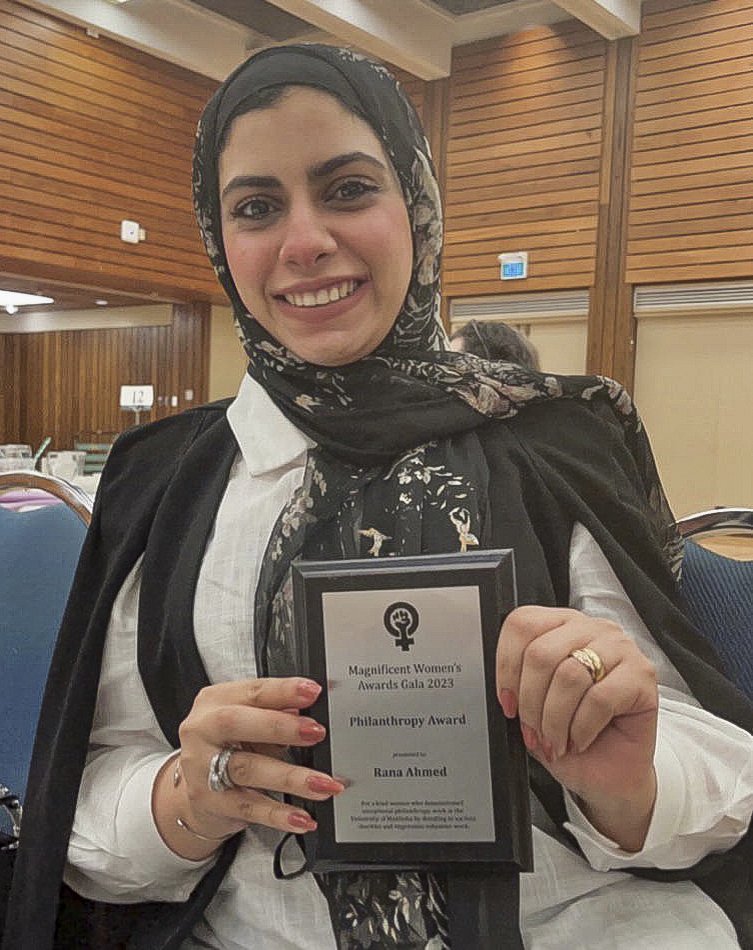
Rana possesses a deep understanding of the challenges faced by underrepresented individuals, working to eliminate barriers to achievement and empower marginalized voices within her community. She organizes fundraising activities to raise funds and awareness for childhood cancer. Rana initiates community-driven projects and provides mentorship to aspiring individuals—for example, writing science content for students to bridge educational gaps and facilitate global access to education. 

Rana exhibits exceptional leadership qualities as a changemaker and inspiring role model with a commendable ability to embrace community outreach, foster connections, and bring diverse individuals together. She has received numerous awards, including the Tony K. Lau award for volunteer service and the RBC Future Award from Volunteer Manitoba, which directed a $5,000 donation to the Children's Hospital Foundation of Manitoba in her name, and was nominated for the Top 100 Women-Canadian Tire Community Impact Award for commitment to academic excellence and community welfare.

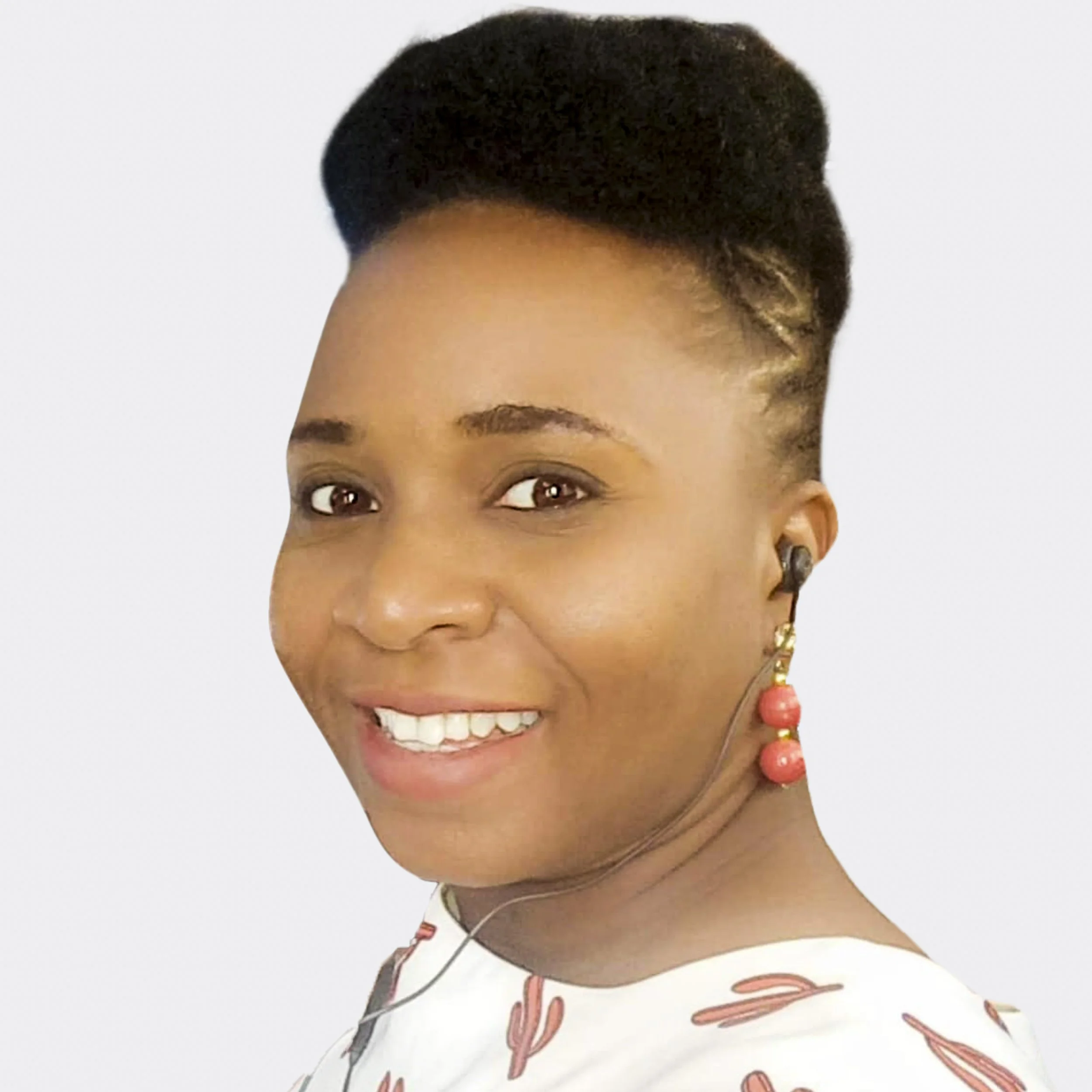
Salome Chika-Igbokwe

Salome Chika-Igbokwe (37), from Nigeria, is pursuing a doctorate in vaccinology and immunotherapeutics at the University of Saskatchewan, Canada. Her goal is to significantly reduce the disproportionate global burden of infectious diseases in Africa, given that vaccines are critical in preventing and controlling diseases but one in five children cannot access them. She seeks interventions to overcome barriers to the access, distribution, and acceptability of vaccines in Africa. Her study will contribute to global efforts, led by Africans and contextualized to their specific needs.

 Prior to her current study, Salome worked in Nigeria for over 10 years as research manager on large implementation research focused on preventing mother-to-child transmission of HIV among 497 HIV positive pregnant women; improving retention in care, viral suppression, and psychosocial wellbeing among adolescents living with HIV through a coordinated transition from pediatric to adult care; and supporting over 700,000 adolescent girls’ access to modern contraceptives and economic empowerment initiatives.  

 Salome has a bachelor’s degree in human anatomy from the University of Port Harcourt and a master’s degree in public health from the University of Ibadan, both in Nigeria. As a graduate student, she was awarded the prestigious Fogarty AIDS International Training and Research Fellowship, which was the springboard of her research career.

 After her studies, Salome plans to continue her research in maternal, child, and adolescent health, assume a strategic leadership role in an organization involved in public health research, and later become an academic professor, serving as a mentor for the next generation of public health professionals.

Benmun Damul

Benmun Damul (27), from Nigeria, is completing a master’s degree in public health, specializing in global health, at Vanderbilt University. Benmun hopes to combine this education with her psychology background to address mental health challenges of women and children in low-resource settings on a community, rather than individual, level. This desire was stimulated by her time volunteering, where she “began to understand just how interconnected we all are, and that human behavior does not exist in a vacuum of individuality”.

Benmun founded the NGO Mental Health Naija, a platform to educates her community about pertinent mental health issues such as postpartum depression, sharing mental health resources, discussing mental health policy, and how to leverage community strategies for treatment and support. Through Mental Health Naija, she also supports undergraduate women with tuition scholarships. As a member of the Girl’s Brigade, Benmun invests in the girls in her community by serving as a mentor and teaching them entrepreneurial skills that will form lifelong skills. She has also volunteered at the Girl Child Advancement Initiative, an organization that seeks to bridge the financial, social, and cultural obstacles young girls in Nigeria face. Through her work we see a lifelong devotion to the bolstering of women and children in her community. 

In the immediate future, Benmun plans to pursue a PhD in clinical psychology focusing on assessment and treatment tools for mental health in low-resource settings. Through academic research and teaching, she plans to further contribute to the field of mental health and women’s health.

Ivy Fofie

Ivy Fofie, (35), from Ghana, is pursuing a doctorate in communications and media studies with a graduate certificate in women’s gender and sexuality studies at the University of Oregon.  Ivy’s important dissertation examines the history of women working in local language media, to uncover the problems women face when voicing concerns of injustices to the media, for resolution. She also examines program content for gender progressive discourses.

 Ivy works to raise awareness through the media to provide a haven for women subjected to rape and domestic abuse to provide financial assistance and vocational training, and establish housing and education for abandoned women and children whose conditions are unresolved due to indifference and an antiquated patriarchal system.

 Ivy’s focused and non-threatening demeanor has gained her access to stakeholders to fund projects for women in media: with others, she acquired a small grant from the US Embassy to investigate the status of women in Ghanaian newsrooms. Her greatest personal achievement is being a volunteer at the Ghana Broadcasting Corporation, as a local language panelist, communicating in her language of Guan, on a program broadcasting to women and girls in rural villages offering support, advice, and mentorship.

 She is the editor-in-chief for FemInStyle Africa, a women’s organization that publishes a written magazine to highlight inequalities against women.  Ivy’s plan for the future is to partner with two local media-focused NGOs – the Alliance for Women in Media Africa (AWMA) and FemInStyle – to assist in providing media and vocational training as well as financial help to underprivileged women and children.

Manisha Garg

Manisha Garg (30), from India, is completing a doctorate in mathematics at the University of Illinois Urbana-Champaign. As an educator, her goal is to support women in STEM by contributing to an educational environment that emphasizes mentorships and inclusiveness. She has a passion for mathematics and gender equity and her own professional goals have been profoundly influenced by her mother's role as the sole female teacher in her native rural Punjab village. 

 Confident in her abilities and persistent, Manisha believes that an education in STEM instills creativity, builds self-esteem, and provides important problem-solving skills, especially in children and women. On the uplifting of women and children, she says “education is the answer.”

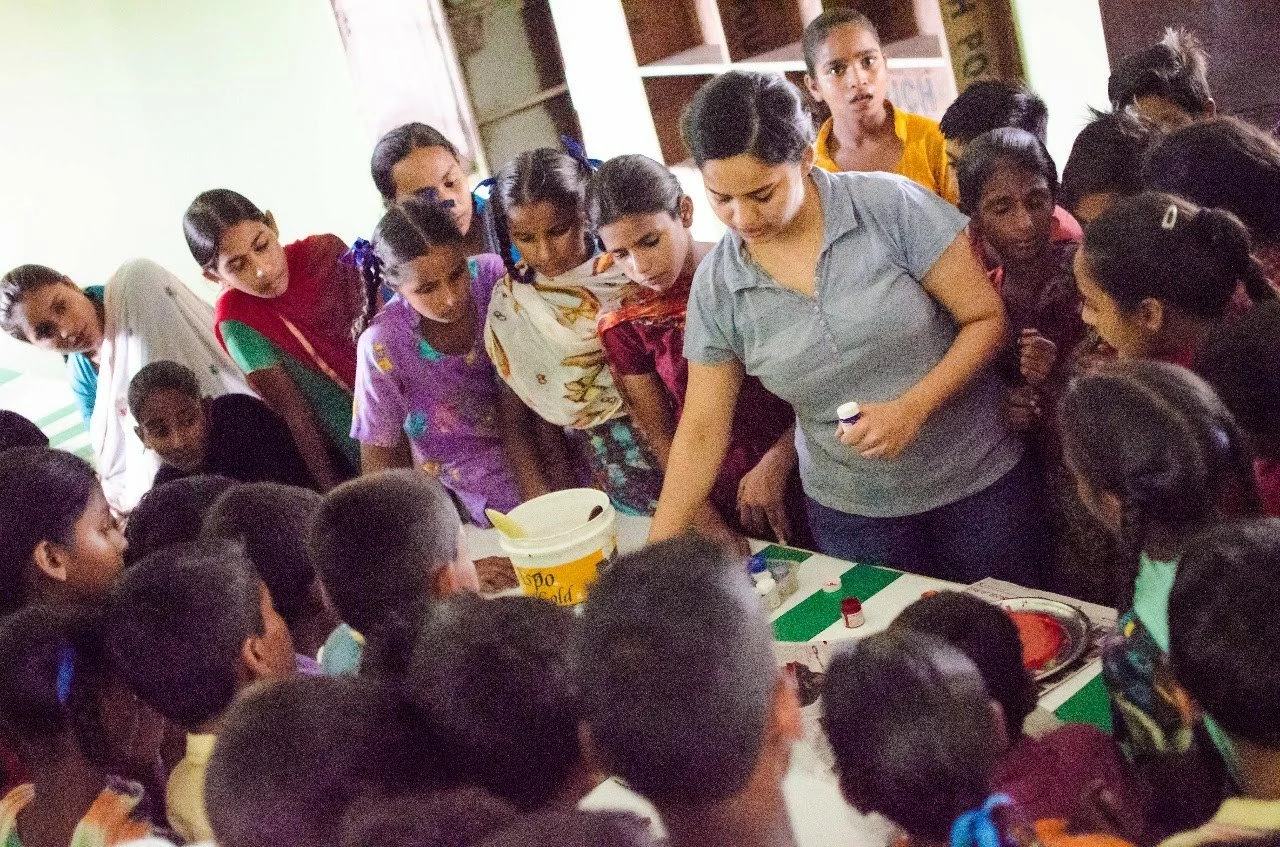
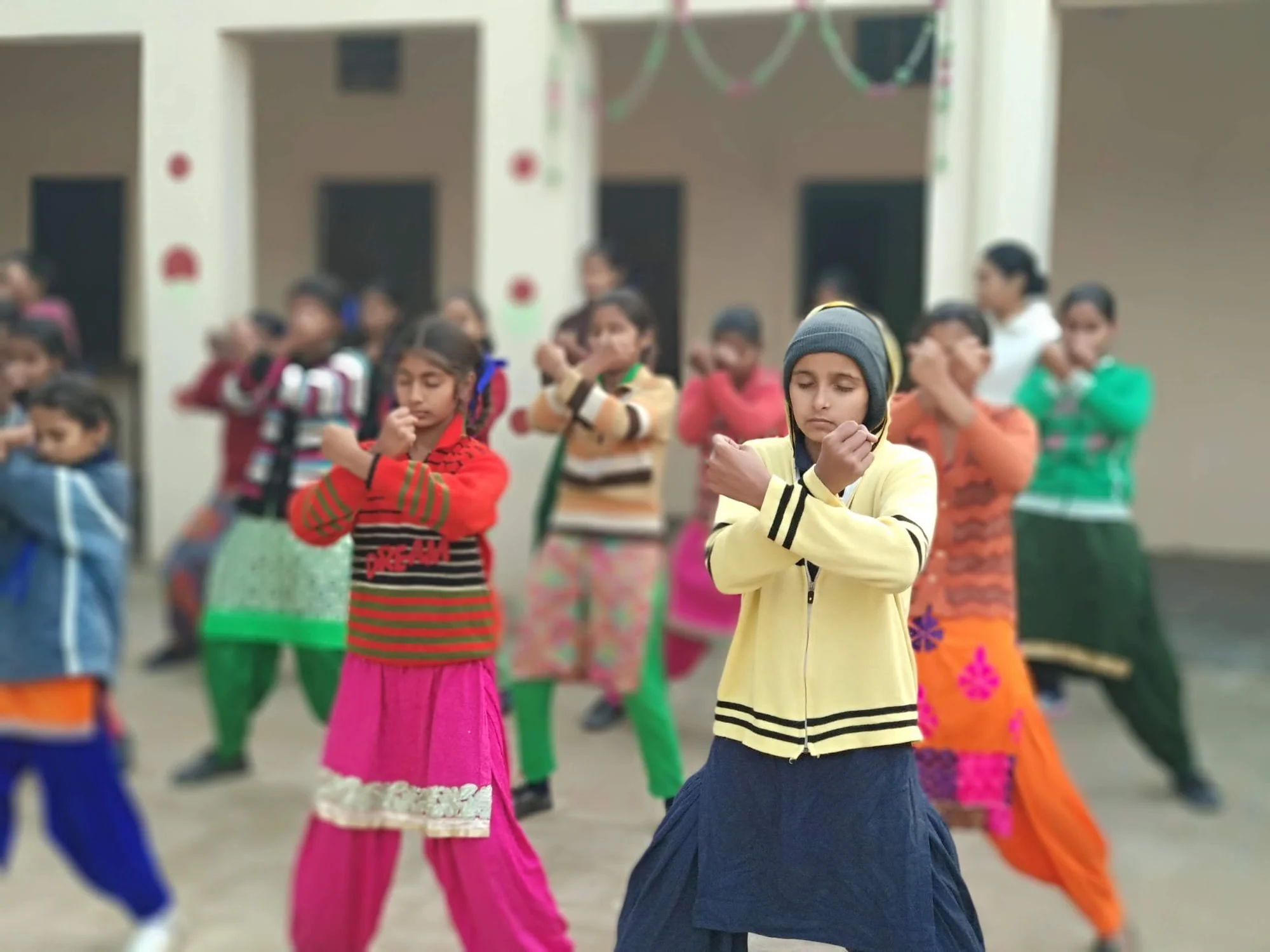
 Manisha co-founded the NGO Maadhyam Welfare Society (MWS), in Punjab, where she established the first library in the region, providing a safe environment for reading and studying. Through this NGO, she has organized language, public speaking and self-defence seminars for young women and facilitated digital access to education programs. Manisha's commitment to women and children is also demonstrated by her successful volunteer initiatives, such as Outreach Chair of the Association of Women in Maths, where she led a female-focused event to encourage early interest in maths and to build a supportive network. 

 Drawing on her firsthand understanding of educational challenges faced by women in rural areas in India, Manisha is determined to help build a community of students who support and inspire each other as they strive for excellence in STEM fields.

Samjhana Khanal

Samjhana Khanal (29), from Nepal, is doing a doctorate in plant genetics with a biotechnology minor at the University of California, Davis. Her research focuses on “healthy germplasms of vegetables” and aims to address the yield production and nutritional deficit especially evident in women and children by developing resistant seeds.  She is highly motivated by her own experiences, wanting to understand the core causes of farmers’ agricultural problems and to improve agricultural productivity.

Samjhana has demonstrated a long-standing commitment to community service and being an advocate for social justice and empowerment through agri-entrepreneurship, vegetable gardening, and education.  She founded and is president of the Women’s Initiatives for Sustainable Agriculture & Environment (WISE), Nepal, 2021, whose purpose is to maintain social inclusion, women empowerment, and equality through sustainable agriculture.

In her graduate studies, Samjhana has used organizational platforms for gender equity: she has organized training sessions and supported programs related to kitchen gardening, plant disease diagnosis, women’s empowerment through agriculture, schoolgirls’ reproductive hygiene, earthquake victim support program, and girl's trafficking awareness, to name a few.

In addition to her studies and volunteering work, Samjhana has worked as a research assistant with the Max Planck Institute for Developmental Biology based in Tübingen Germany and with FORWARD Nepal; a national NGO implementing projects focused on poor households, women, Dalits, and children.

Samjhana says that “Being a socially motivated scientist, my goal is to engage in addressing the need of underserved communities and contributing to achieving sustainable development goals such as poverty reduction and zero hunger through vegetable farming.”

Neema Kihwelo

Neema Kihwelo (32), from Tanzania, is pursuing her master’s degree in public administration in development practice at Columbia University. Her focus is the intersection of business, social enterprise, and gender inclusion directly contributing to advancing opportunities for women and children.  She has eight years of non-profit work experience designing economic interventions for marginalized women, demonstrating her ability to translate theoretical knowledge into practical solutions. She co-designed an equipment micro-credit project with Aqua Farms Organization, Tanzania, for female seaweed farmers and secured $50,000 in funding. Neema also seeks to develop climatic-resistant sustainable agricultural strategies/models to empower women farmers.

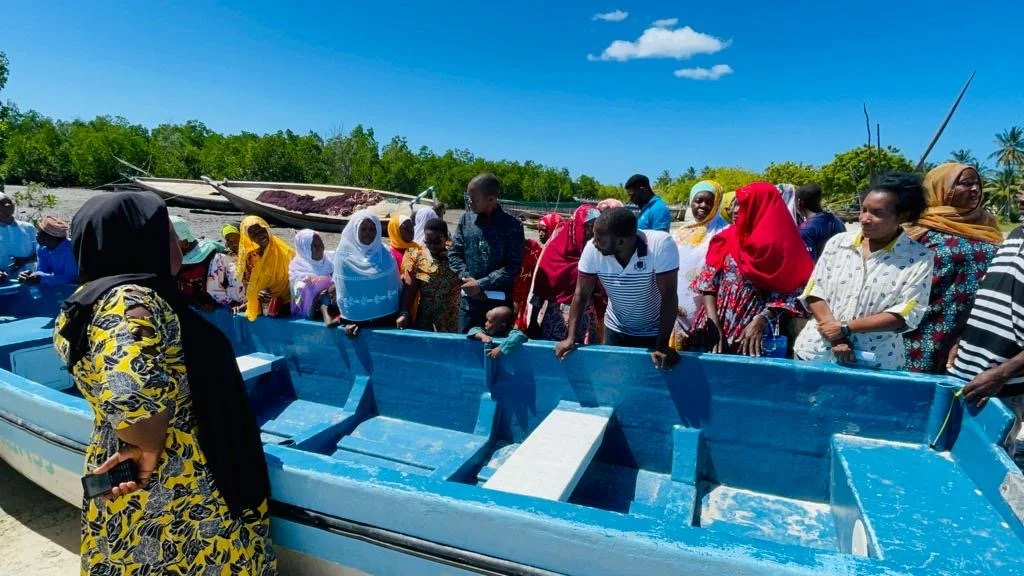
Seaweed harvest

Equipment handover

At the NGOs BRAC Tanzania and Youth Challenge International Zanzibar, Neema empowered over 1,000 young women through social enterprise and microcredit initiatives, matching women entrepreneurs to support and enable sustainable start-ups. Neema has worked on initiatives to bridge gaps in skills, access to resources and decision-making power for marginalized women. Despite facing challenges such as traditional gender norms and resource constraints, Neema's courage and innovative spirit shine through. She says, “I want to champion behavior changes within the community instead of backing down.”

In the future, Neema plans to establish a non-profit organization focused on creating ecosystems, partnerships, and digital platforms to enhance women’s skills and leadership to catalyze community growth and build local youth and women’s capacity to advance gender equality by influencing policy and budgetary decisions.

Neema Kihwelo's grant is sponsored by BankFund Credit Union.

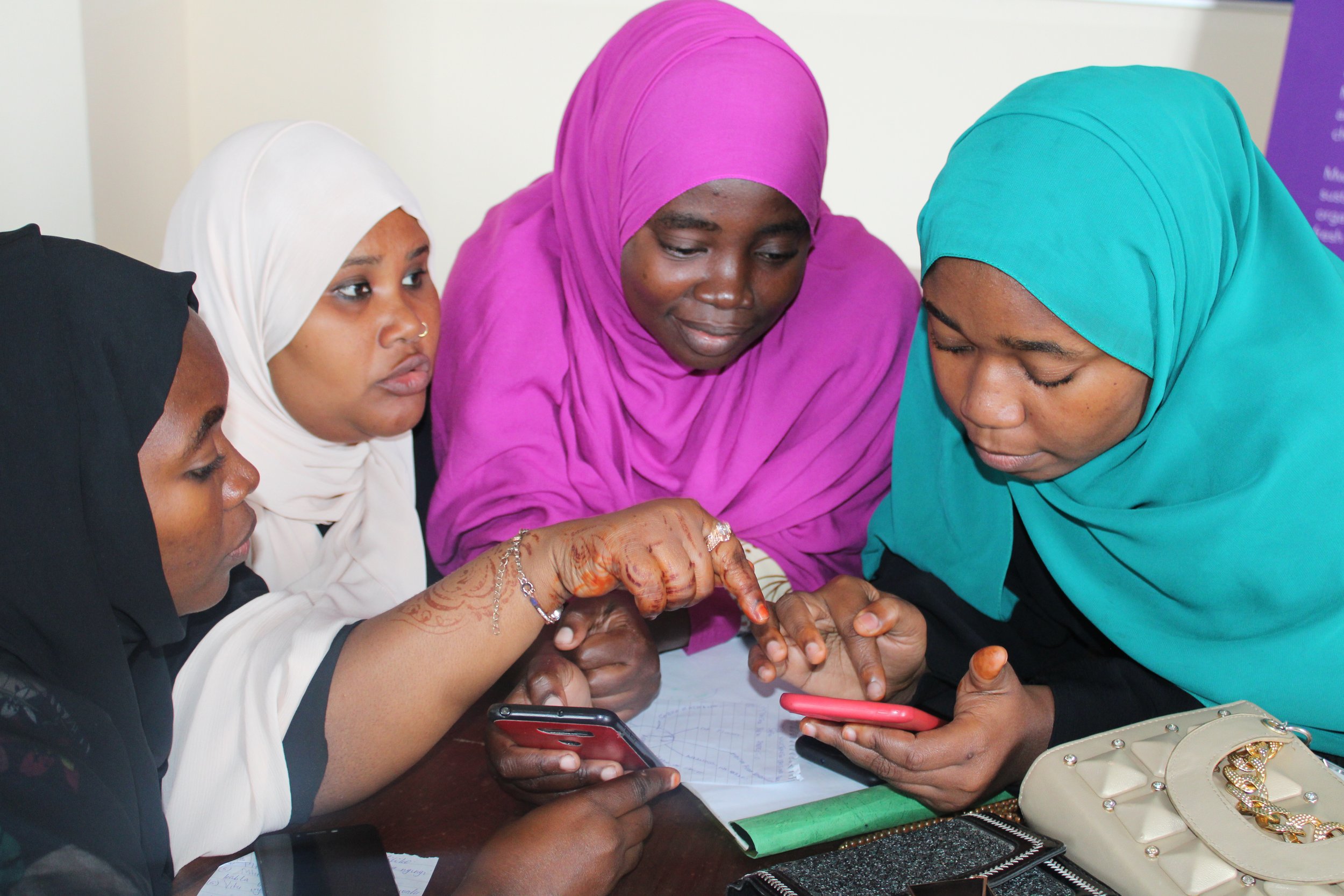
Digital literacy training

Josefina Senese

Josefina Senese (30), from Argentina, is pursuing a doctorate in education policy at Boston University, where she is also a research assistant at the Wheelock Educational Policy Center.  Her personal story is a testament to her resilience and determination. As the first in her family to attend college, she worked part-time to support her family and eventually earned her degrees with honors. Josefina has an extensive history of employment and volunteer service dedicated to educational research and policy.

Josefina is deeply committed to community service, providing free English language and math tutoring sessions to students with mild disabilities. Her diverse volunteer experiences, including research on education policies affecting Mapuche students in Chile and supporting democracy and social development policies across Latin America, highlight her broad interest in educational equity and her commitment to leveraging her skills for societal benefit.

Her past projects demonstrate her commitment to addressing the challenges faced by children with disabilities in educational settings. This work includes partnerships with local entities in Ghana and Uganda, showcasing a collaborative and respectful approach to research, and working with the Indiana Department of Education on the impact of inclusive settings on students with disabilities.

Josefina’s work, aspirations, and personal journey are dedicated to improving the educational experiences of girls with disabilities. Her academic achievements and professional contributions position her as a significant advocate for inclusive education policies. Her future endeavors promise to further impact the educational landscape, especially for those most marginalized in society.