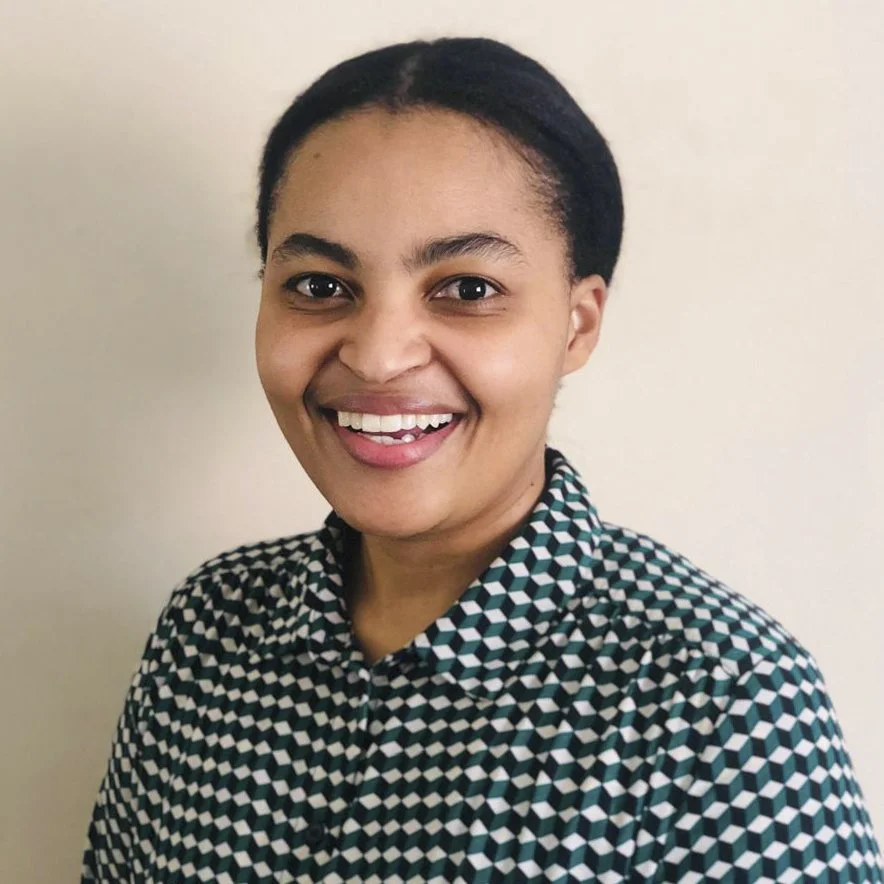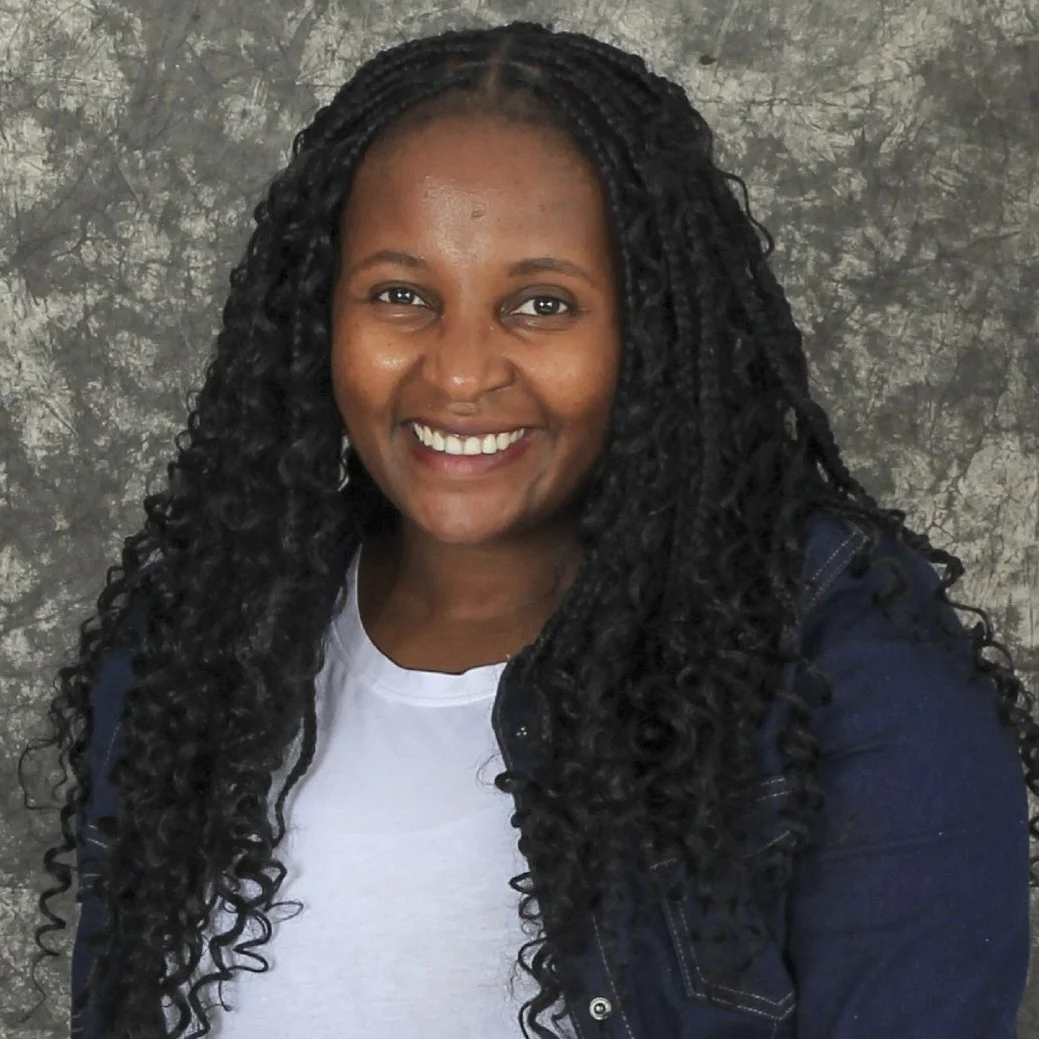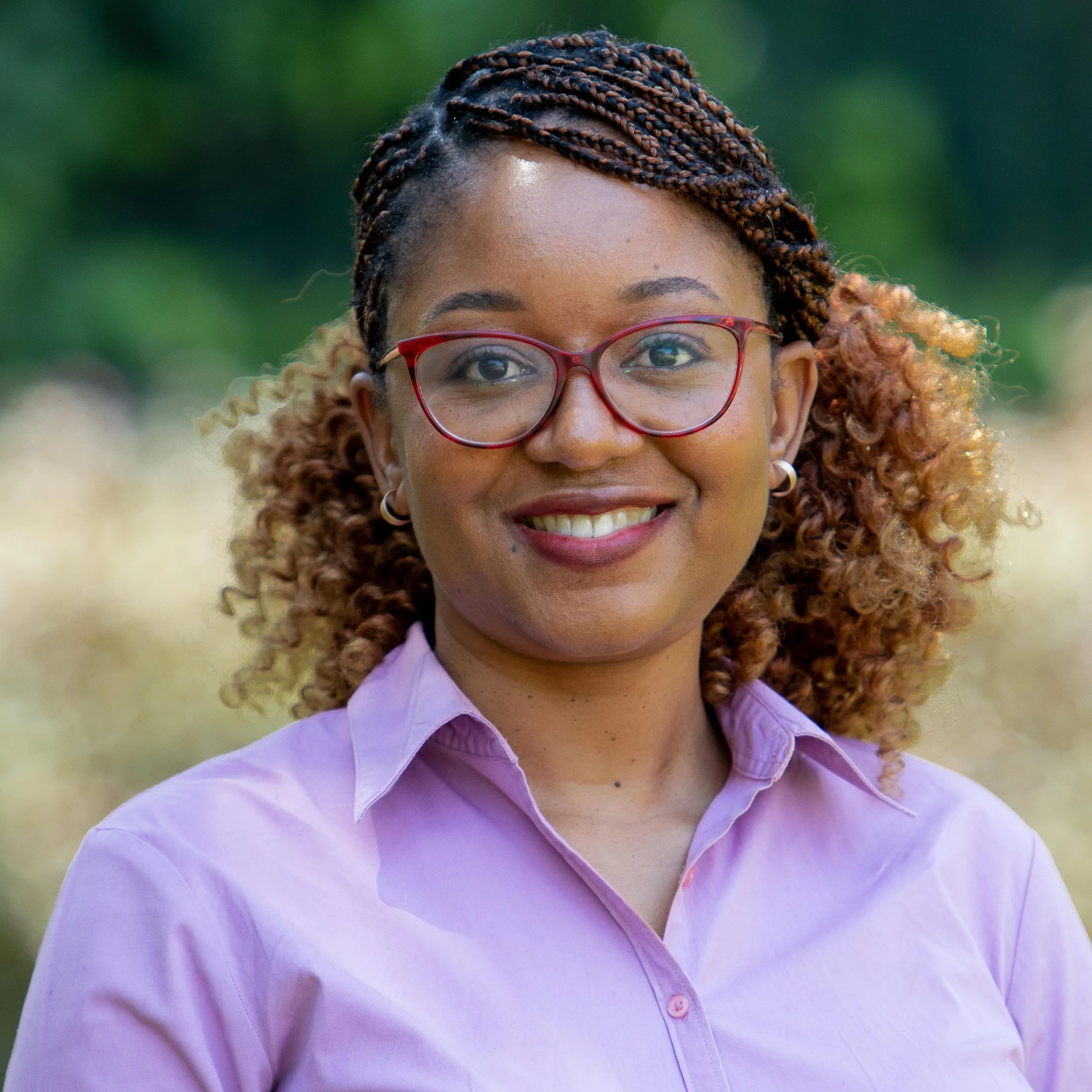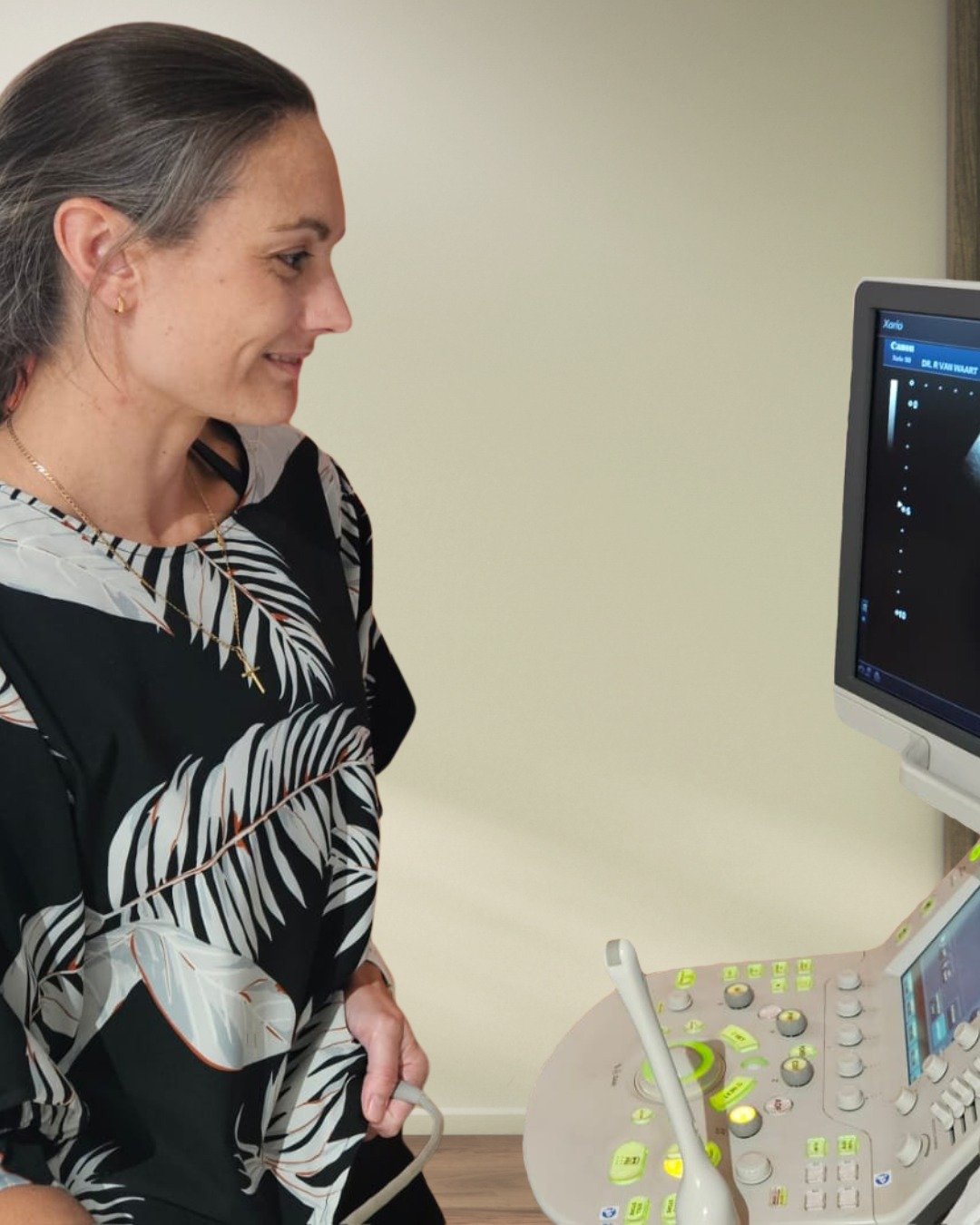

Tamia Botes

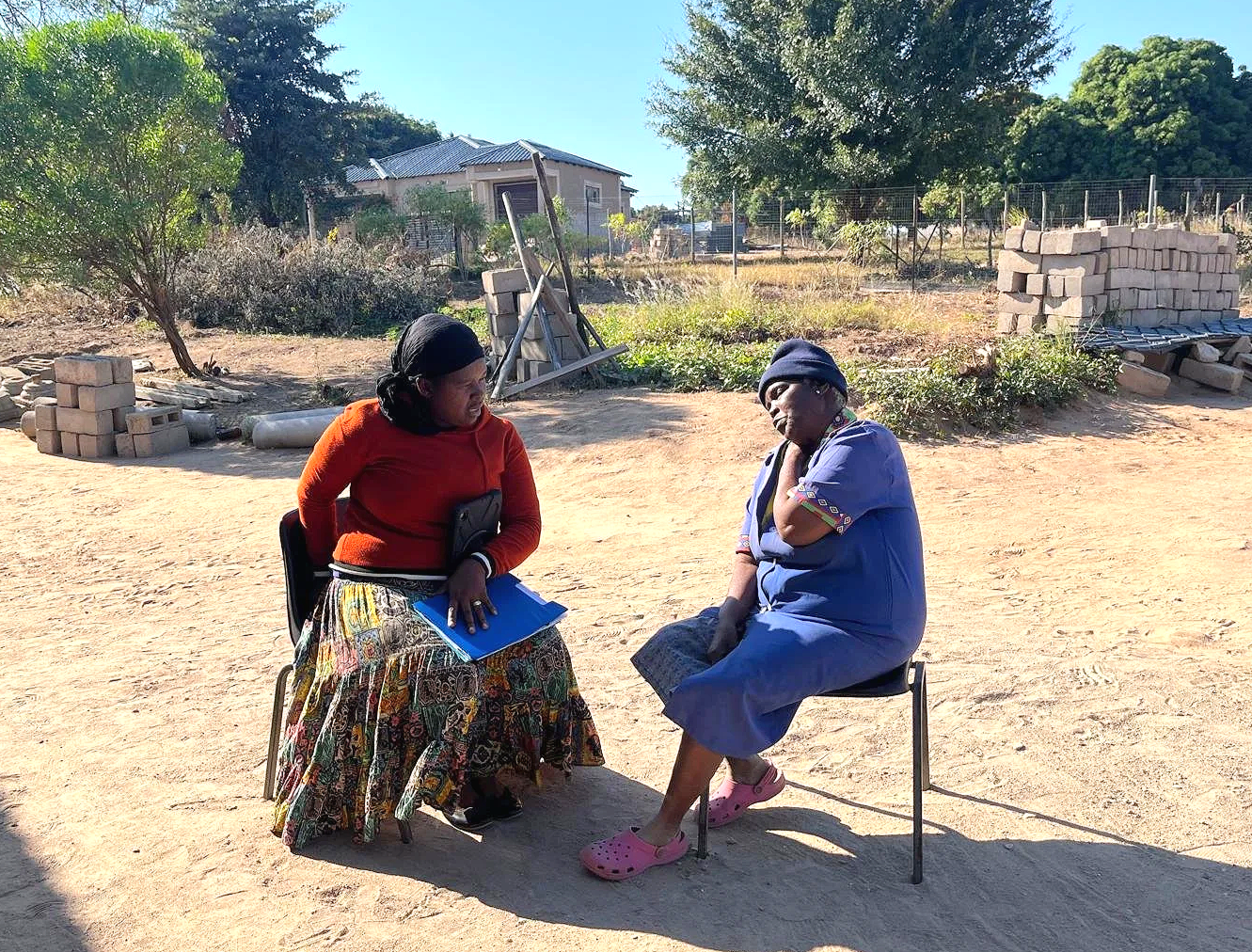
Tamia BOTES, from South Africa, is a PhD candidate in anthropology at the University of the Witwatersrand. Her research is grounded in feminist and decolonial scholarship and focuses on women, care, and gender-based violence in South Africa. She examines how histories of forced removals, apartheid spatial planning, and ongoing urban marginalisation create conditions of heightened vulnerability for women and children, while also giving rise to women-led practices of care, protection, and survival.
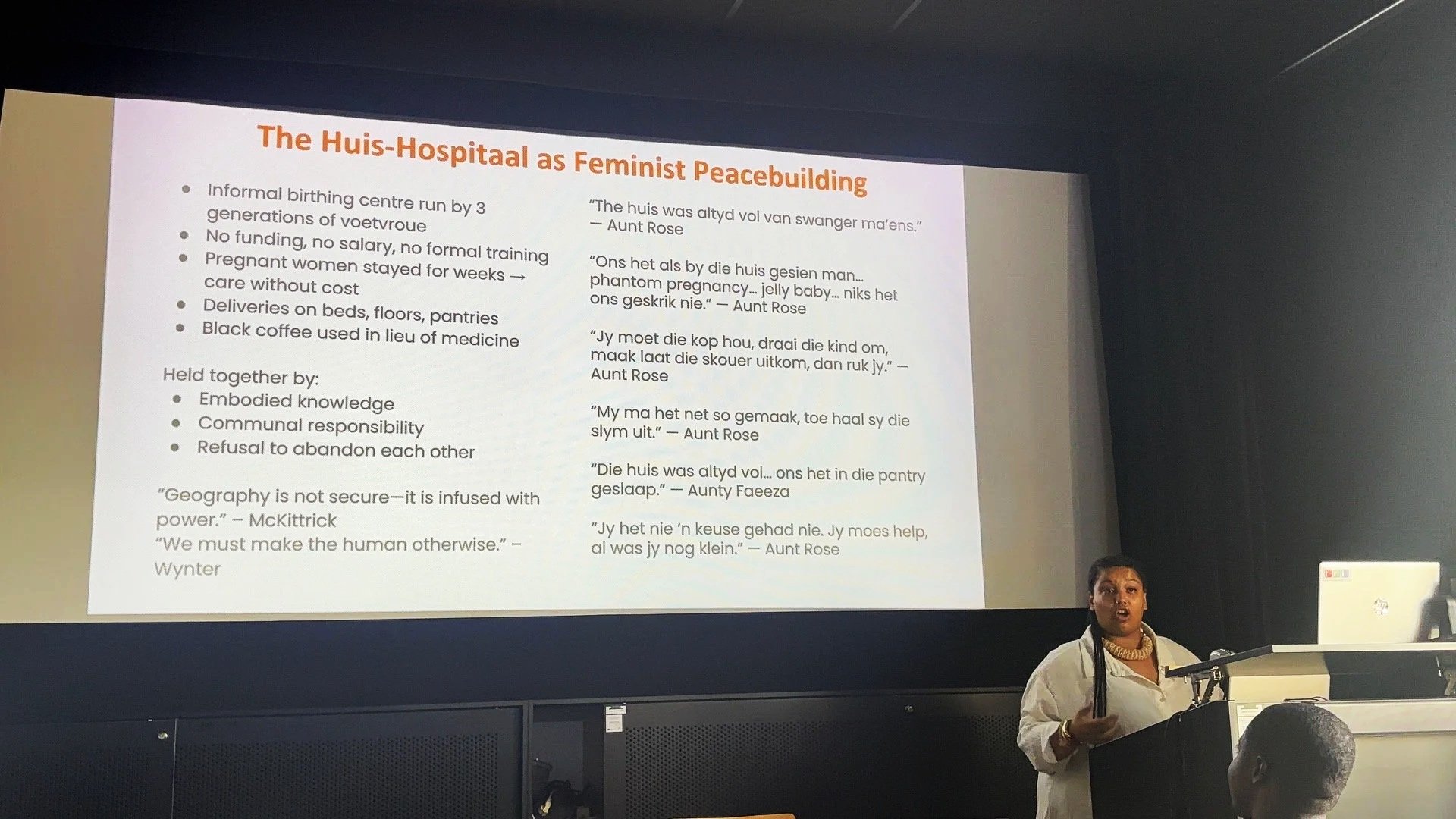
Tamia’s doctoral research centers on women’s labor and knowledge in communities where gender-based violence is pervasive and structurally produced. She documents informal and often invisible infrastructures of care, including kinship networks, community-based health practices, midwifery traditions, and everyday forms of emotional and material support through which women mitigate harm and sustain life. By emphasizing care as both a response to and a refusal of gender-based violence, her work challenges dominant approaches that frame violence as individual, episodic, or exceptional, rather than as embedded in broader systems of inequality, neglect, and dispossession.
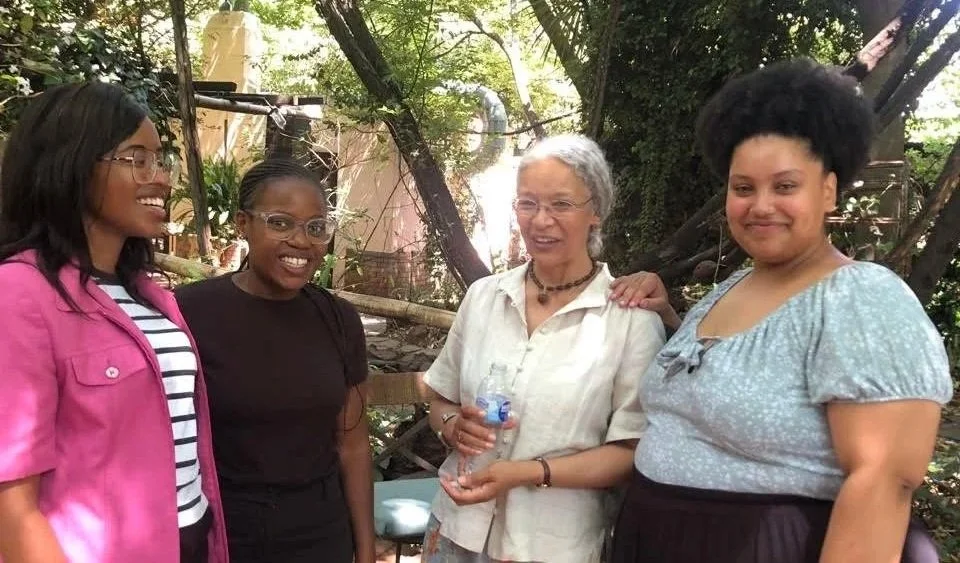
Her research seeks to contribute to more gender-responsive and trauma-informed approaches to social development, urban governance, and public health. She is committed to producing scholarship that is accountable to the communities with whom she works and that recognizes women’s everyday practices of care as central to the wellbeing and protection of women and children. Her long-term goal is to continue community-engaged research that strengthens care-based responses to gender-based violence and advances social justice for women and children in Southern Africa.
Antonnett Danah

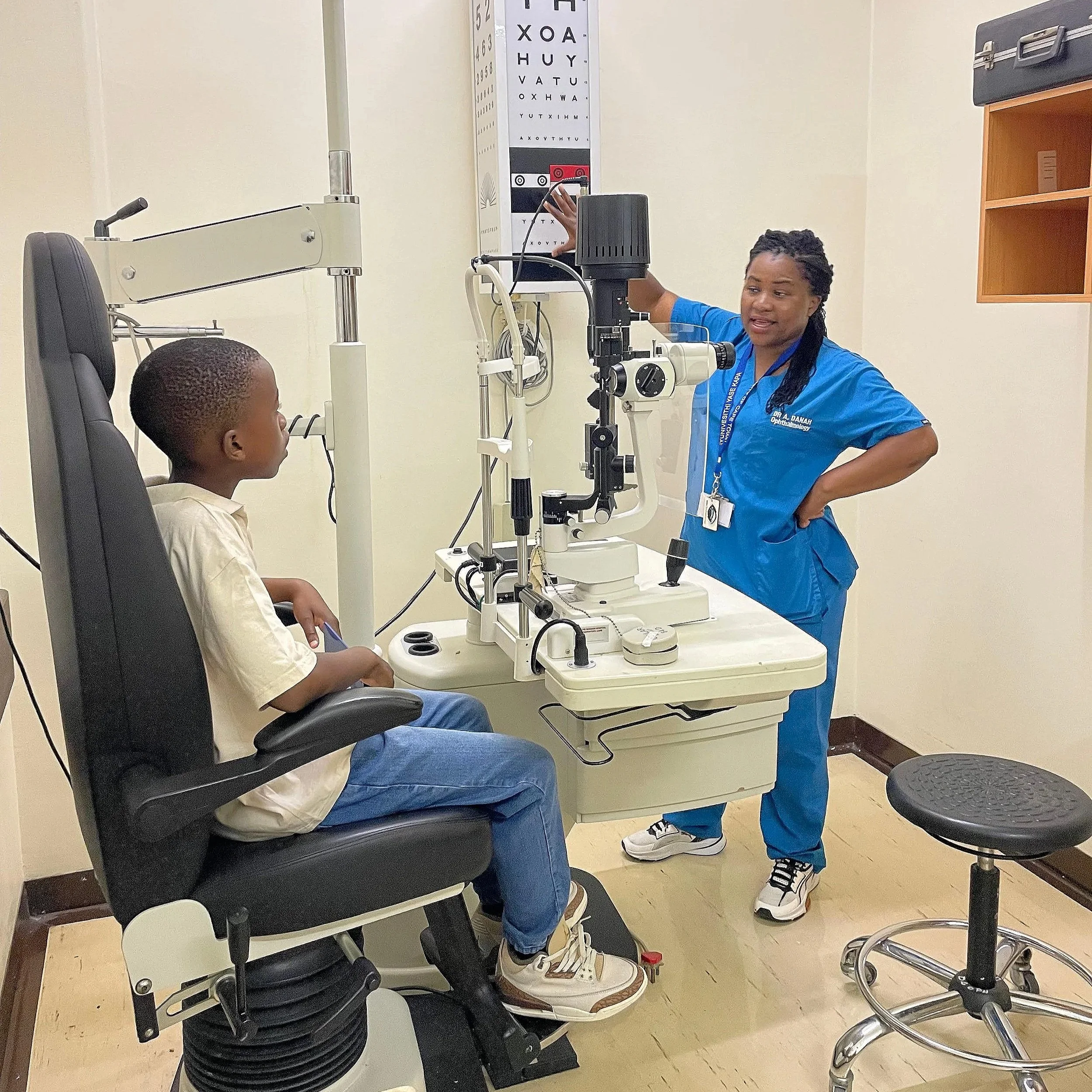
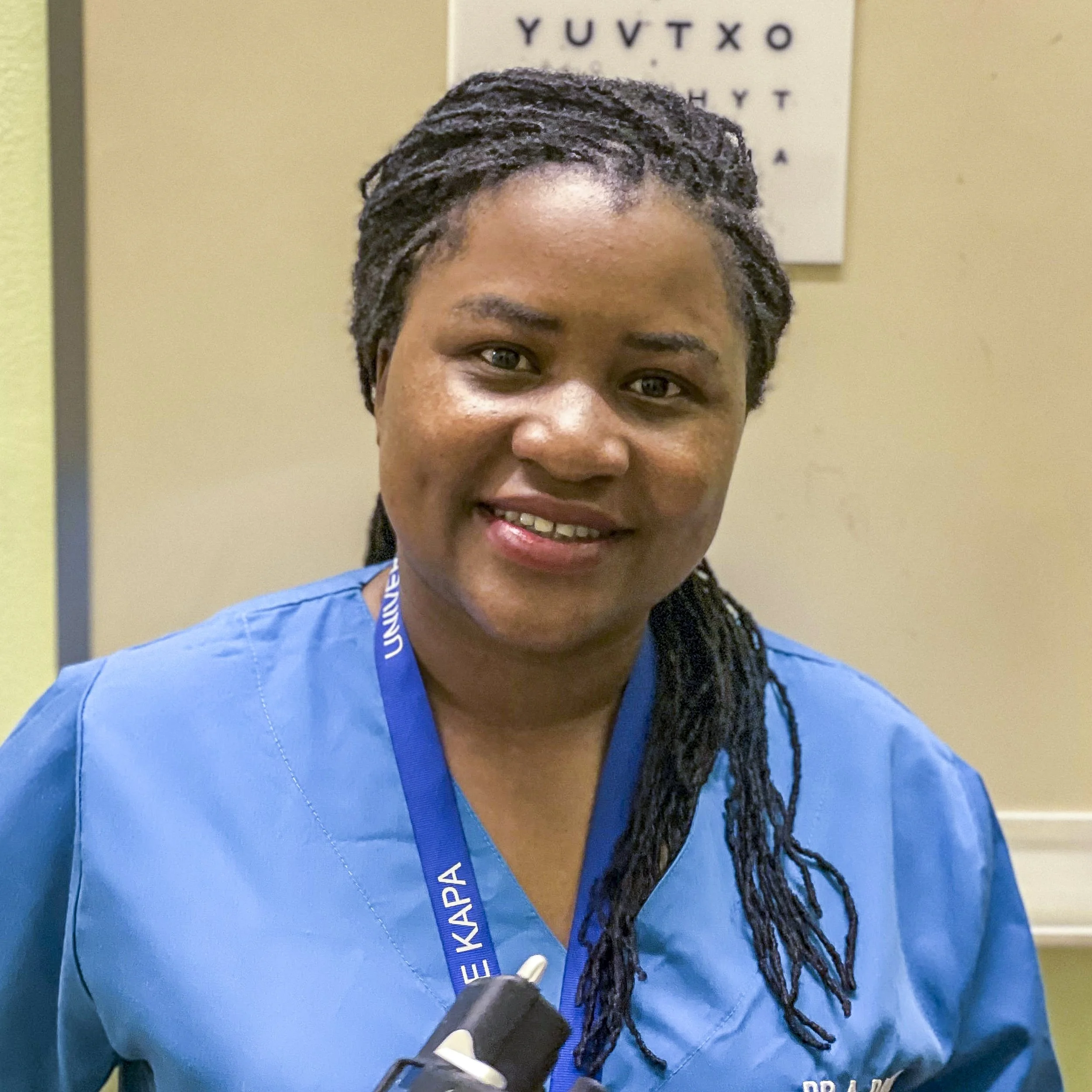
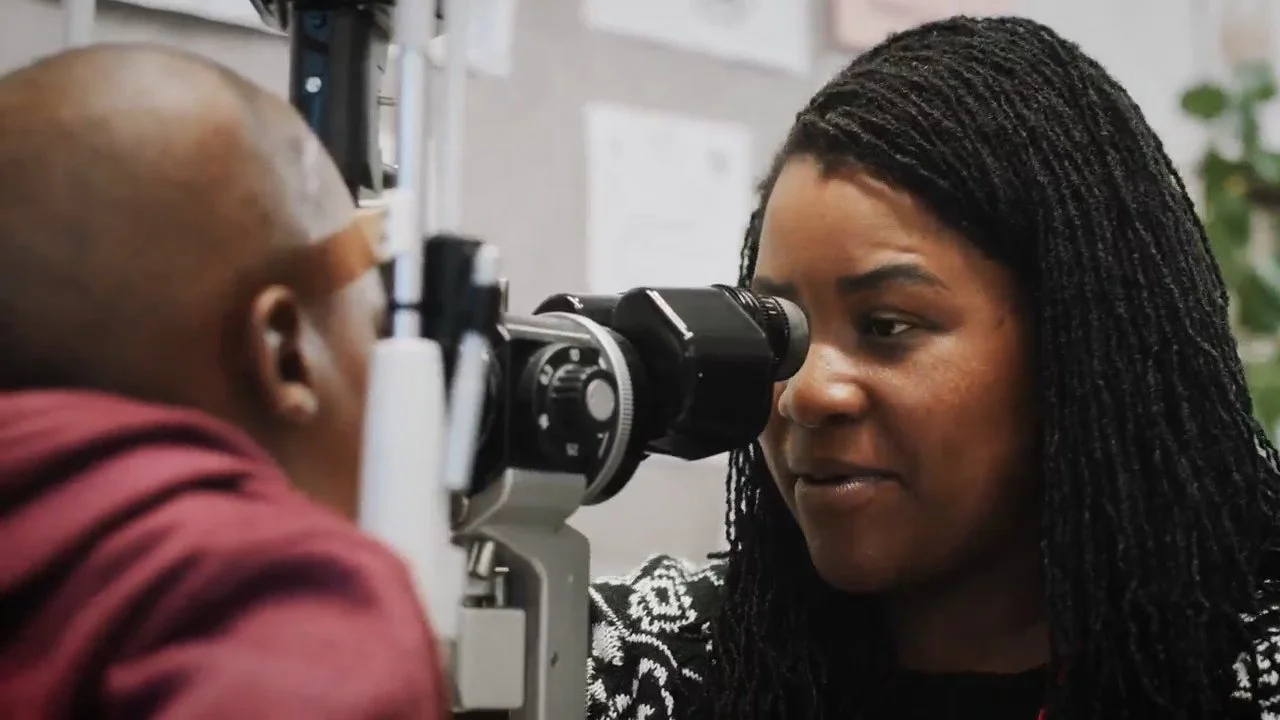
Antonnett DANAH, from Zimbabwe, is pursuing a master of medicine in ophthalmology at the University of Cape Town. As part of her training, she provides specialised eye care services to both Red Cross War Memorial Children’s Hospital (RCWMCH) and the Groote Schuur Hospital Ophthalmology department. Her research, currently underway at RCWMCH, examines the characteristics of severe eye injuries in children in South Africa. 

Antonnett advocates for the prevention and treatment of childhood eye injuries and diseases, which would otherwise result in childhood visual impairment and blindness, poor educational attainment, and psychosocial effects. While working in Zimbabwe, she noticed that childhood eye conditions had far-reaching consequences. It was often the mothers or grandmothers who brought the children to the hospital, having to travel far, and in the process, they would suffer from the associated loss of income. Some would also leave behind their other children unattended, putting them at risk of injuries and harm. Antonnett therefore hopes that her research will help inform and influence preventive and clinical guidelines relevant to low- to middle-income countries, as these are disproportionately affected by the shortage of paediatric ophthalmologists and the burden of childhood eye disease.

After completing her postgraduate studies, Antonnett aspires to establish a dedicated paediatric ophthalmology service in Zimbabwe, where she will continue to improve the quality of life of children with eye conditions. She wishes to collaborate with the government and non-governmental organizations, such as Specsavers, which support several eye programs. 

Lughano Ghambi

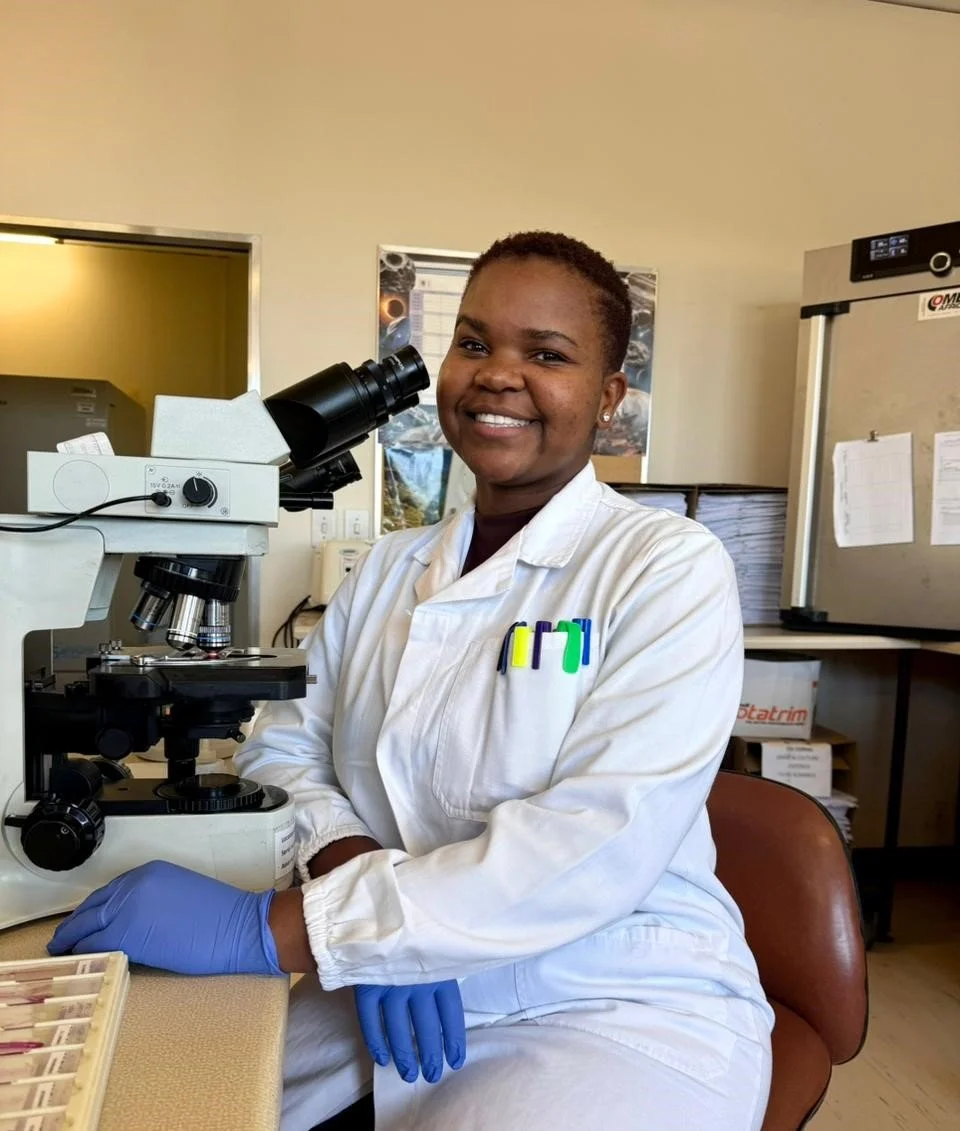
Lughano GHAMBI, from Malawi, is a medical doctor currently undertaking clinical specialization in medical microbiology at the University of Cape Town. She is an emerging leader in neonatal and child health infectious disease clinical research, including serving as Deputy Head of the Child Health Research Group. Her passion for improving infectious disease management among children and women, who are the most vulnerable populations, continues to drive her career trajectory.

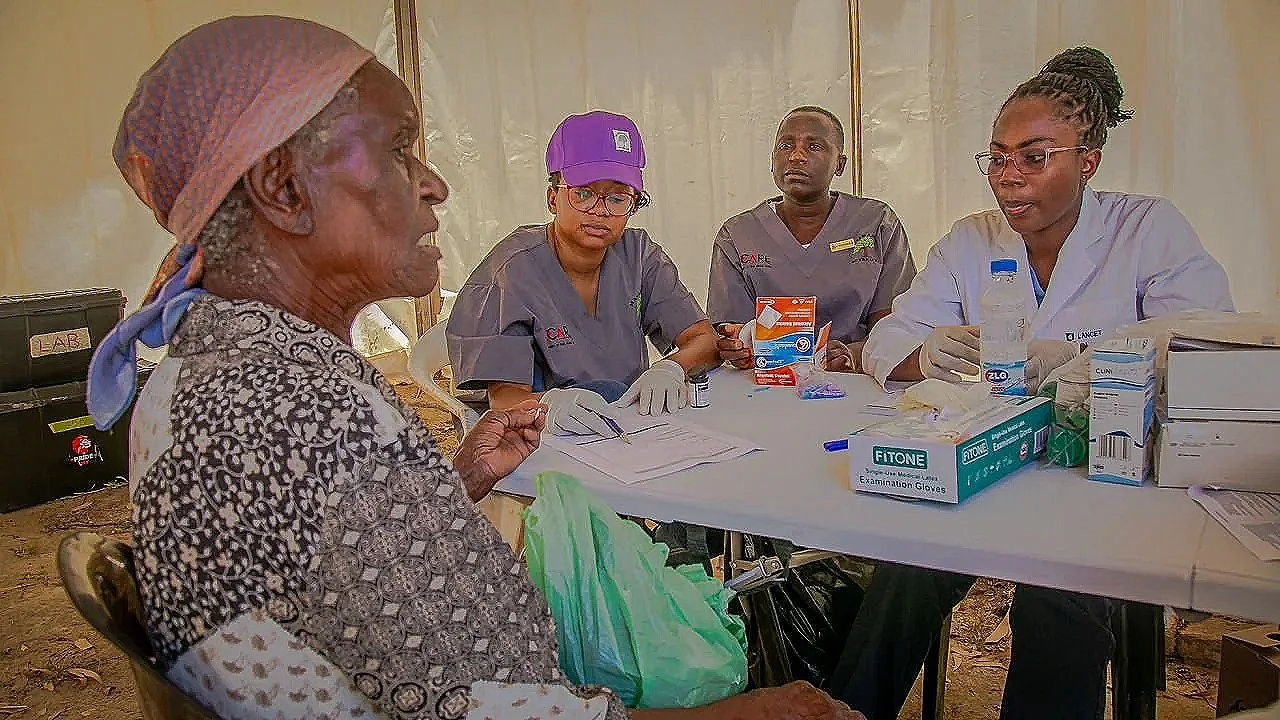
Before commencing her specialization, her research focused on identifying optimal empirical treatment for severe pneumonia in HIV-infected infants, as well as evaluating various diagnostic platforms to determine the etiology of pneumonia. In 2023, during one of the most devastating natural disasters in Blantyre, Malawi, she volunteered at under-age-five and antenatal clinics, providing care to affected families who could not access hospital care.

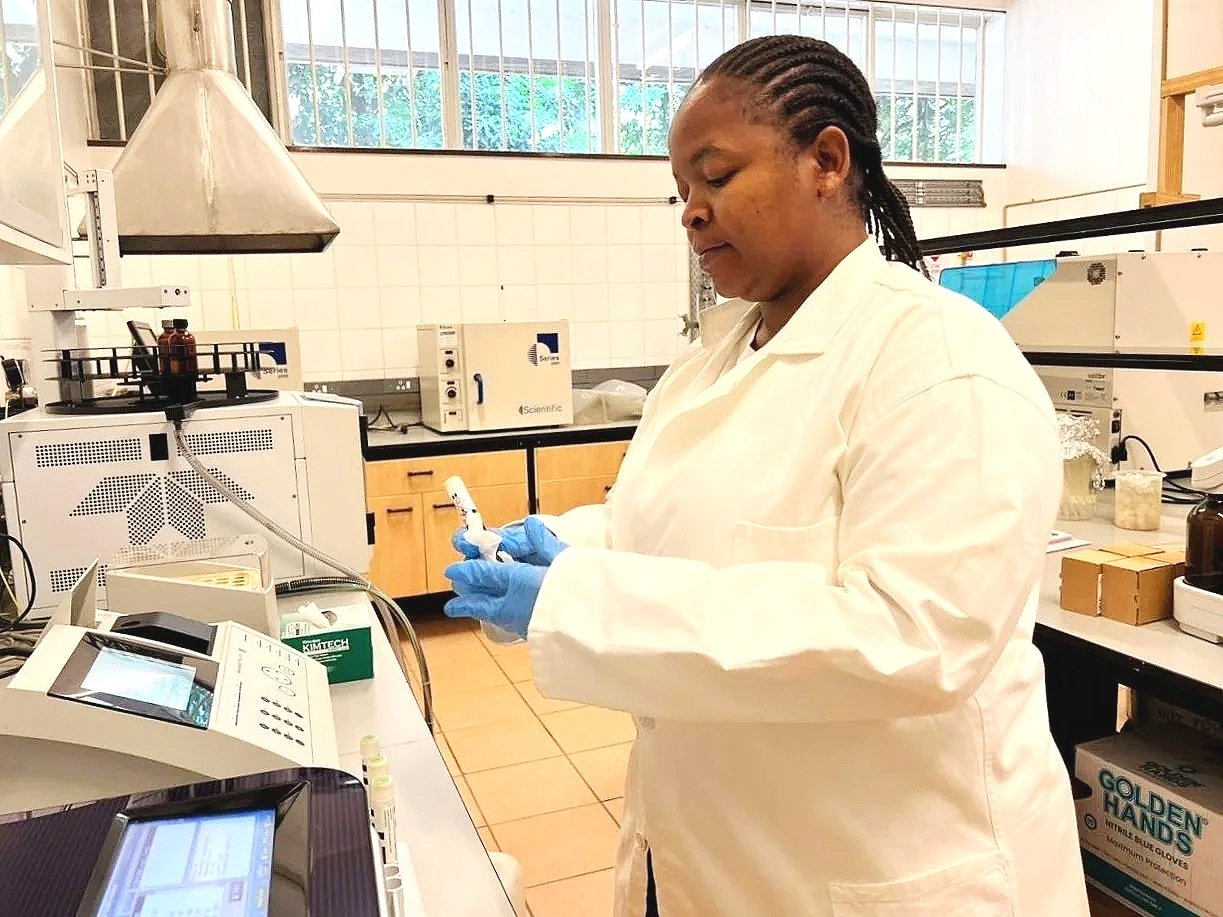
Her current research further explores the diagnostic feasibility of metagenomic approaches to improve pathogen identification in patients presenting with neutropenic fever. 

Looking ahead, Lughano aims to apply the skills and expertise gained during her training to strengthen the management of infectious diseases among women and children in Malawi, through enhanced diagnostics, evidence-based antimicrobial stewardship in central hospitals, and outreach antimicrobial stewardship programs in hospitals without access to a clinical microbiologist.

Reetisha Mehta

Reetisha MEHTA, from Tanzania, is a doctor of medicine graduate pursuing a master of public health in epidemiology and biostatistics at the University of Cape Town.

 Throughout her training in Tanzania and South Africa, she witnessed first-hand how lives were lost, not because of disease alone, but because of poverty and a failing health system. She observed that doctors can only care for patients who make it through the hospital doors, yet many never reached them, raising an important question: Why are so many people left behind?

Driven to find answers, she decided to focus her research on preventable delays along the cancer care pathway and how they affect survival among women diagnosed with cancer in low- and middle-income countries. Her work aims to fill a critical gap in understanding what happens to women after diagnosis, how long they are waiting to get treatment, and how it is affecting their survival.

Reetisha wants her career to be dedicated to ensuring no lives are lost due to treatment delays and that every person, regardless of their socioeconomic status, receives timely treatment.

Beyond this, her personal goal is to empower and support women financially. Many talented women are held back not by their ability but by lack of support. She hopes to create opportunities for these women to reach their full potential and inspire them to not shy away from disciplines traditionally dominated by men. 

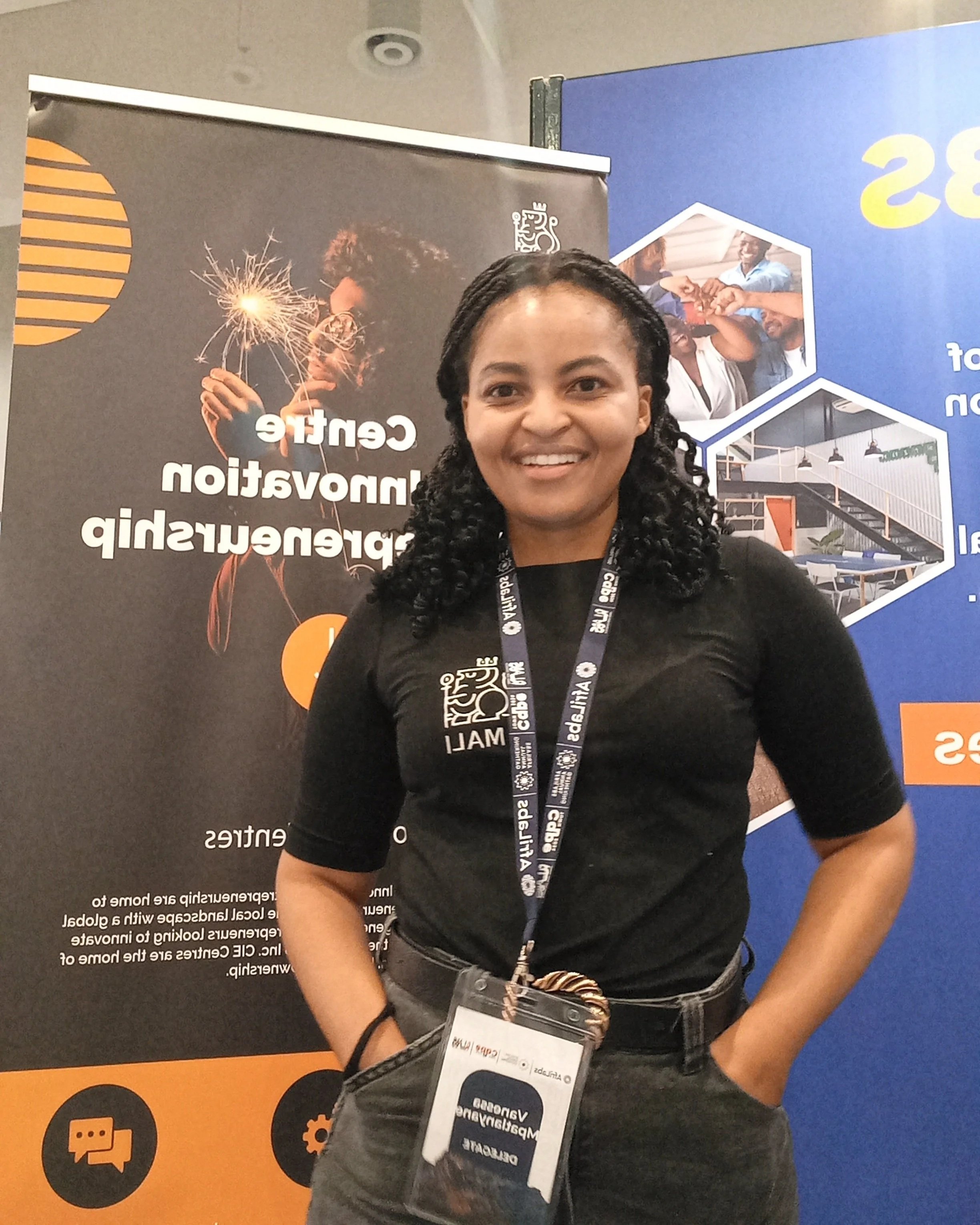
Vanessa Mpatlanyane

Vanessa MPATLANYANE, from South Africa, is a researcher and volunteer pursuing a PhD in Sociology at the University of Cape Town. Her research explores relations in black middle-class families. Through dynamic family narratives, her work showcases facets of African womanhood across generations. It shows how women and girls negotiate their own lives, make choices, explore opportunities, and deal with setbacks. By zooming in on the place of women and children in families and—more broadly—society, the aspects necessary to improve the lives of both come to the surface. 

Vanessa is co-founder of the Mammie Connect Initiative, which supports new mothers and children through dialogue and community. Additionally, she serves as a co-director and volunteer researcher for Ubusha Bami, a non-profit focused on creating educational entertainment on sexual and reproductive health (SRH) for 8–18-year-olds. Through this work, she creates SRH content that is youth-friendly, age-appropriate, and evidence-based. She is also in the South African Association of Women Graduates network, which supports young graduate women through various initiatives. She is a mentor and academic coach for the Aphrodite Global Initiative, which supports girls in rural Venda and actively fights gender-based violence. This work complements her role as part-time program lead at a technology incubator, Disruptors In Digital Spaces, which supports grassroots innovators, many of whom are women, mothers, and youth. In this position, she also helps hire more women, thereby increasing women’s visibility and presence in tech. 

Rumbidzai Mupfuti

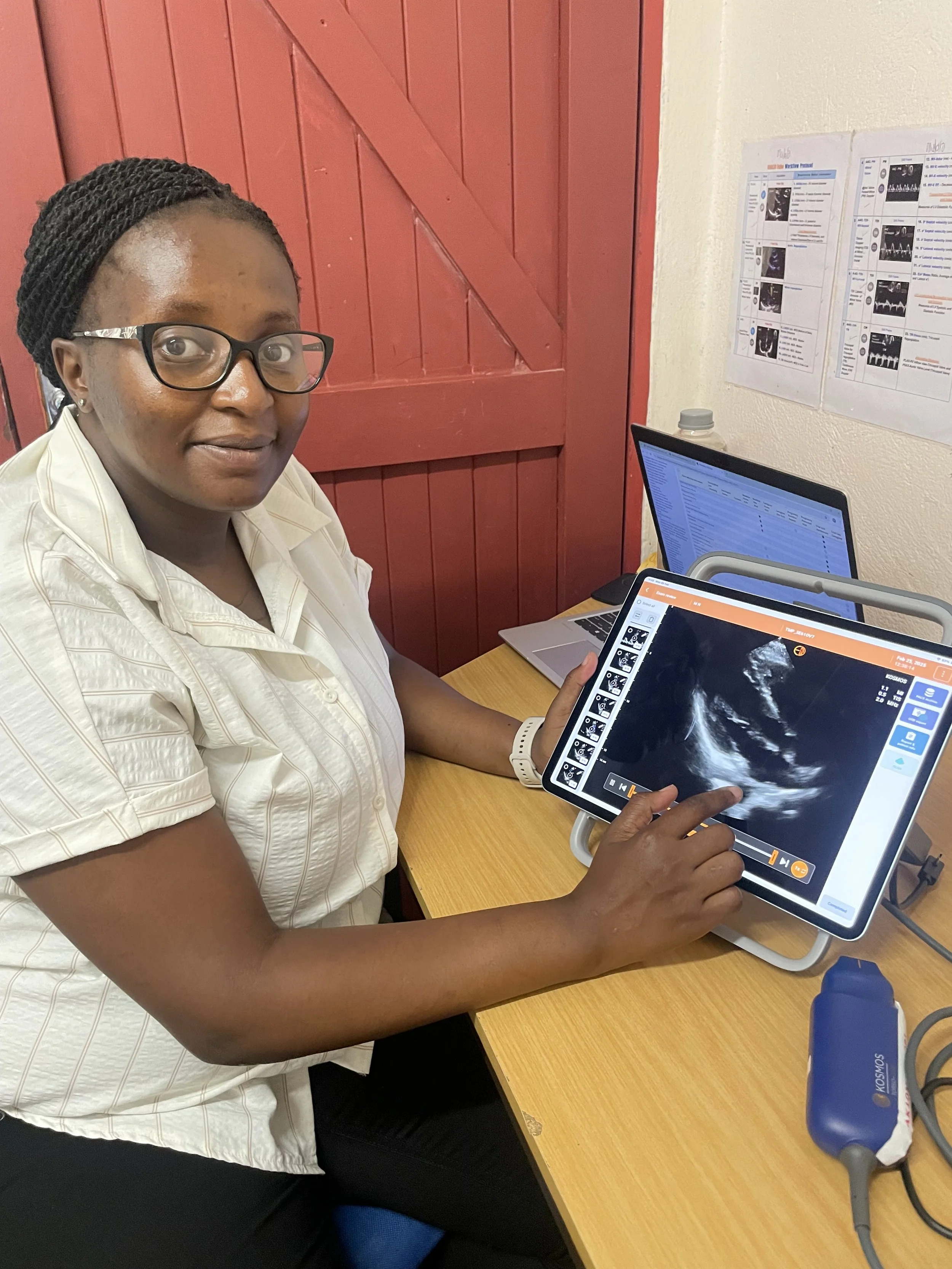
Rumbidzai MUPFUTI, from Zimbabwe, is a medical doctor and epidemiologist currently pursuing a PhD in public health at the University of the Witwatersrand. Her doctoral research focuses on multimorbidity in an aging population in rural north-east South Africa. Using advanced methods including machine learning, her work investigates how the epidemiological transition from communicable diseases to noncommunicable diseases has influenced mortality, physical functioning, and lived experiences in rural communities. Her work foregrounds rural older women—many of whom are HIV survivors, widows, and grandmothers caring for orphaned grandchildren, who continue to sustain families and communities while managing multiple chronic conditions requiring complex treatment and management.

 Rumbidzai is currently involved in a research project at the MRC/Wits Agincourt Research Unit , on the health and aging among middle-aged and older adults, an urgent and understudied issue in rural sub-Saharan Africa.  Part of the research also includes the use of AI-assisted echocardiograms and portable MRI in rural communities, which she is actively involved in.

 Beyond her academic work, she volunteers with the She Matters, supporting capacity building and mentorship for female undergraduate and master’s students in public health–related fields.

By integrating research, technology, mentorship, and policy-relevant evidence, Rumbidzai is committed to advancing health equity for women and children, strengthening rural health systems, and healthy aging across Africa.
Tumai Muzorewa

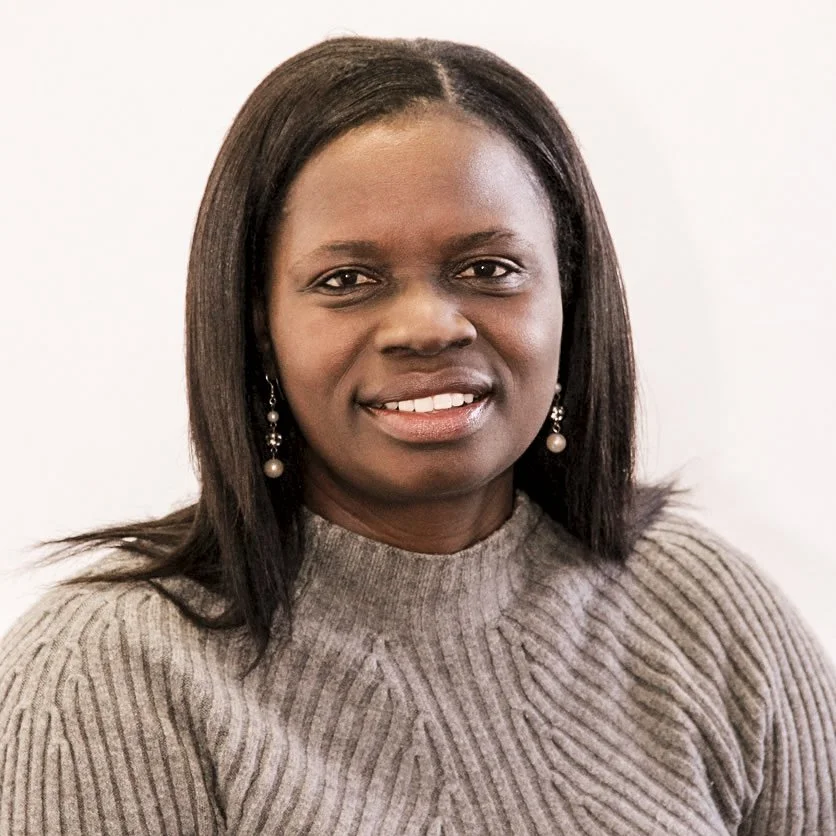
Tumai MUZOREWA, from Zimbabwe, is a human geneticist and PhD candidate at the University of the Witwatersrand who is advancing precision public health across Africa. Her research develops Africa-specific risk prediction models for cardiometabolic diseases (CMDs) by integrating African ancestry genetic data with lifestyle and environmental factors using AI. Working with data from over 12,000 individuals across east, west, and southern Africa, she challenges Eurocentric approaches that leave African populations underserved by global health innovation.
CMDs disproportionately affect African women, yet current Eurocentric risk prediction models perform poorly in African populations. This means African women face a higher disease burden while being underserved by tools designed to predict and prevent these conditions through targeted interventions. Tumai's research directly addresses this gap by developing models tailored to African populations. By enabling health systems to identify high-risk individuals before diseases progress, her work supports a shift from costly late-stage treatment to prevention. This has profound implications for maternal health: healthier mothers lead to healthier pregnancies, safer deliveries, and better outcomes for children.

As an affiliate of the Zimbabwe Young Academy of Science (2025–2030) and a 2026 fellow of the Falling Walls Foundation's Female Science Talents Intensive Track, she amplifies advocacy for African-led precision health innovation. As DS-I Africa 2026 Outreach and Partnership co-chair, she fosters strategic collaborations that connect data science and health organizations across Africa. She mentors scientists from late high school to postgraduate level in Zimbabwe, nurturing the next generation committed to health equity.
Sihle Nxumalo

Sihle A. NXUMALO, from Eswatini, is pursuing a PhD in civil and environmental engineering at the University of the Witwatersrand. Her research focuses on the barriers and enablers of the application of Decentralized Wastewater Treatment Systems (DEWATS) in low-income households in Gauteng, South Africa, and on implementing sustainable sanitation technologies that enhance the health, safety, and dignity of women. Women and children are disproportionately affected by poor sanitation and limited access to clean water. She aims to design community-based DEWATS initiatives that include training in wastewater management and reuse and that promote women's leadership and economic participation. These efforts will also inform gender-sensitive policies in infrastructure and environmental planning.  

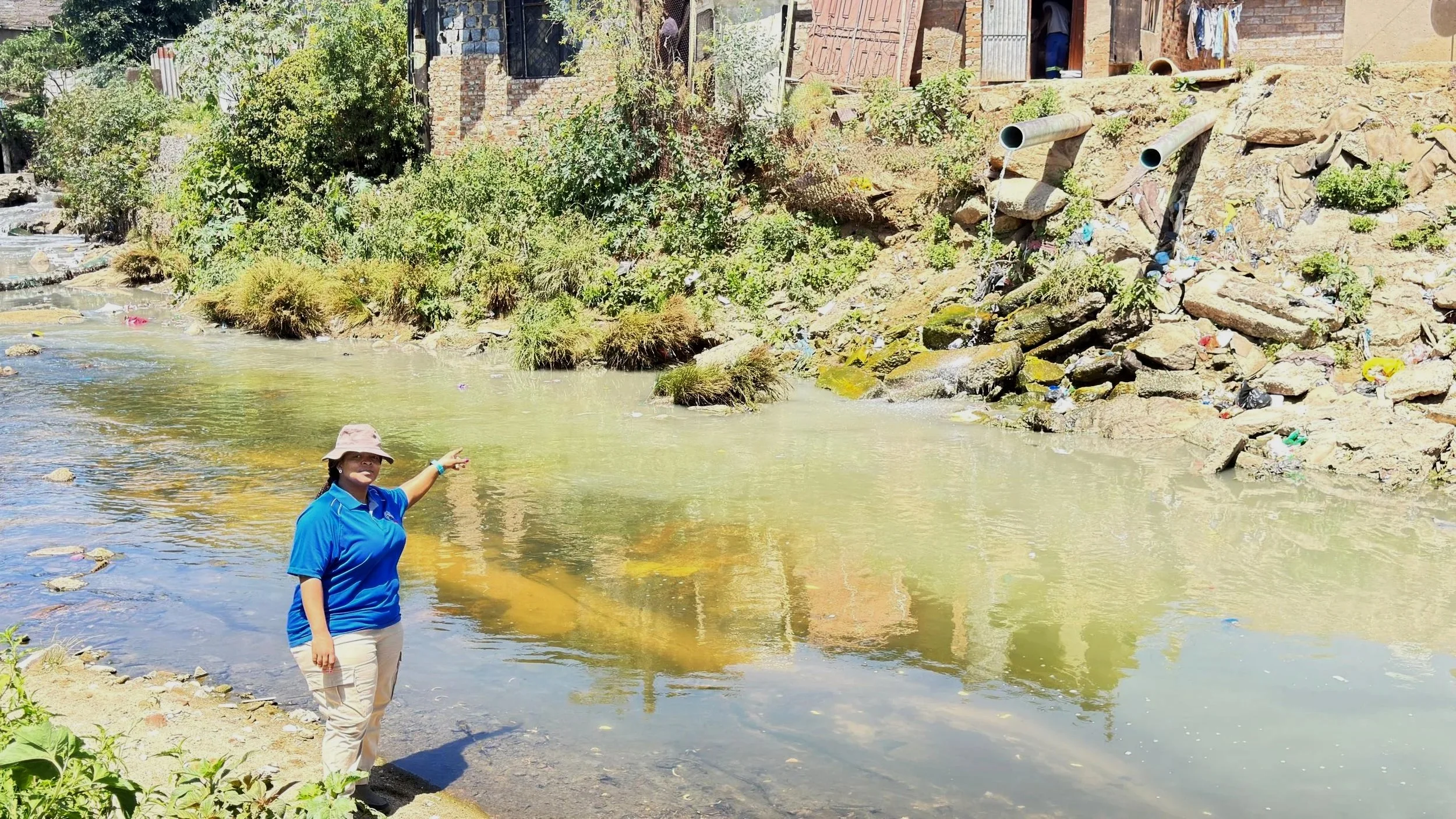
Identifying point source pollution

Sihle earned an MTech in civil and environmental engineering at Andhra University, India, in 2020, after which she was promoted to a lecturer position at the University of Eswatini. Since 2021 she has been providing career guidance in Manzini and Mbabane, focused on empowering young girls to pursue studies in science, technology, engineering, and mathematics (STEM) to enhance gender equality in the field and contribute to innovation that improves the lives of women and children. 

Nthabiseng Phalatse

Audio Block
Double-click here to upload or link to a .mp3. Learn more

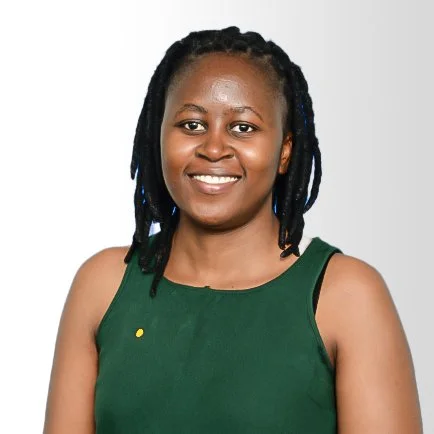
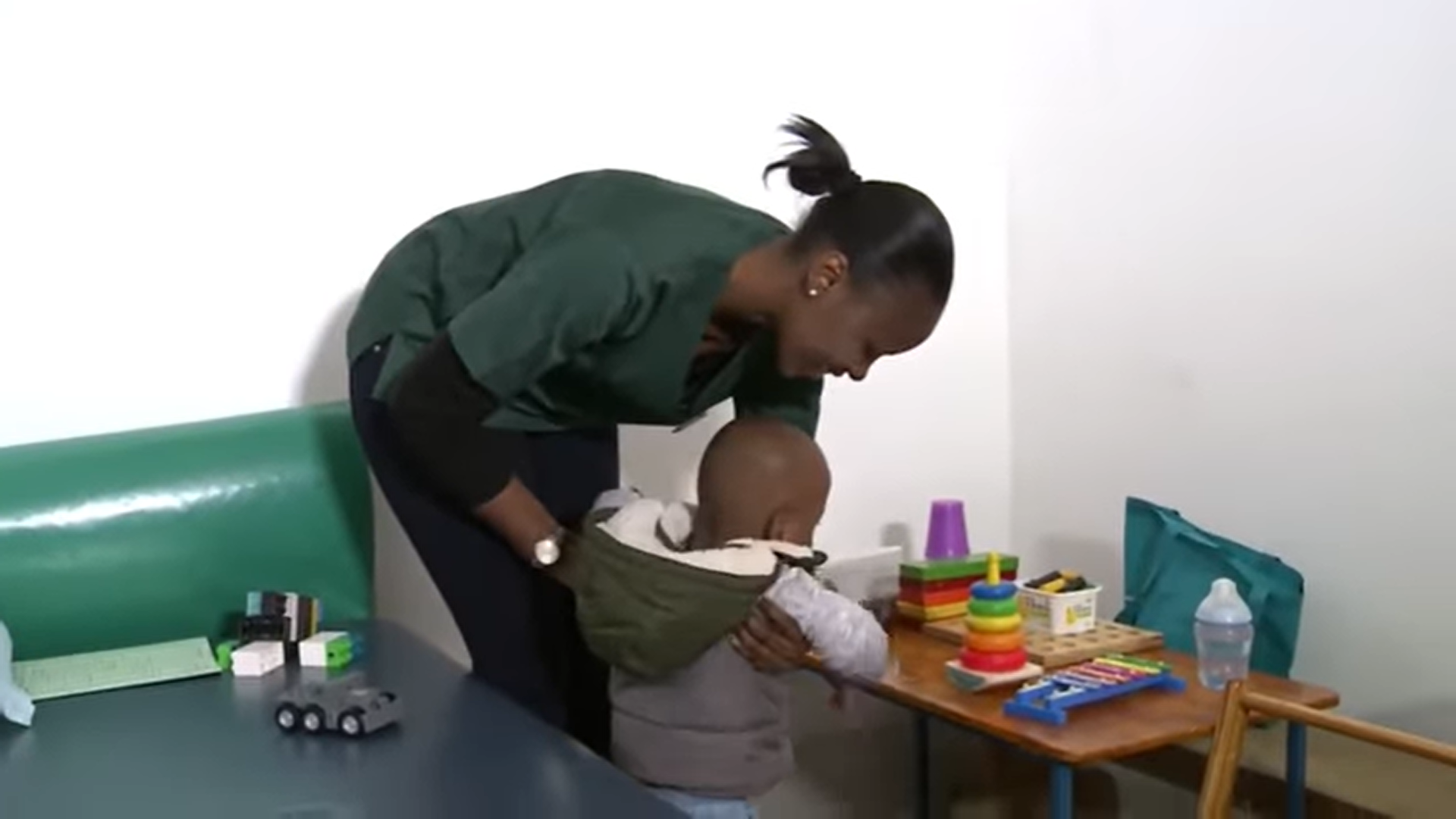
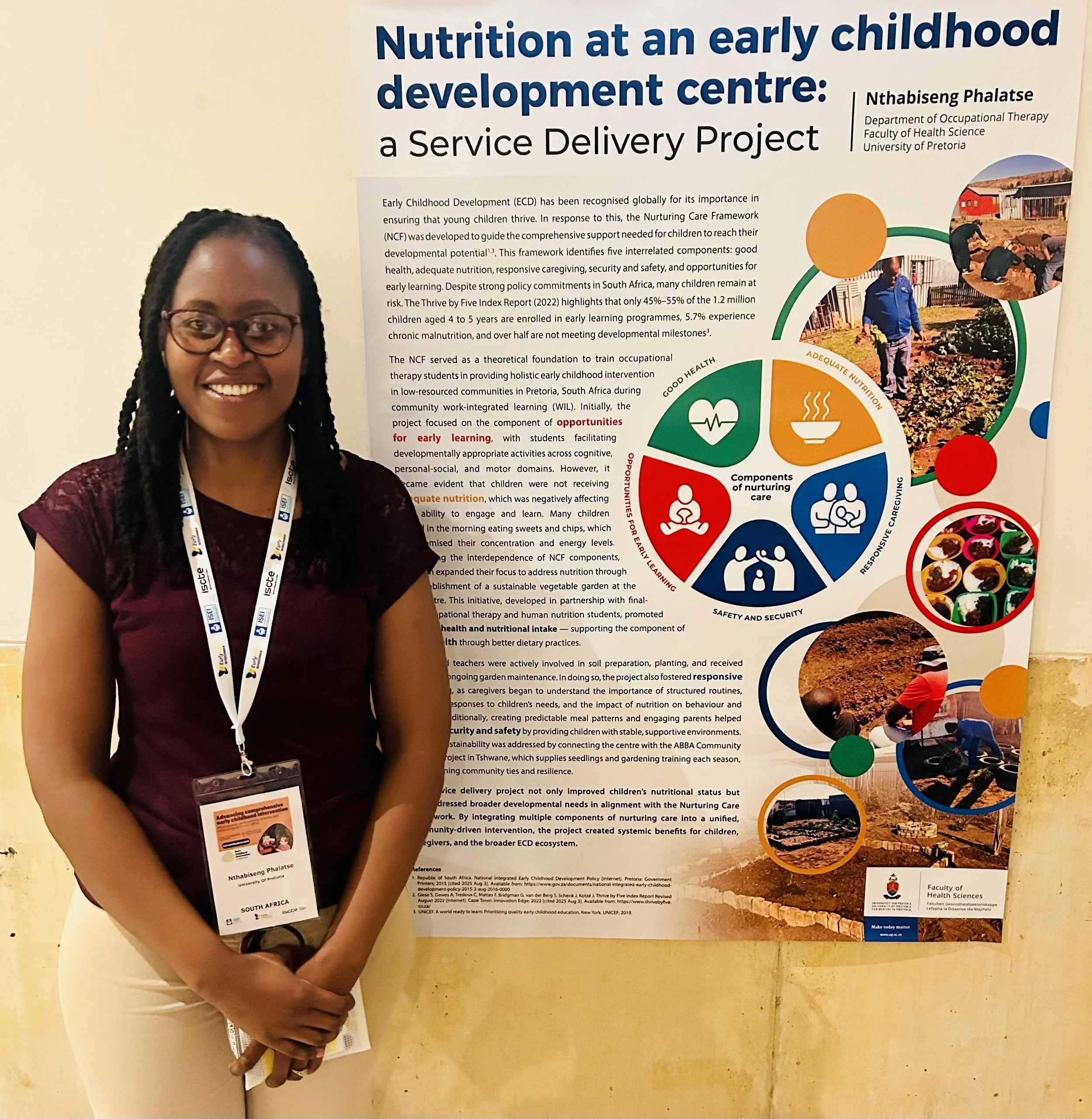
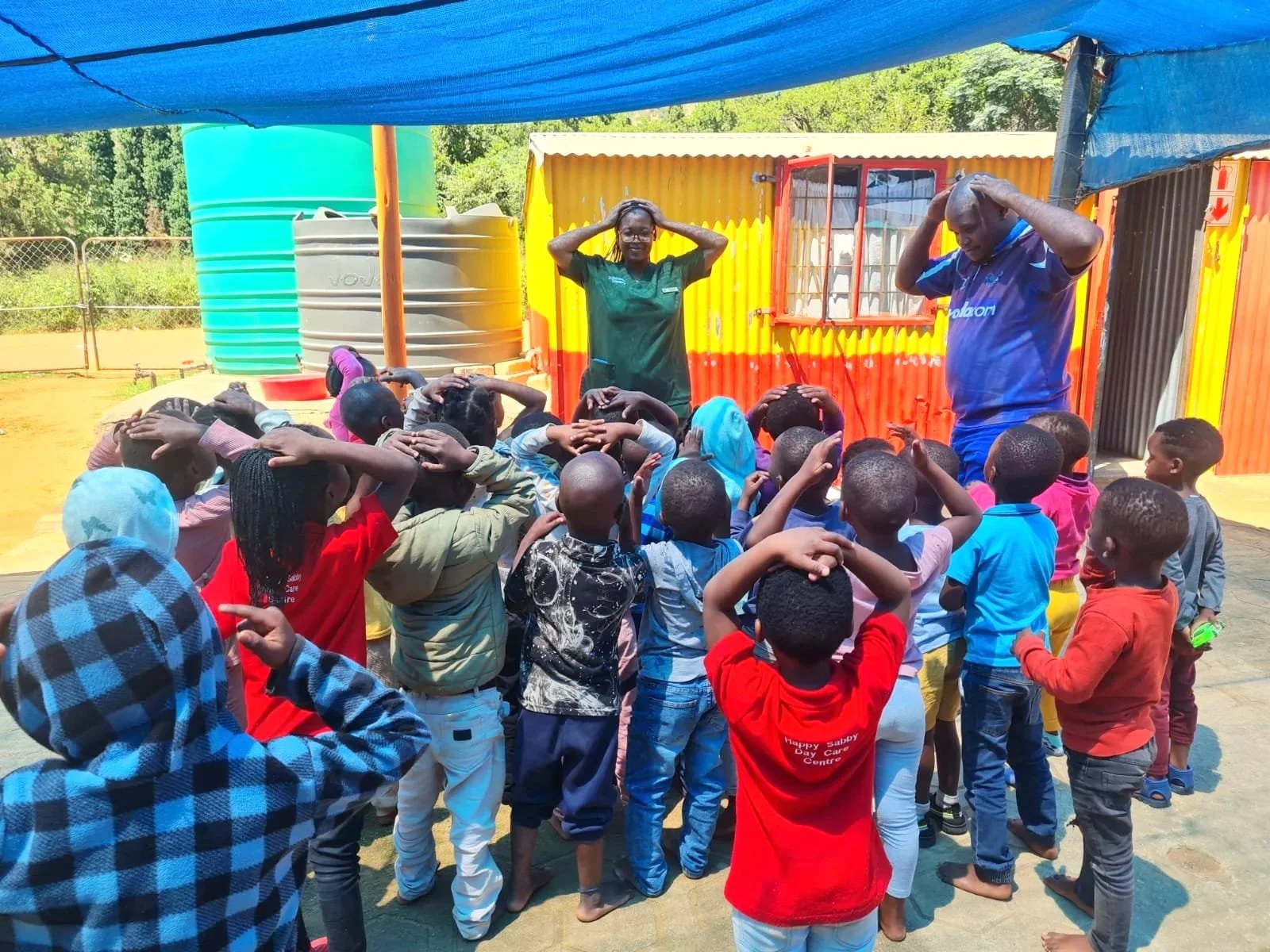
Nthabiseng PHALATSE, from South Africa,  is pursuing a PhD in occupational therapy at the University of Pretoria, focusing on developing and evaluating a context-specific early childhood development (ECD) resource guide for caregivers of children aged 3–5 years in low-resource communities. One of her supervisors, Prof. Karin van Niekerk, is a former MMEG recipient, reflecting a powerful legacy of women supporting women in advancing impactful scholarship.

Growing up in a low socio-economic environment herself, Nthabiseng witnessed first-hand how women and children can thrive when meaningful opportunities and support systems are created. From a young age, she assisted in caring for a family member with special needs, an experience that deeply shaped her commitment to improving the lives of vulnerable children and empowering their caregivers.

She is also a lecturer in the Department of Occupational Therapy at the University of Pretoria, contributing to undergraduate teaching and postgraduate research supervision. She has presented her work at early childhood intervention conferences, contributing to national and international dialogue on equitable early childhood development.

Her work centers on empowering caregivers, many of whom are women, with accessible, culturally relevant tools that enhance child development and school readiness. Her long-term goal is to advance early childhood intervention across Africa through research, teaching, policy advocacy, and sustainable community partnerships.

Denise Sproul

Denise SPROUL, from South Africa, is a dedicated clinician, academic, and researcher, as well as a proud wife and mother of two boys. She is pursuing a PhD in obstetrics and gynecology at Stellenbosch University. Her doctoral research explores caregivers’ and healthcare workers’ cultural beliefs and perceptions regarding safe infant sleep practices. This work aims to inform a simple, scalable intervention with the potential to prevent an estimated 2,500 infant deaths annually.

Denise  is passionate about teaching and capacity building and serves as a senior lecturer at Stellenbosch University. She completed her undergraduate medical training at the University of Cape Town and has cultivated strong academic interests in research methodology, reproductive health, and women’s health.

In 2024, Denise graduated cum laude with an MSc in clinical epidemiology from Stellenbosch University. Her previous research has been endorsed by the Global Evidence, Local Adaptation initiative, and the University of Stellenbosch, which supports the development of contextually relevant, evidence-based guidelines for newborn and child health in low-resource settings.

Denise has a longstanding commitment to professional development and leadership within her field. She served on the executive committee of the South African Association of Trainees in Obstetrics and Gynaecology for four years, first as communications officer and subsequently as president. She has also represented South Africa in the World Association of Trainees in Obstetrics and Gynecology and served as the International Federation of Obstetrics and Gynaecology (FIGO) trainee representative for South Africa in 2022.

Eunice Turawa

Eunice TURAWA, from Nigeria, is a PhD candidate in public health with a specialization in health information system strengthening at Stellenbosch University. Her doctoral training builds on her experience in health information systems in rural South African health facilities. Her research aims to strengthen compliance with the national District Health Management Information System (DHMIS) policy and standard operating procedures for HIV management processes.

 Eunice’s doctoral dissertation evaluates compliance with DHMIS standard operating procedures for HIV data management; identifies gaps affecting data completeness, reliability, and evidence-based HIV health services and policy; and aims to strengthen data governance in underserved healthcare facilities.

 Eunice is a clinical epidemiologist specializing in maternal and newborn health, with research interests in postpartum maternal morbidity, HIV service delivery, and the use of high-quality data to inform evidence-based HIV care. She collaborates with Cochrane systematic review experts to support WHO guideline development on surgical techniques for uterine closure during caesarean section.

 She plans to disseminate her PhD findings through peer-reviewed publications, international conferences, and policy briefs targeted at South Africa’s National Department of Health and district health offices. She plans to pursue interventional research and capacity-building initiatives to strengthen maternal and child health outcomes and HIV service delivery in underserved communities, while remaining committed to community engagement and the training and mentorship of future public health professionals.

Peris Wachira

Peris WACHIRA, from Kenya, is pursuing a PhD in economics at the University of Cape Town (UCT). Peris’s research explores gendered labor market dynamics in South Africa, focusing on earnings mobility and volatility and how instability in parental earnings influences children’s educational outcomes. 

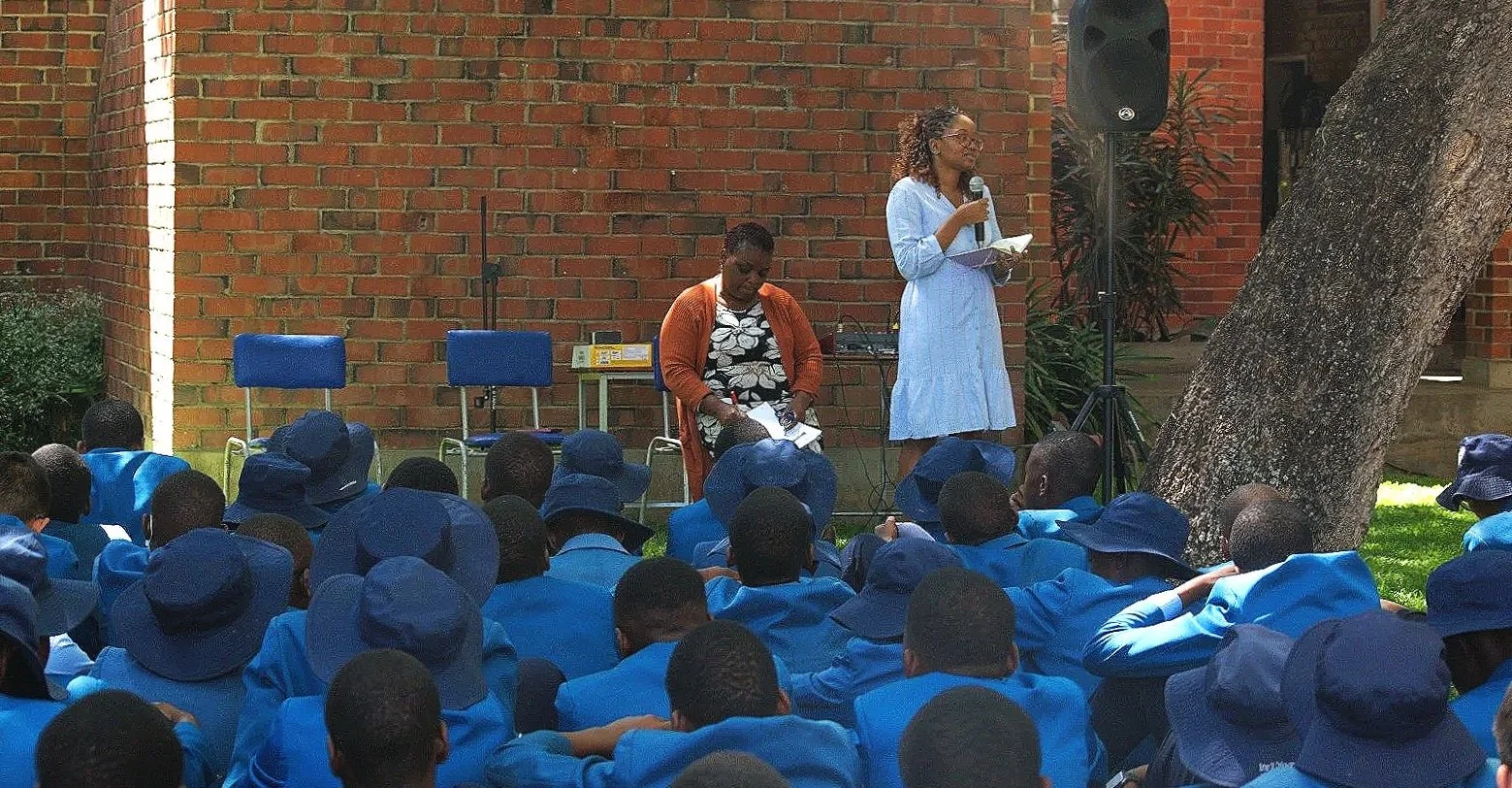
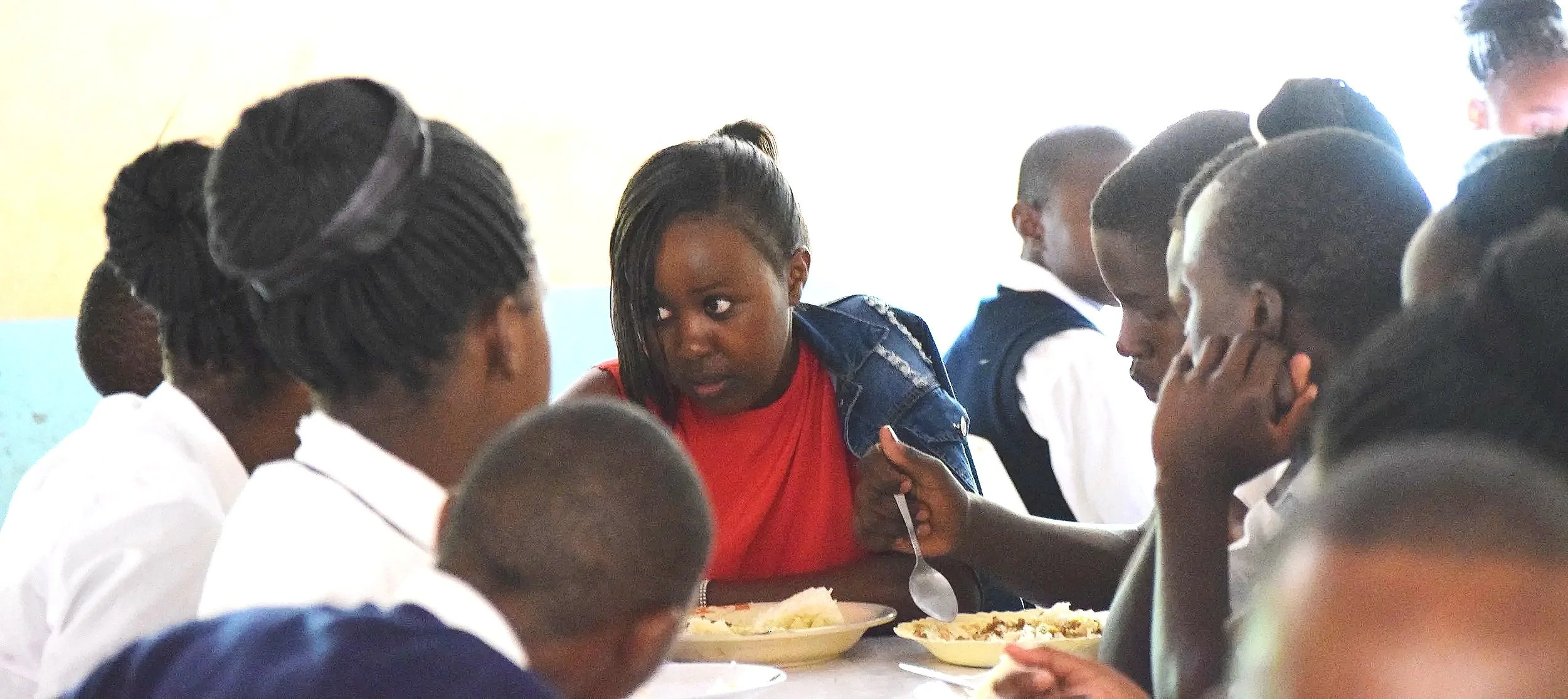
Born and raised in rural Kenya, Peris became the first girl in her village to obtain a university degree. Growing up, she witnessed challenges faced by women and children in her community, such as poverty, discrimination, hunger, child marriage, and limited access to healthcare and education, which inspired her to pursue a lifelong mission to empower women through education and inclusive policy.  She has helped girls escape child marriage and mentored women and schoolgirls, several of whom now hold university degrees.

Through the Econometrics Association of Kenya, Peris leads initiatives that bridge the skills gap for youth and women by providing training in research and data analysis software. She has also contributed to Expertise Global Institute projects, including innovative financing models for Kenya’s universal school feeding program, designed to keep millions of children in school. At the Kenya Institute for Public Policy Research and Analysis, she co-authored A Gender Approach to Unlocking the Potential for Sustainable Development in Kenya, shaping policies on gender equality and inclusive development.

Peris’s goal is to advance evidence-based policy that creates a world where no child must choose between survival and schooling and women do not face discrimination in the labor market. She plans to establish an organization that will mentor and empower rural women and girls.