Yanga Dipa

Yanga Dipa, from South Africa, is currently completing her master’s degree in human rights law at the University of Cape Town (UCT). 
In 2021, she completed her Bachelor of Law degree  and began working for  HEYBABY , a research study led by UCT’s Centre for Social Science Research and the Accelerate Research Hub focused on adolescent mothers and their children. Engaging with hundreds of young mothers, Yanga gained insights into their lives, the barriers that they and their children face, and factors that inspire resilience. In 2023, she then formed part of the Khanyisa Ngemfundo study, which engaged with rural and peri-urban secondary schools in the Eastern Cape province of South Africa to develop and launch a toolkit to assist educators in supporting the return and retention of pregnant and mothering learners in secondary schools.

Continuing her work in research and advocacy for the support of adolescent mothers’ education in sub-Saharan Africa, in her postgraduate legal studies Yanga has begun exploring these issues through legal research with a policy and rights perspective. She hopes to make a case for much-needed, improved state intervention providing structural, social and financial support to adolescent mothers to complete their schooling and achieve a greater quality of life for themselves and their children. Ultimately, her work would help end cycles of poverty. Her studies are the foundation for what she hopes will be a life-long career championing the rights of children and young women.

Tasleem Hassim

Tasleem Hassim, from South Africa, is a Stellenbosch University-trained obstetrician and gynecologist. She is currently sub-specializing in maternal-fetal medicine at Tygerberg Hospital in Cape Town. She is driven by a strong desire to reduce the maternal morbidity and mortality rates in low-income countries that are directly linked to risk factors such as hypertension, diabetes, and post-partum hemorrhage. She was involved in heading up the Covid-19 response team in the obstetric critical care unit at Tygerberg Hospital during the pandemic.

Her MMed research investigated an affordable intra-uterine balloon tamponade device to manage post-partum hemorrhage, especially for use in countries with limited resources.  She is currently doing her Mphil research on the use of HBA1c levels in patients with pre-existing diabetes as a predictor of pregnancy and neonatal incomes in a limited resource setting. She currently serves as a maternal death assessor for the National Confidential Enquiry into Maternal Deaths. She volunteers at SHAWCO, a University of Cape Town–student run women’s health clinic that primarily serves asylum seekers and refugee women. She has a strong connection to the struggles that the community of South Africa face and will do everything in her ability to improve maternal health in South Africa and reduce maternal morbidity and mortality.

Patience Manjengwa

Patience Manjengwa, a public health specialist from Zimbabwe and PhD candidate at the University of Pretoria, is a dynamic leader in epidemiology. With over a decade of experience, she works with the US Centers for Disease Control and Prevention in South Africa, spearheading innovative HIV prevention programs for key and vulnerable populations. Her efforts have driven the world’s largest PrEP (pre-exposure prophylaxis) rollout and introduced cutting-edge HIV testing strategies.

At the onset of COVID-19, Patience stepped up as a senior epidemiologist, facilitating the rollout of contact tracing programs for community health workers and transitioning the process to include hospitalization reporting for patients. Her swift and strategic response played a vital role in mitigating the pandemic’s impact in vulnerable communities.

Patience is deeply dedicated to empowering marginalized communities. She founded LittleSprogs Association, an NGO that tackles poverty’s impact on women and children by providing essential resources and championing equitable healthcare. Additionally, she volunteers her time to offer psychosocial support to survivors of domestic violence.

Rooted in her experiences growing up in rural Zimbabwe, Patience is dedicated to addressing health disparities in marginalized communities. Her doctoral research employs Discrete Choice Experiments to explore men's preferences in HIV services, aiming to enhance male engagement and improve health outcomes for women—addressing a critical blind spot in epidemic control. She aims to influence policies and design culturally relevant interventions, positively impacting millions of women across Africa by promoting shared responsibility in health and equitable healthcare access.

Miranda Mpeta

Miranda Mpeta, from Zimbabwe, is a researcher and PhD candidate in chemical engineering at the University of Pretoria. Her research explores innovative bioleaching techniques to recover gold from problematic mine wastewater and tailings, prioritizing environmental sustainability by reducing cyanide and advancing a circular economy for women in mining through value-added products. With a master’s degree in sanitary engineering, Miranda is well-versed in industrial waste management and mining environmental implications. Her upbringing in Zimbabwe, where mining is both economically vital and environmentally destructive, inspired her to pursue sustainable mining solutions. She has witnessed first-hand the hardships faced by women and children in mining communities, which drives her commitment to equitable and sustainable practices.

Passionate about empowering women in mining, Miranda collaborates with the Zimbabwe Association of Women in Mining Associations (ZAWIMA) She participates in knowledge exchange between female miners and experts, and supports education of sustainable mining practices, often addressing the disproportionate impact on women and children. She leads community projects on improvement of clean water access, responsible mining, and sustainable practices to create a safer environment for children in mining communities. Miranda also mentors young girls in STEM and has served as a patron for Women in Engineering at Chinhoyi University of Technology.

Her future plans include influencing environmental policy in Zimbabwe and empowering women she has been working with across Anglo-African and Caribbean countries with transformative mining solutions, bridging the gap between innovation and practical implementation to create lifelong change.


Min’enhle Ncube

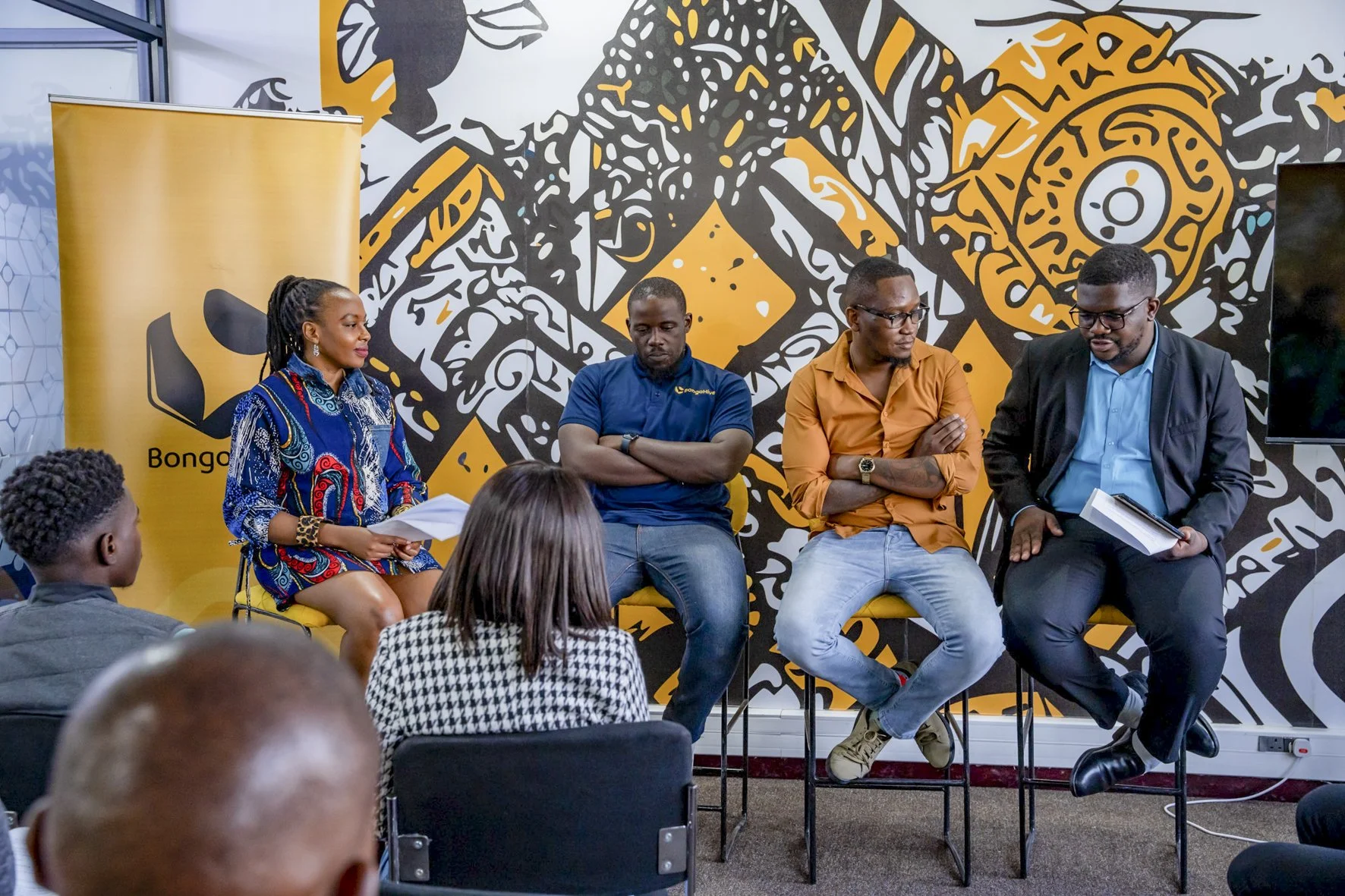
PhD researcher at the University of Cape Town, Min’enhle Ncube is a Zimbabwean anthropologist exploring the intersection of maternal health, data, and artificial intelligence. Her doctoral research, supported by ethnographic fieldwork in Zambia, investigates how startups deploy digital technologies and artificial intelligence (AI) to improve maternal health. Her findings reveal critical data practice gaps, including unrepresentative datasets used in low-resource settings.

Throughout her postgraduate studies, Min’enhle’s core focus has been maternal health, early childhood health, and similar topics in medical anthropology. Her current research trajectory was inspired by her experience as a social scientist at HighTechXL in Eindhoven, Netherlands, where she applied user experience (UX) methodologies to bridge the gap between emerging technologies and end-user needs.

Recognizing the challenges women face in Zambia such as the lack of mobile devices and unrepresentative data, Min’enhle partnered with the Mozilla Foundation to launch Artificial Intelligence in Maternal Health in Zambia (AIMZ). This initiative supports startups like Dawa Health in improving data collection practices and enhancing UX for mobile technology aimed at maternal health care. Her work seeks to ensure that AI-driven health innovations are grounded in local contexts and inclusive of underserved populations.

After completing her PhD, Min'enhle plans to harness technology for social impact in Southern Africa, improving the lives of women and youth by collaborating with aXessPoint, a scale-up specializing in streamlining property communication and collaboration. Together, they aim to adapt the platform for use in Eswatini and Botswana, ensuring its technology addresses the unique needs of these communities.

Ritshidze Nenweli

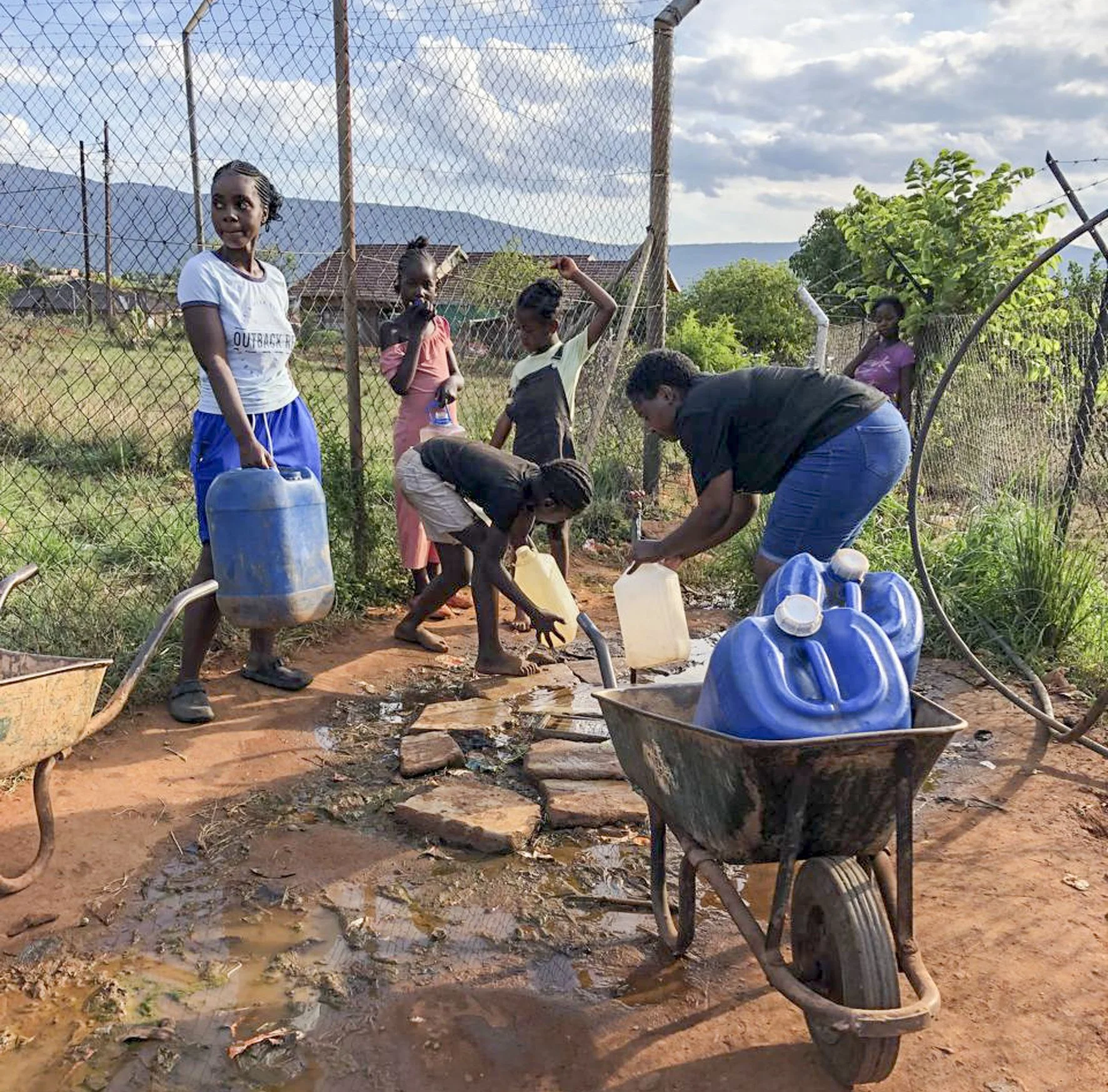
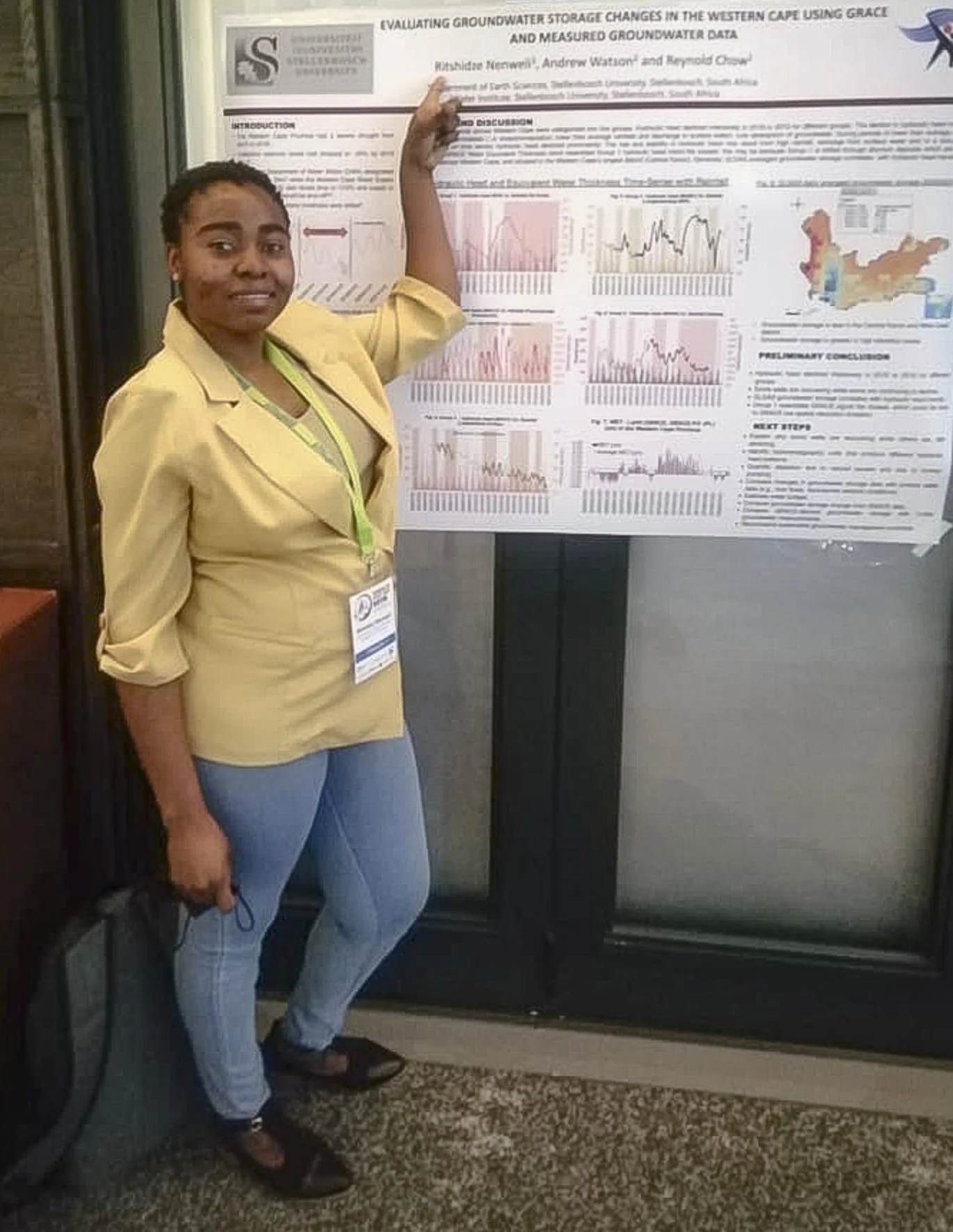
Ritshidze Nenweli, from South Africa, is a PhD student in earth sciences at Stellenbosch University dedicated to improving water resource management in South Africa. Her research focuses on downscaling GRACE satellite data to enhance groundwater monitoring in water-scarce regions, aiming to provide more reliable access to clean water, particularly for women and children. Water scarcity disproportionately affects women and children, who often bear the burden of collecting water, impacting their health, education, and opportunities.

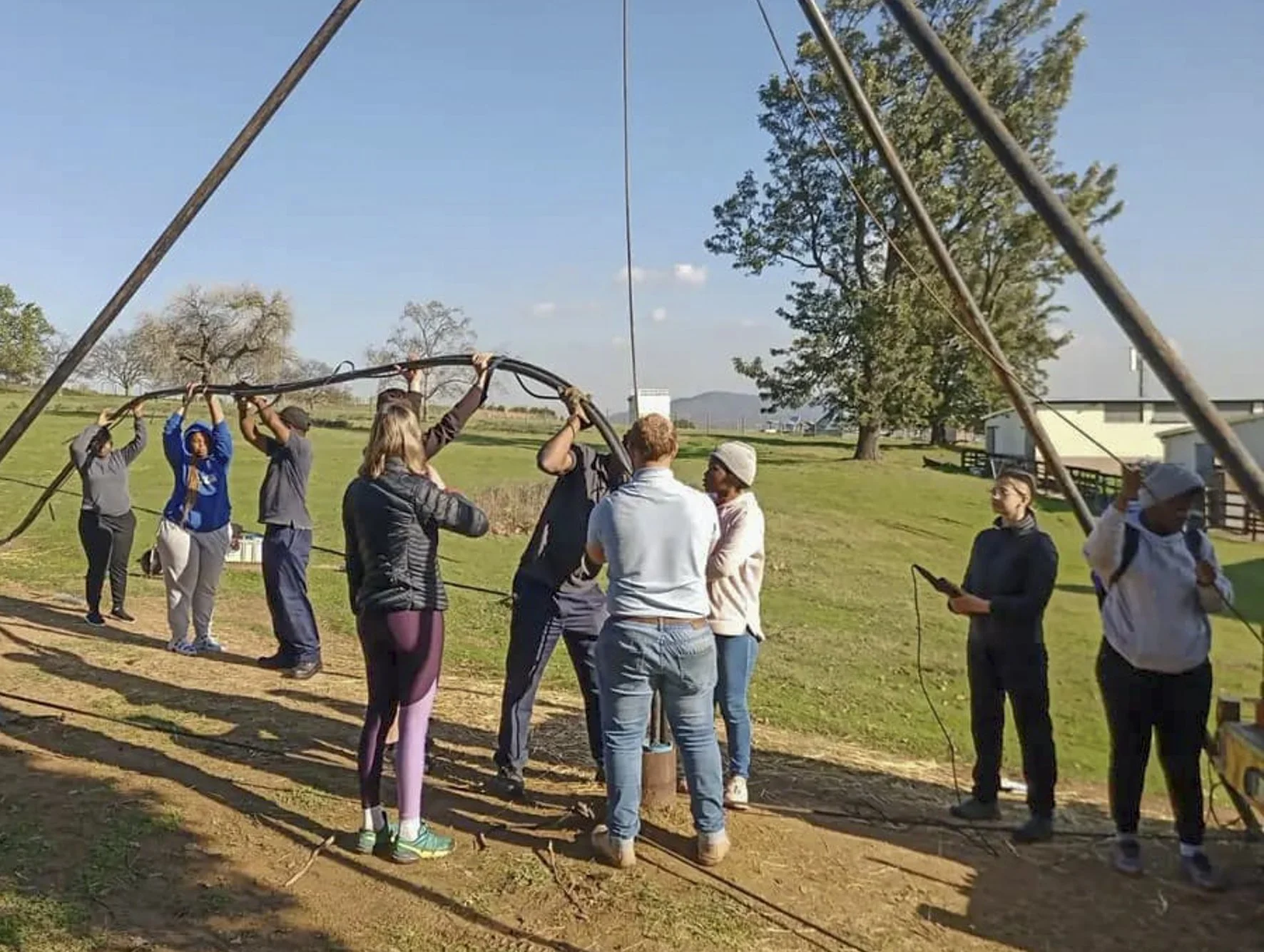
Ritshidze’s work seeks to equip policymakers and local communities with tools to address these challenges through sustainable water management solutions. She has also published a paper titled "Is groundwater running out in the Western Cape, South Africa? Evaluating GRACE data to assess groundwater storage during droughts" in the Journal of Hydrology: Regional Studies. In addition to her research, Ritshidze is committed to education and mentorship. She has tutored hydrogeology to undergraduates and assisted in field courses, helping students gain practical skills. Her dedication to knowledge-sharing is evident in her presentations at key conferences, such as the International Association of Hydrogeologists South Africa virtual conference and the 17th Biennial Groundwater Division Conference.

With support from the Margaret McNamara Education Grant and the South African National Research Foundation, Ritshidze can focus on her studies while working towards improving the lives of women and children in South Africa. She believes that access to clean water is vital for improving health, reducing poverty, and fostering opportunities for future generations.

Rialivhuwa Netshithothole

Netshithothole Rialivhuwa Tertia, from South Africa, dreams of becoming a gender expert, fighting for marginalized and subordinate groups, and educating others on how to acknowledge their human rights and use them responsibly. She gained more insight in social science research in 2023 when employed by the Limpopo Department of Social Development as a researcher on a research project titled: “Factors influencing the rising incidence of gender-based violence and Femicides in Limpopo Province.’’ Rialivhuwa is passionate about inspiring and empowering other women in her community and beyond to fight for gender equality in all spheres of life.

Growing up in poverty, Rialivhuwa always saw education as a way out. She is currently enrolled in a master's in gender studies at the University of Venda. Her current research project is exploring factors limiting women’s participation in Indigenous cattle farming practices. She is also a GreenMatter Fellow, mentor, motivational speaker, and career advisor, to name a few. Rialivhuwa uses her own resources to assist students with university/college, leadership, and bursary applications.

Upon realizing how women and girls are neglecting education, discriminated against, and abused in her community, Rialivhuwa decided  to establish an empowerment center for women and girls to tackle issues related to gender inequalities, empowerment, and self-development. The center will provide educational, health, psychological, and computer literacy services to women and girls in the surrounding areas. 


Mercy Hombakazi Nqandeka

Assisting on the building of sanitation structures at a school in Elliotdale.

Mercy Hombakazi Nqandeka, from South Africa, is pursuing her PhD at Stellenbosch University’s Faculty of Medicine and Health Sciences. Growing up in a rural community shaped by cultural traditions and socio-economic challenges, Mercy developed a passion for exploring resilience within indigenous knowledge systems. Her PhD research focuses on the perspectives of AmaBomvana healers, a subgroup of AmaXhosa, examining their contributions to health and well-being amidst modern challenges.

Mercy holds a double master’s degree in agricultural climate change transition from the University of Galway, Ireland, and SupAgro Montpellier, France, and a bachelor’s degree with honours in crop and soil science from the University of Fort Hare. Currently, she serves as the interim executive officer manager for the Vice Chancellor’s Office at the University of Fort Hare, balancing administrative responsibilities with her academic pursuits.

Book signing and interaction at the Kingsmead Book Festival in Johannesburg, 2023. Among other topics, the book explores the role of Xhosa women in their culture, critiques their current oppression, and proposes paths toward empowerment and equality.

Mercy is an accomplished author, with three books to her name: The Dissonant Rainbow (2019), To My Young Self (2020), and Don’t Upset ooMalume: A Guide to Stepping Up Your Xhosa Game (2022). Through her writing, she amplifies cultural narratives, gender issues, and rural livelihoods. Beyond academia and authorship, she founded Homba Crafts, a bead-making company celebrated for its beaded stethoscopes that blend cultural artistry with practicality, while empowering rural women to preserve the endangered craft traditions of the Xhosa people.

https://bulungulaincubator.org/

https://www.equalitycollective.org.za/

Farhanah Sallie

Farhanah Sallie is a South African PhD candidate specializing in neurophysiology and psychology, with a primary focus on mental illness. Socioeconomic challenges in South Africa leave many groups, especially women and children, vulnerable to mental health issues. Motivated by these realities and her own experiences, Farhanah aims to integrate psychology and neuroscience to explore the mechanisms behind depression and anxiety to develop accessible, culturally tailored treatments across Africa.

Her doctoral research centers on stress-related depression, examining its biological underpinnings while investigating novel, cost-effective antidepressant solutions. Complementing her scientific pursuits, Farhanah is also enrolled in part-time psychology studies, broadening her perspective on the complexities of mental health. Beyond academia, she volunteers as a mentor at the Malaika Children’s Home with The Balloon Foundation, providing emotional support, guidance, and educational assistance to children. She further advances community outreach by traveling to rural schools during National Science Week, inspiring young learners to explore careers in science.

Reflecting on her own life experiences, she notes, “Being present and contributing to someone’s life can completely change their trajectory, empowering them and giving them hope. I have experienced this firsthand from the many individuals who supported me, and I aim to pay it forward by playing that same pivotal role in the lives of others.” Influenced by the African philosophy of ubuntu, centered on collective care and responsibility, Farhanah aspires to continue her work in improving mental health, helping nurture and empower underserved communities, and fostering a brighter, healthier future for Africa.

Inge Smit

Inge Smit, a PhD candidate in immunology at the University of Cape Town, is actively engaged in research under the HAMLET (Human African Molecular Placental Research Platform) project. Her academic focus centers on maternal and child health. She initially investigated cytomegalovirus (CMV) in HIV-positive mothers and later explored the use of traditional plants by birth attendants to manage postpartum hemorrhage. Currently, her research delves into the factors contributing to recurrent pregnancy loss, particularly among obese women, examining aspects such as inflammation, immune intolerance, and metabolic dysfunction. Inge holds a master's degree in public health from University College Dublin and another in ethnobotany from the University of Fort Hare.

Inge is also participating in a multi-country trial in Ghana, Kenya, and South Africa, which aims to assess interventions for pre-eclampsia. Looking to the future, she intends to create a research group dedicated to the study of recurrent pregnancy loss and pre-eclampsia on the African context, with an emphasis on understanding the prevalence of and diagnostic methods for these conditions, as well as establishing support networks for patients affected by recurrent pregnancy loss and pre-eclampsia.

Tina-Louise Smith

Tina-Louise Smith, from South Africa, is pursuing her PhD in film and television studies at the University of Cape Town. Her research allows her to combine her lifelong concerns with gender disparity and social inequality with her passion for crime fiction television stories.  

Through her research, Tina will determine how South Africans are represented in film and television narratives and identify how film language may be contributing to gendered and social inequalities. Screens dominate contemporary life and shape our perceptions of each other and Tina’s research is driven by the desire to contribute to more considered screen representations of different groups in society. Tina aims to share her findings through teaching, publishing, and public engagement. To date, she has been teaching the findings of her Master’s studies on Laura Mulvey’s male gaze in South African crime fiction films to film students at the Centre for Film and Media Studies at the University of Cape Town (UCT). 

Before returning to postgraduate studies, Tina worked briefly in radio news, then as a freelance writer and a film and television producer. Her TV work includes Mr Table Tennis (2015) and Engender (2015), a feminist TV show on Cape Town Community TV.

AFFILIATED WITH: INSTITUTE FOR HUMANITIES IN AFRICA (HUMA)

Kristina Tobias

Kristina Tobias, from Namibia,  is  pursuing a PhD in linguistics at Stellenbosch University. Kristina’s doctoral research, "Investigating the Lived-Language Experiences and Discursive Practices of Migrant Women in Multilingual Workplaces in Namibia," critically explores the dual role of language as a barrier and a bridge in workplace integration and professional advancement. Her work sheds light on the gendered and cultural dynamics shaping migrant women’s experiences, revealing how language influences their professional trajectories and social inclusion.

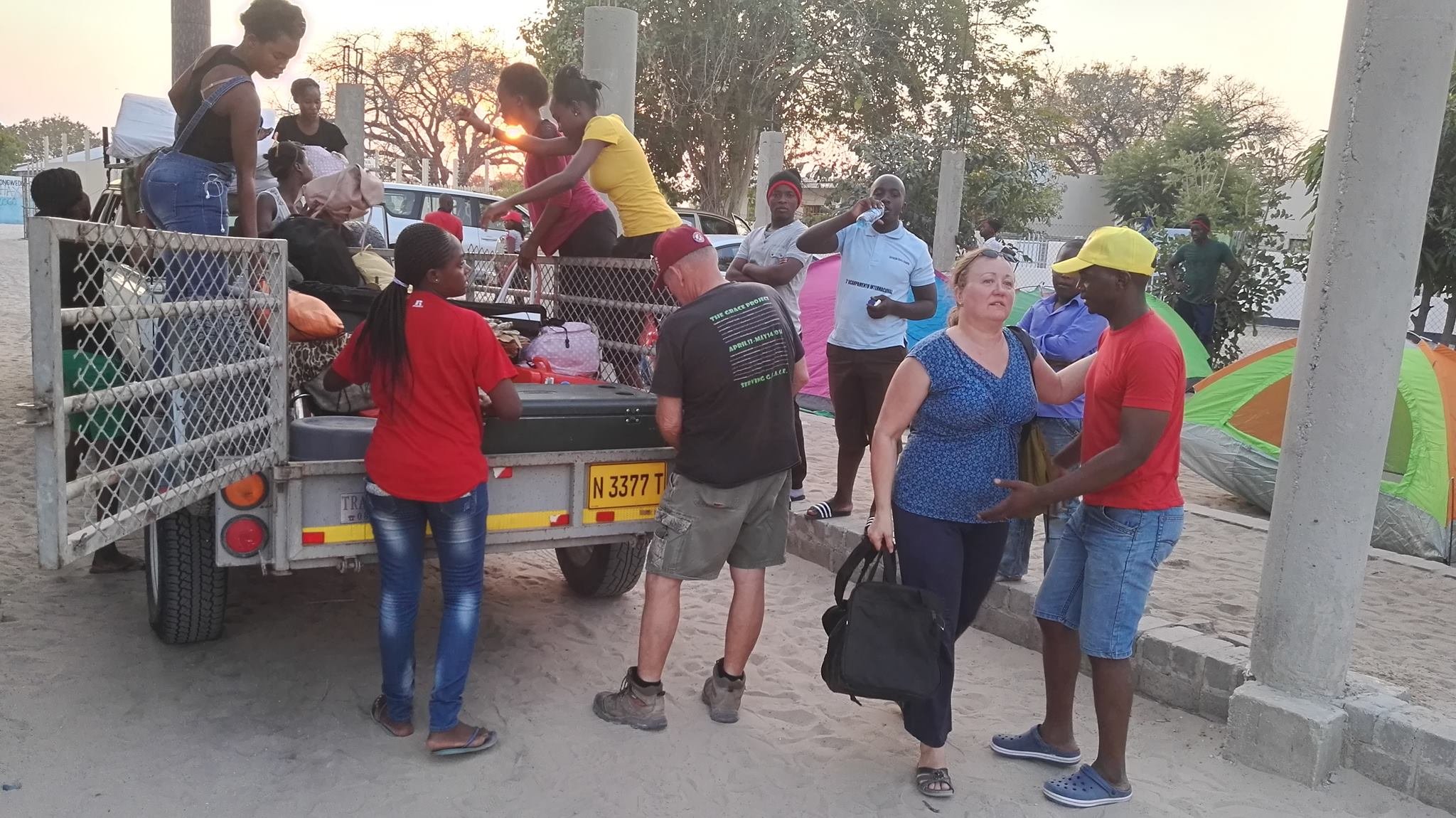
Beyond her academic pursuits, Kristina is deeply invested in the transformative potential of language as a tool for empowerment and self-actualization in an increasingly digitalized world. Early in her career, she collaborated with the American project DAT, contributing to livelihood improvement initiatives for marginalized communities in Namibia. This included the provision of basic needs such as feeding programs and water services in cross-border regions between Angola and Namibia, showcasing her commitment to grassroots impact.

Kristina aspires to become a leading scholar in multilingualism, focusing on its intersections with migration, workplace integration, and digital communication. Her long-term vision includes founding Tech-Comm32, an innovative institute to equip young African women with technical and communication skills, including coding and digital marketing, tailored to the demands of the digital economy. Through this initiative, she aims to bridge the digital divide and empower African women to thrive in the Fourth Industrial Revolution. Her work embodies a bold vision for leveraging language and technology to drive social transformation and inclusivity across Africa.