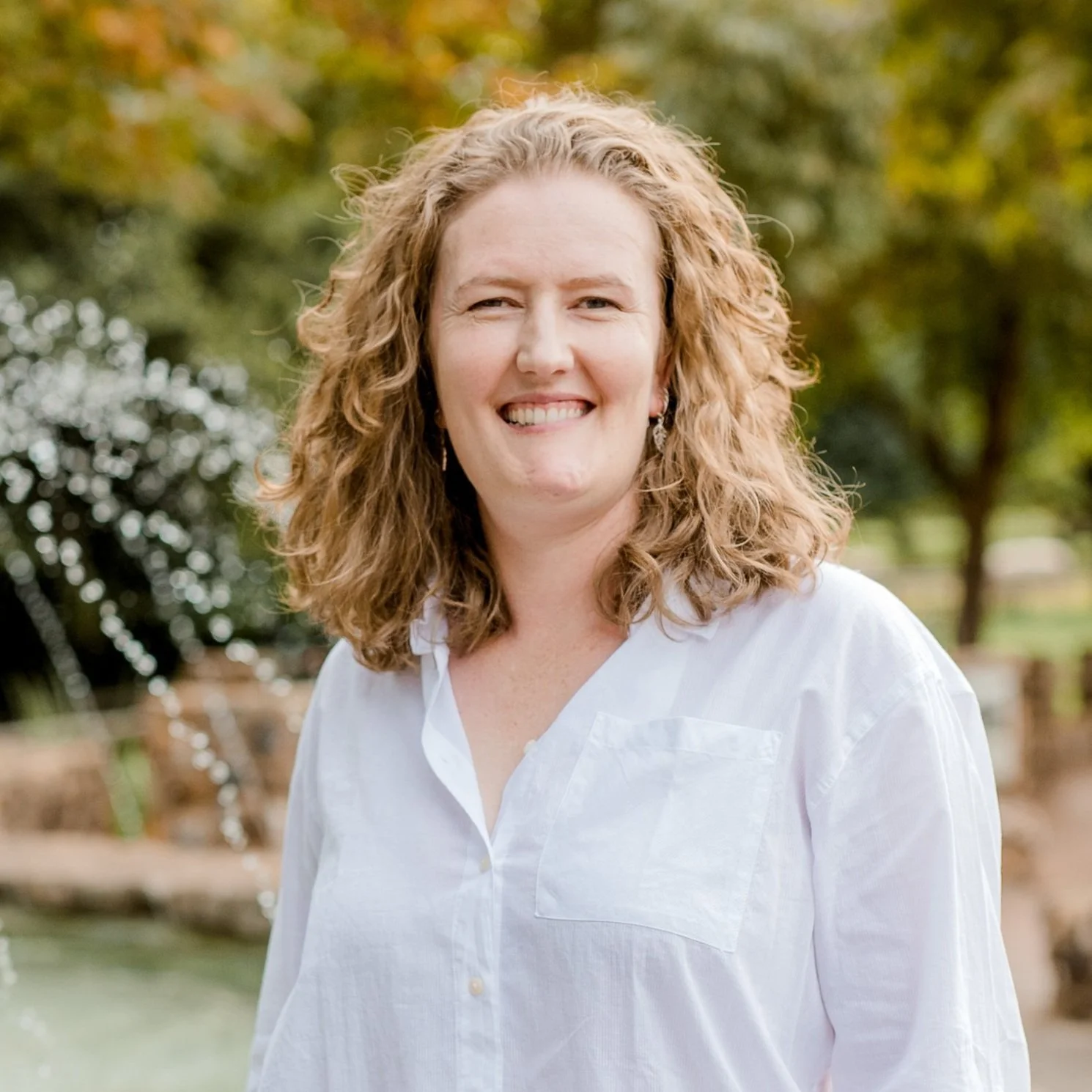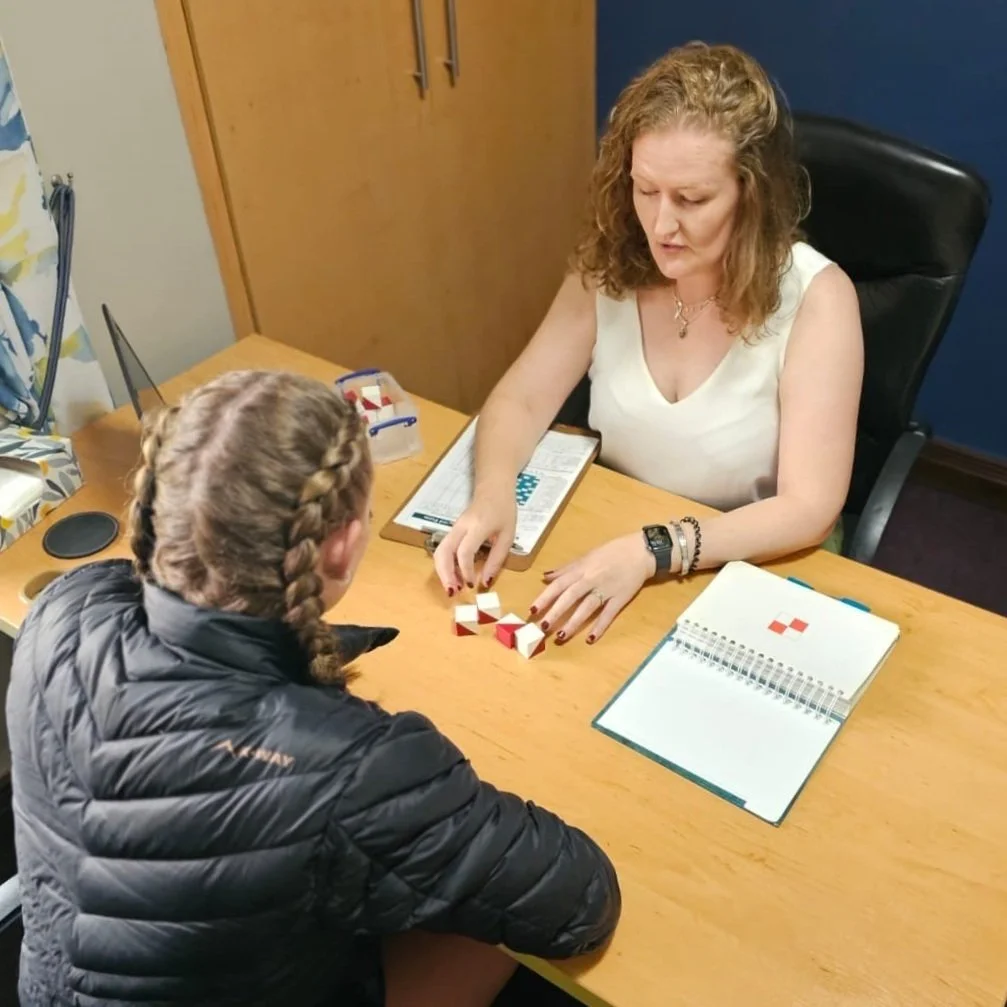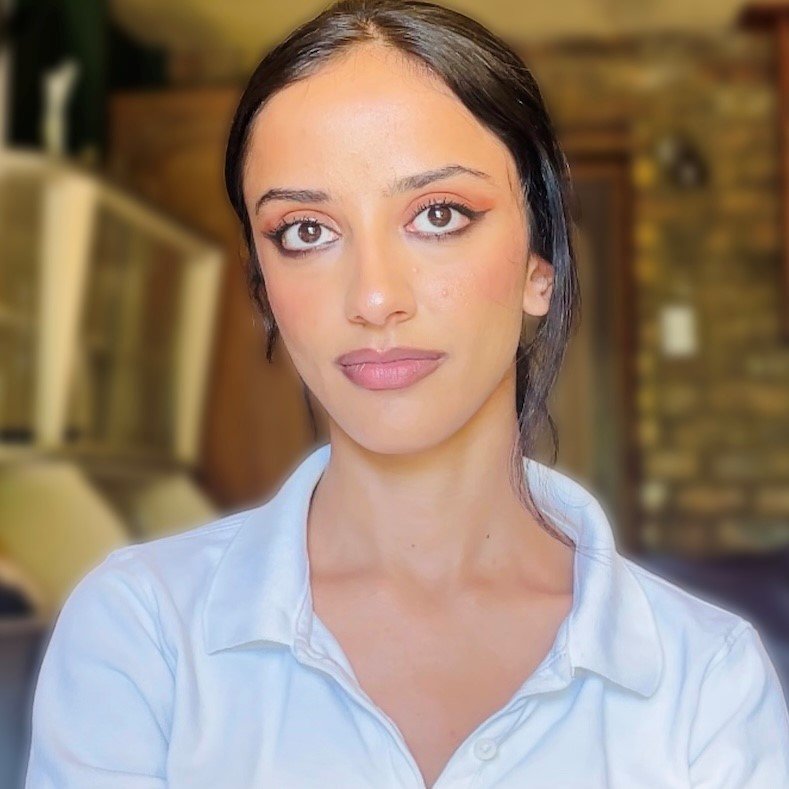
Adijat Jimoh

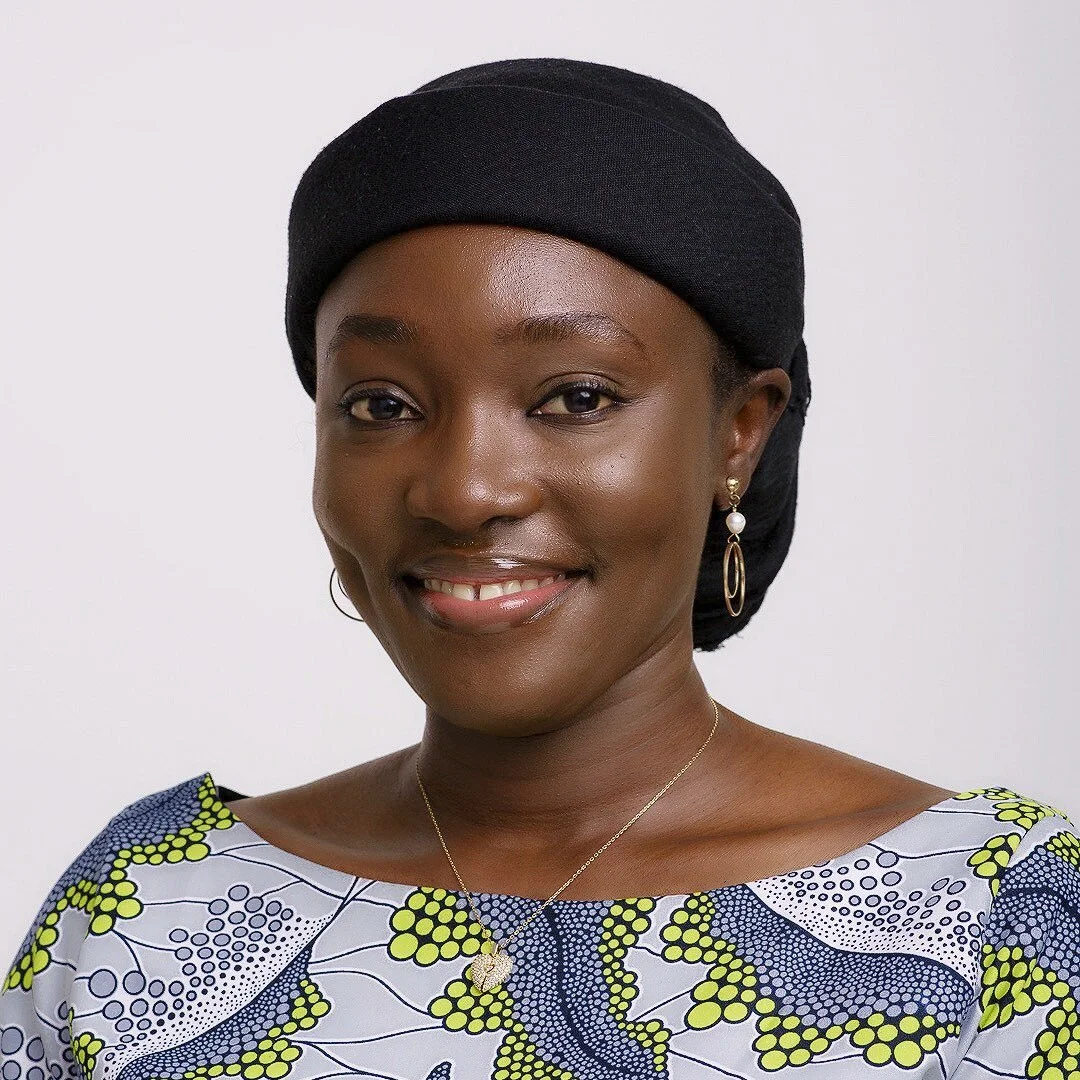
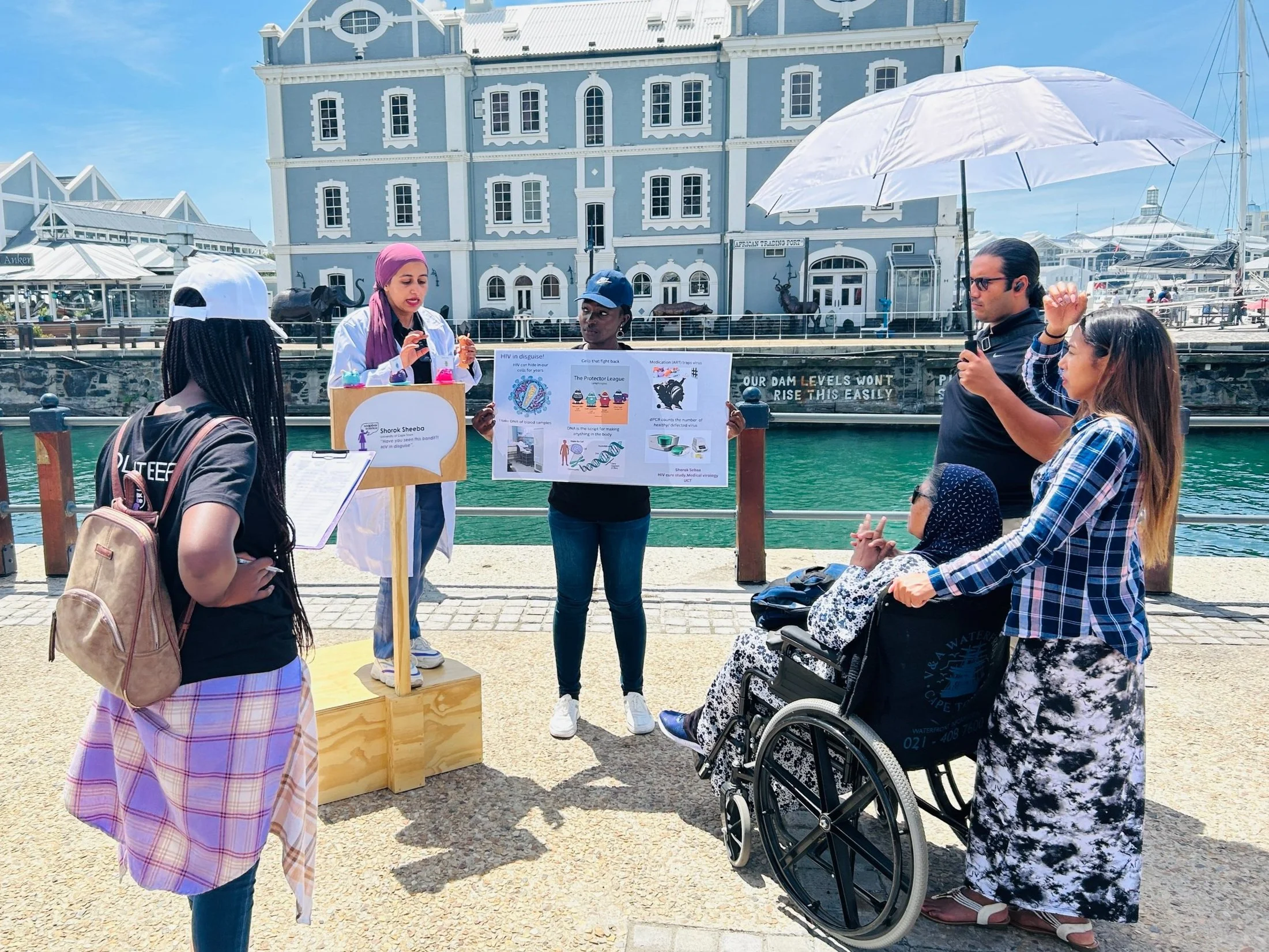
Adijat Jimoh (33), from Nigeria, is conducting her PhD studies in clinical science and immunology at the University of Cape Town. She possesses a strong background in genomics and bioinformatics, honed during her role as a research scientist at the Nigerian National Biotechnology Development Agency. 
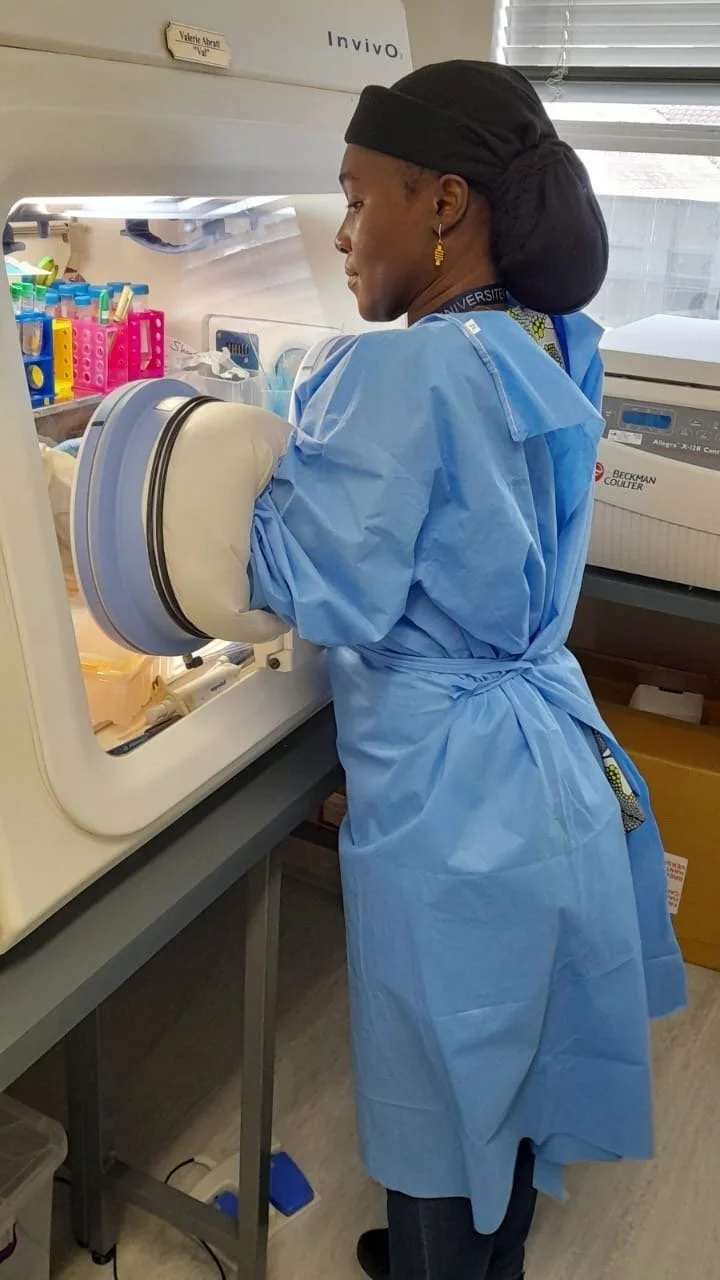
Her research focuses on describing vaginal bacterial and viral communities in pregnant women living with HIV and those without. Additionally, she is investigating the impact of antiretrovirals, birth-control drugs, and antibiotics on the reactivation of dormant or “sleeping” viruses integrated into vaginal bacteria. Fueled by a drive to address challenges of women’s reproductive health in Africa, she envisions that her findings will underpin innovative therapeutics for enhancing women’s vaginal health, and consequently benefiting their infants.

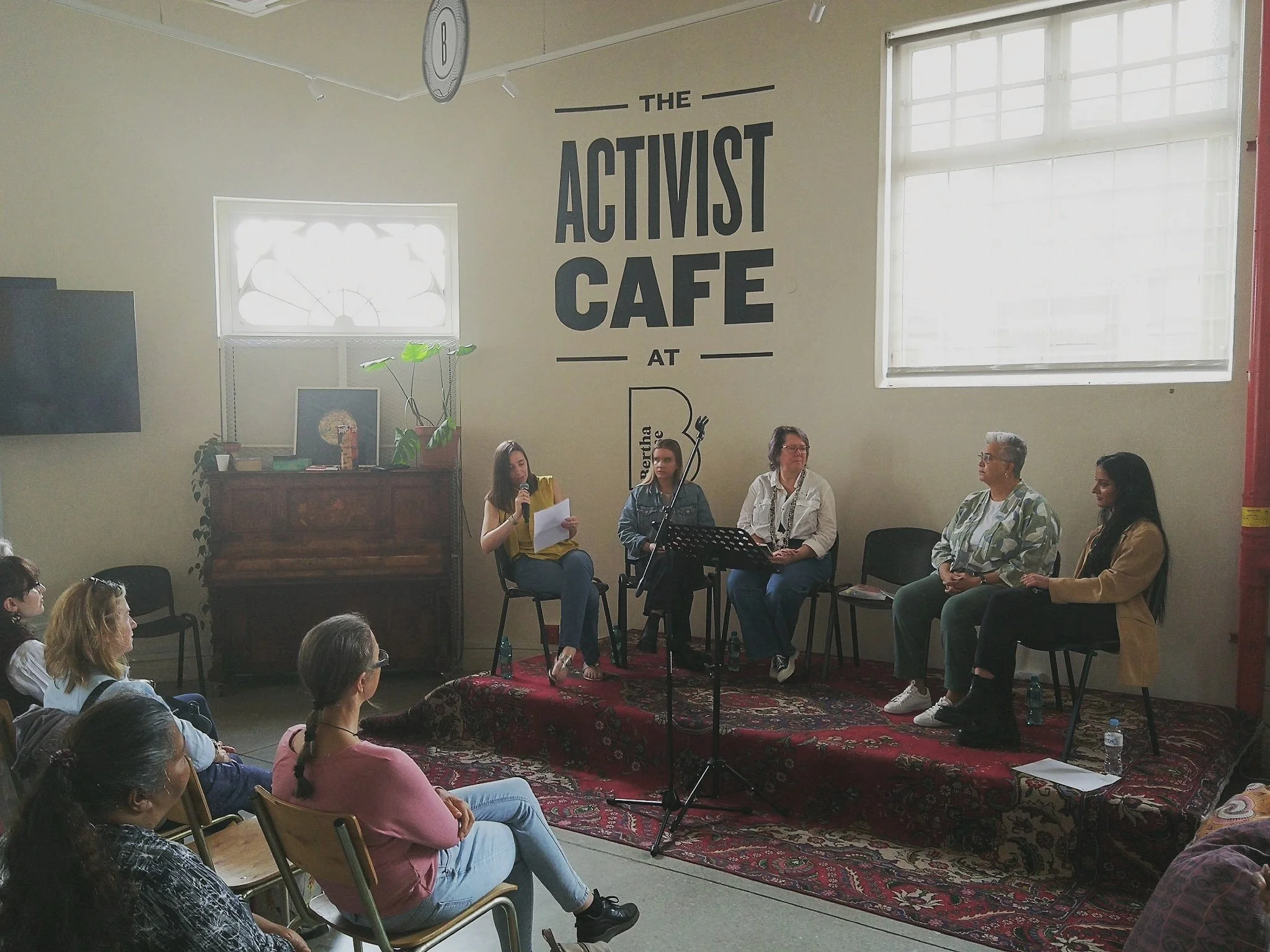
Beyond her laboratory work, Adijat is passionate about social outreach. She regularly volunteers to train young scientists, mostly women, for example via short bioinformatics courses hosted by H3ABioNet or through her involvement in departmental initiatives to teach underprivileged children basic math and English. She is committed to effective science communication to the public, evident in her achievement as regional semi-finalist in the 2023 FameLab Science Communication Competition, and by supporting female scientists at the engaging SoapBox Science Event in Cape Town, bringing science to the public. 
Adijat’s goal is to someday build a strong inter-African network of scientists, especially women, through training and mentorship in the use of viral metagenomics and computational tools. Her ultimate dream is to create a self-sustaining cycle whereby these women evolve to become future trainers/mentors.

Megan Knoetze

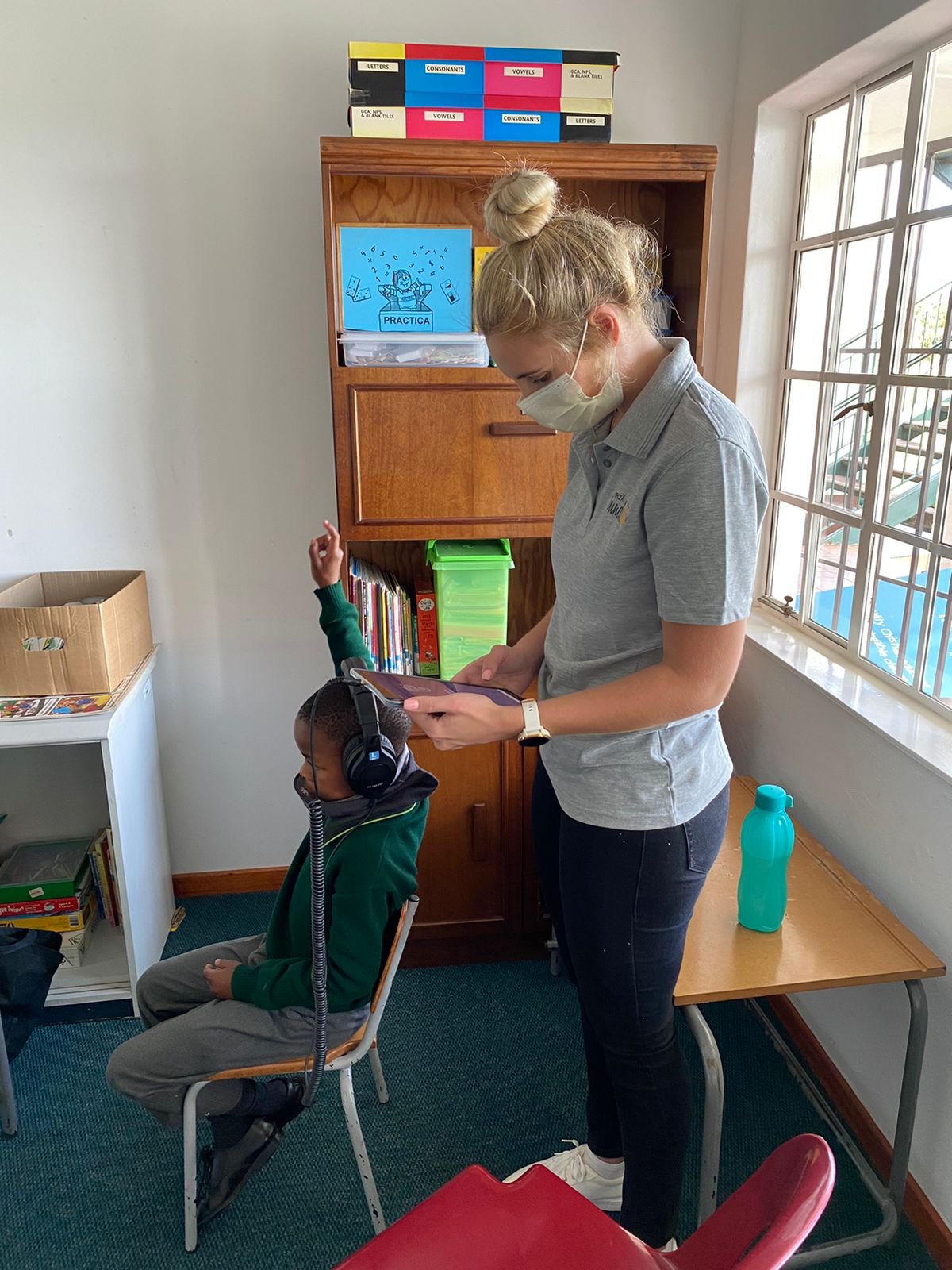
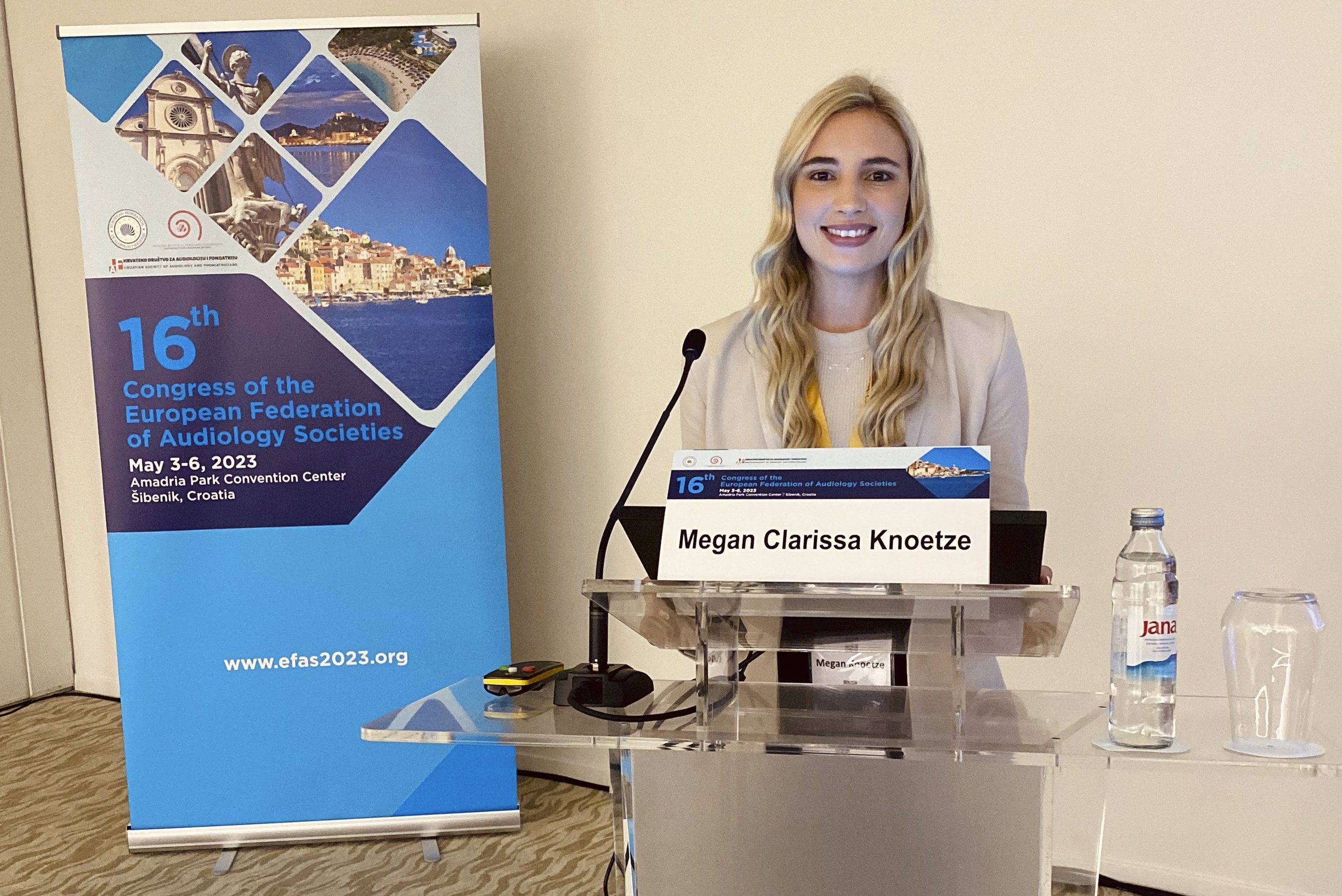
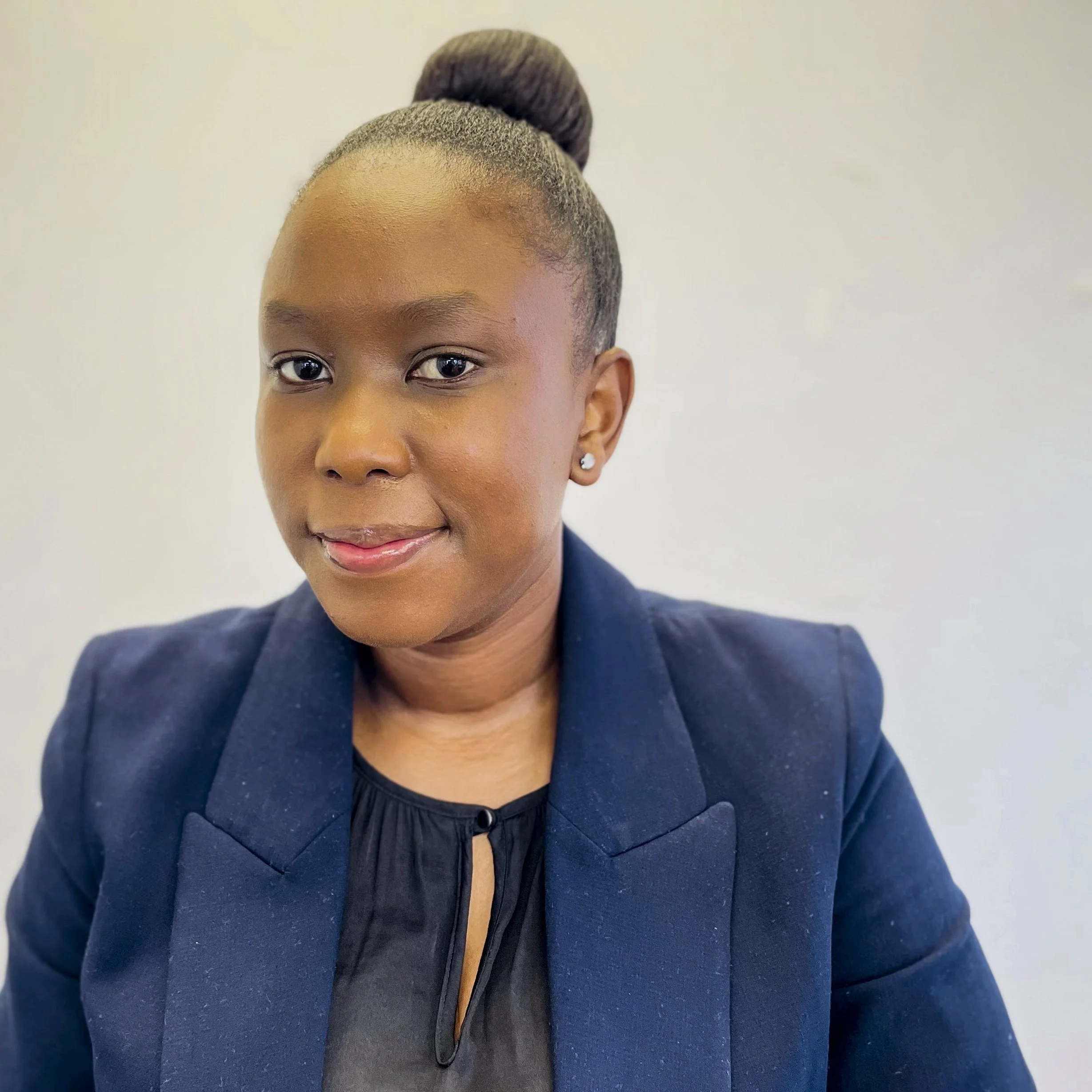
Megan Knoetze (25), from South Africa, is a PhD student pursuing her degree at the Department of Speech-Language Pathology and Audiology at the University of Pretoria, South Africa. She also works part-time as a clinical supervisor at a pediatric hearing aid clinic, where she supports children with hearing loss. Additionally, Megan volunteers at the hearX Foundation, a non-governmental organization that provides hearing care services in underserved communities, focusing especially on women and children.

Megan was awarded a postgraduate bursary for her master's degree in audiology and graduated with distinction. During her community service year at a rural hospital in  Standerton, South Africa, she became acutely aware of the limited resources and lengthy waiting lists for hearing aids. This motivated her to pursue a PhD degree with the intention of addressing these disparities.

Megan's doctoral research focuses on understanding the various barriers preventing people, especially women and children with hearing loss, from seeking help and adopting hearing aids. She aims to develop targeted interventions to reduce delays in seeking help and increase hearing aid adoption. Her ultimate goal is to improve global access to hearing healthcare by partnering with healthcare groups, policymakers, and technology innovators for impactful solutions. Her work aligns with the priorities of the University of Pretoria’s WHO collaborating center for the prevention of hearing loss, where she studies and further positions her contributions for widespread scalable impact. She has published four peer-reviewed articles in leading subject journals and has delivered eight international conference presentations.

Ntombenhle Mkhize

Ntombenhle Mkhize (39), from South Africa, is a public health specialist with an interest in bringing change in underserved populations, particularly adolescents and young people. She is pursuing a PhD in pediatrics and child health at the University of Stellenbosch. 

Through her research, Ntombi aims to explore the role of community health workers in addressing mental health conditions affecting adolescents and young people. As a cadre that acts as a bridge between communities and health care service provision, community health workers are best placed to raise awareness and provide linkages to mental health care. This research area is inspired by Ntombi’s own personal struggles navigating the transition to adulthood as a teenager when, with little to no support available, she was expected to just figure things out. She has witnessed young people undergo similar experiences, being thrust with enormous expectations and minimal support into a fast-paced world, often with adverse effects on their mental well-being. 

The intersectionality of socioeconomic challenges such as unemployment, poverty, and gender inequality further exacerbates the plight of young people. Seeing an increased rate of depressed young people within her own community, some even taking their lives, impelled Ntombi to better understand how she could support and advocate for young people’s mental health needs and start to catalyze change.

Zukiswa Mqolomba

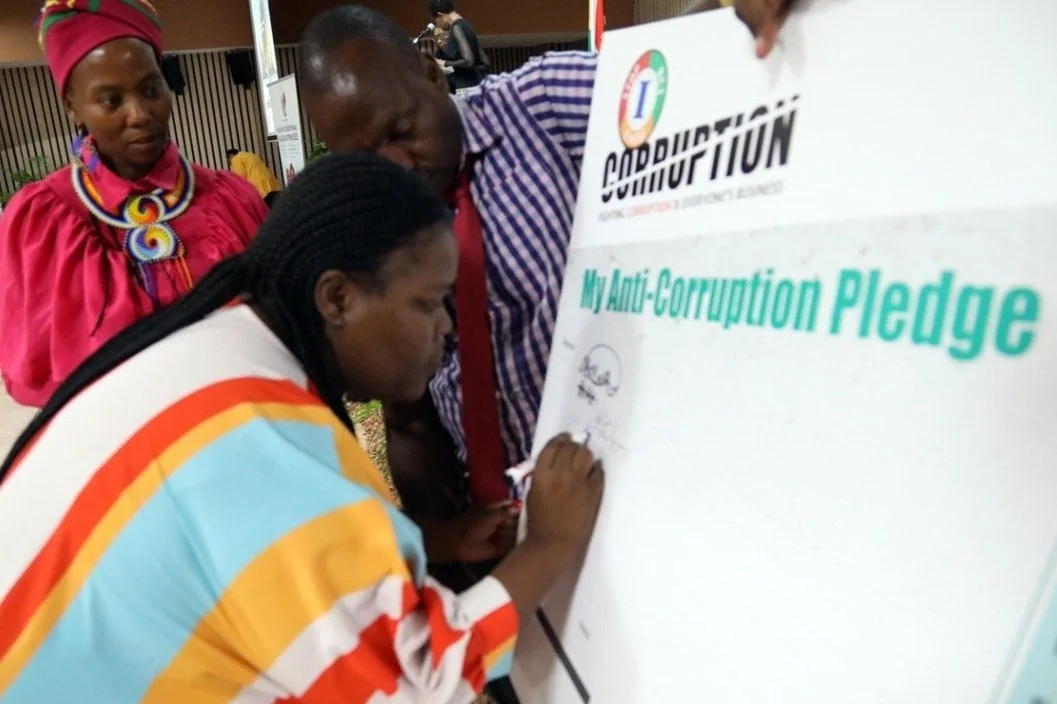
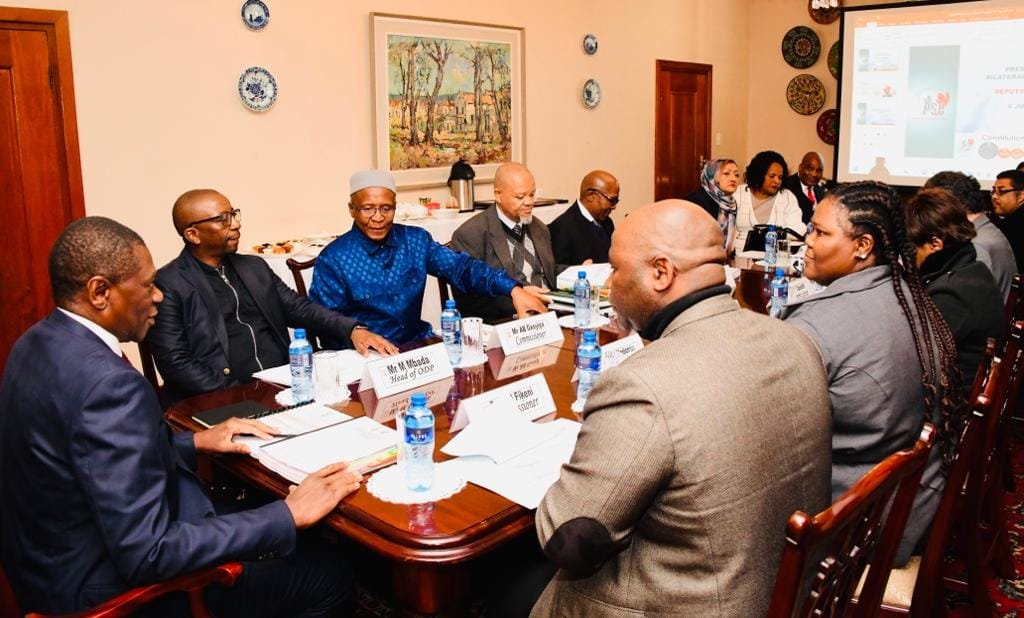
Zukiswa Mqolomba (38), from South Africa, is an executive public sector leader with roots deeply embedded in strategy, economics, poverty, and public policy work. Now doing her PhD at the University of Cape Town on the professionalization of the South African Police Service, Zuki also works as Deputy Chairperson and National Commissioner of the Public Service Commission of South Africa, appointed by President Cyril Ramaphosa. 

She holds an MA in sociology from the University of Cape Town, a second MA in poverty and development from the University of Sussex in the United Kingdom, and an executive leadership training certificate in 21st century leadership from Harvard University. Millions of women and children in South Africa would benefit from a professionalized police service, as women and children are at the receiving end of societal crimes such as femicide, gender-based violence, assaults, rapes, murders, sexual harassment, theft, and hijackings. 

Zukiswa has gained international, continental, and domestic recognition for her leadership in public policy and governance and has received multiple awards, including the US-based Humphrey Leadership award, the Africa Youth Awards 2021, the Africa 35.35 Leadership Laureate award, the Mail & Guardian Top 200 Youth Leaders award (2012 and 2016), and the University of Cape Town Vice-chancellor's award. She volunteers on the board of a non-profit independent think tank and mentors African women entrepreneurs to help them better participate in the digital economy. Zuki has a keen interest in finding solutions to public sector challenges and in sparking public service innovations and transformations. 

Thokozani Mwase

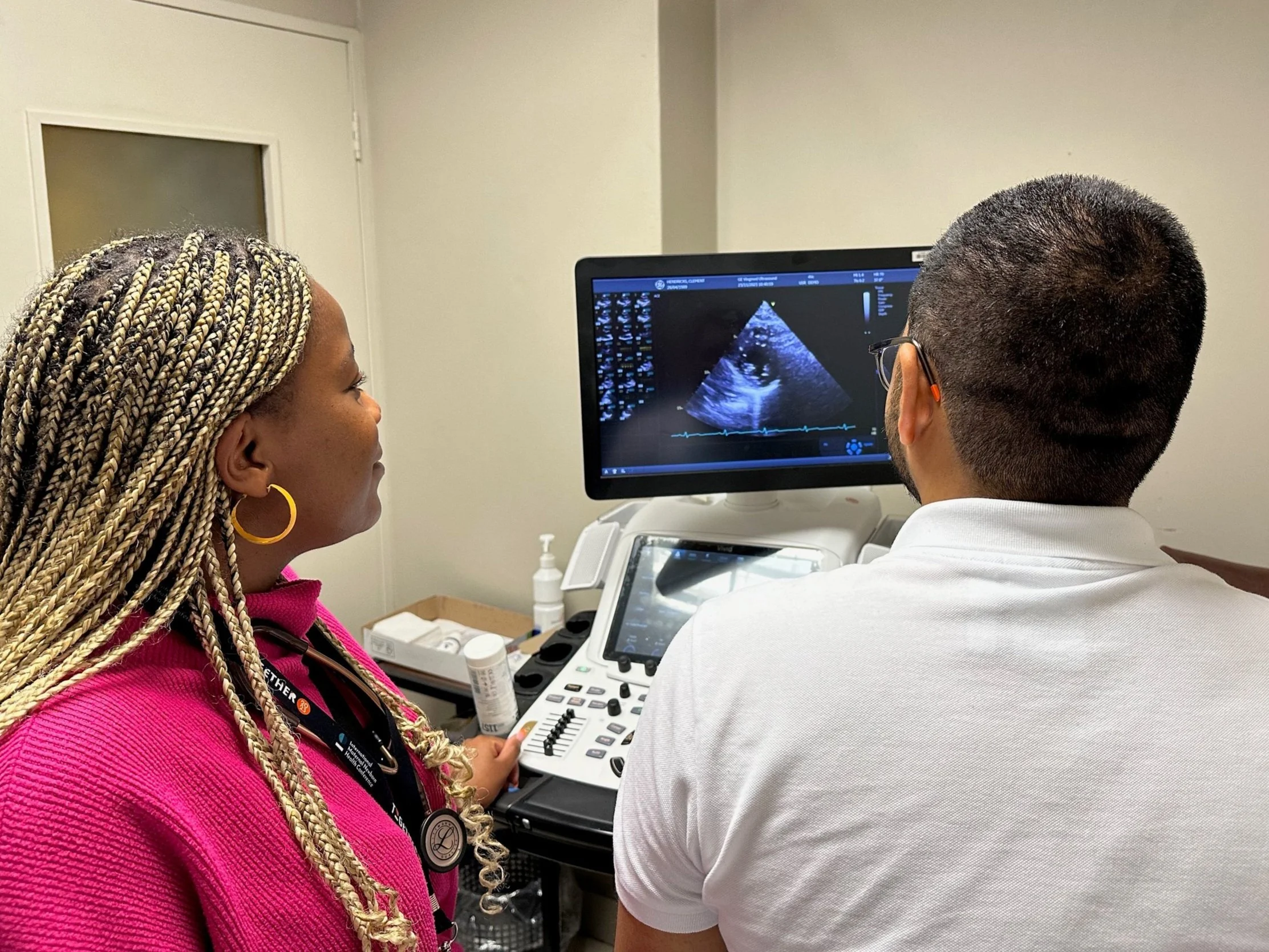
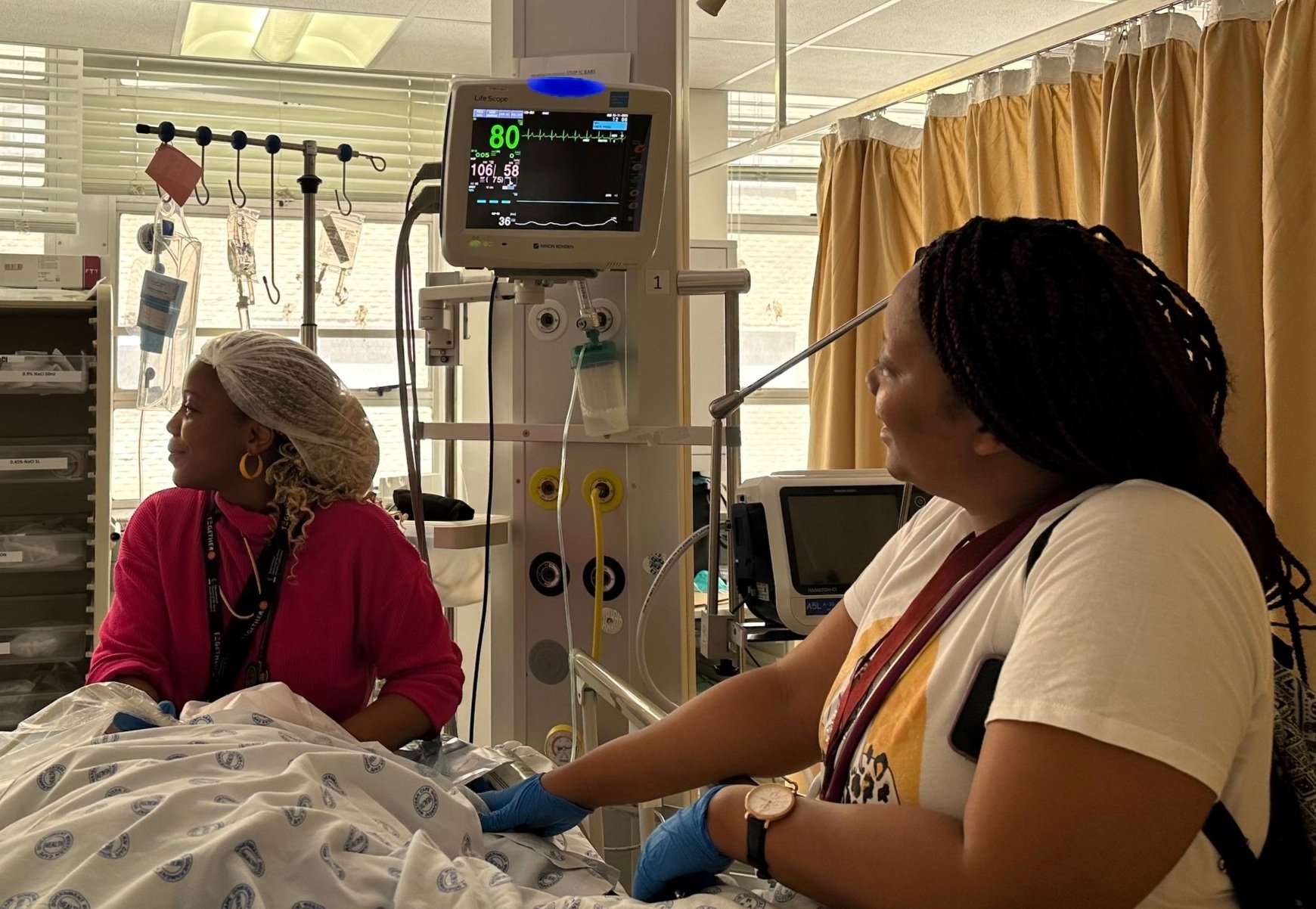
Thokozani Mwase (27), from Malawi, is pursuing a master of internal medicine at Stellenbosch University. Her research is on the temporal trends in transcatheter aortic valve implantation practice in South Africa. 

Thokozani has worked with her family for the past 10 years raising funds to build school buildings in difficult-to-reach areas where thousands of children were initially attending classes outside. One of their projects is a clinic serving over 100,000 children under five years old, where she ran community clinics prior to obtaining her master’s degree.

As a junior doctor, Thokozani noticed that at least one in five children and pregnant women being admitted with a medical condition were being treated for heart conditions, with half of them resulting in negative outcomes. The main contributing factor was delays in diagnosing patients and a lack of treatment modalities. This experience convinced Thokozani to embark on the long road to becoming a cardiologist.

Looking forward, Thokozani is keenly interested in contributing to research in cardiovascular diseases in children and women, developing cost-effective prosthetic valves for minimally invasive procedures, and setting up antenatal cardiac screening and outreach programs in Malawi.

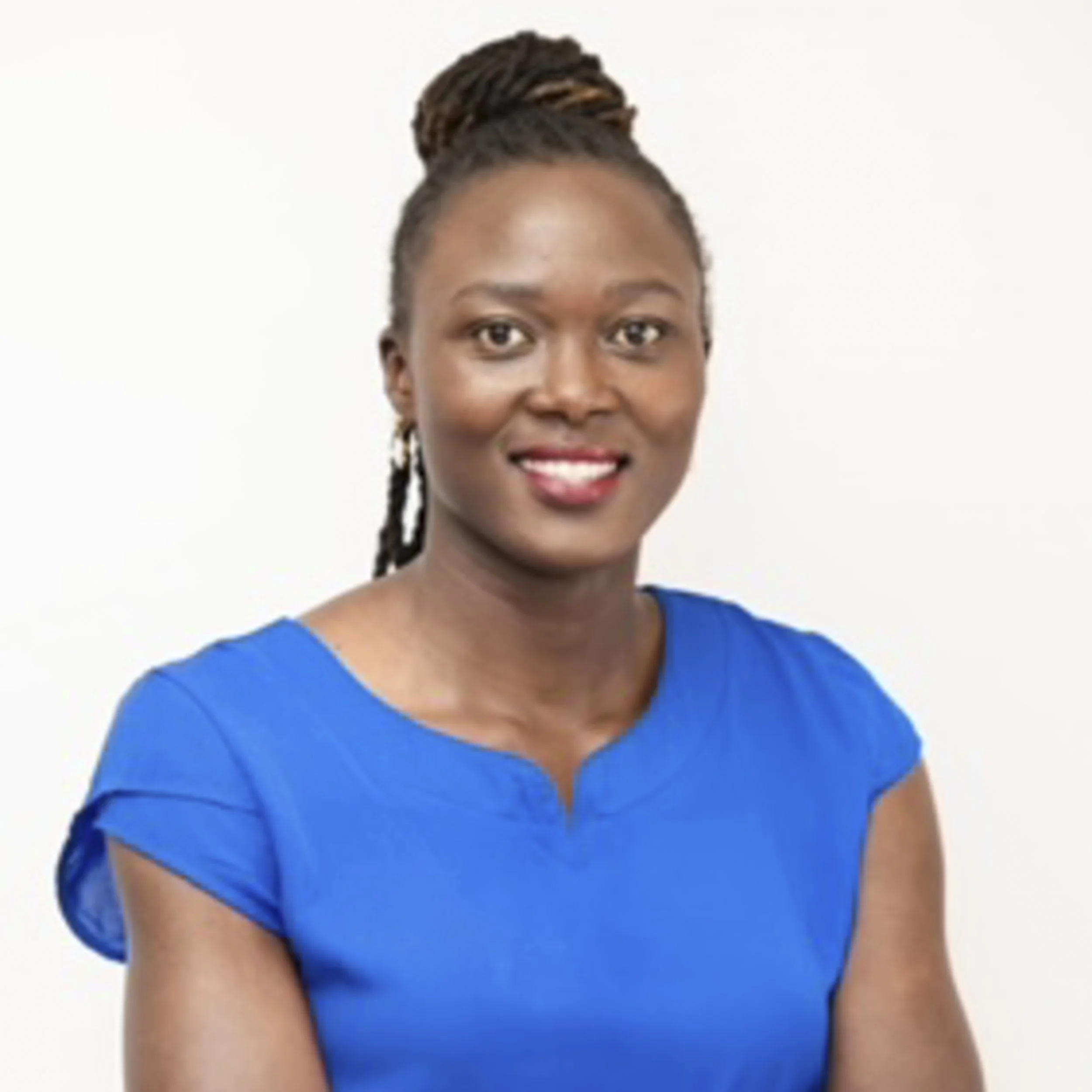
Everlyne Onyango

Everlyne Onyango is a medical doctor pursuing her residency (MA) in nuclear medicine at Stellenbosch University, South Africa—the first Kenyan female doctor to specialize in the subject. Everlyne was born along the shores of Lake Victoria in Kisumu, Kenya, and has  a humble family background. Her parents struggled to pay her high school and university tuition fees, and she completed her studies through various educational scholarships. 

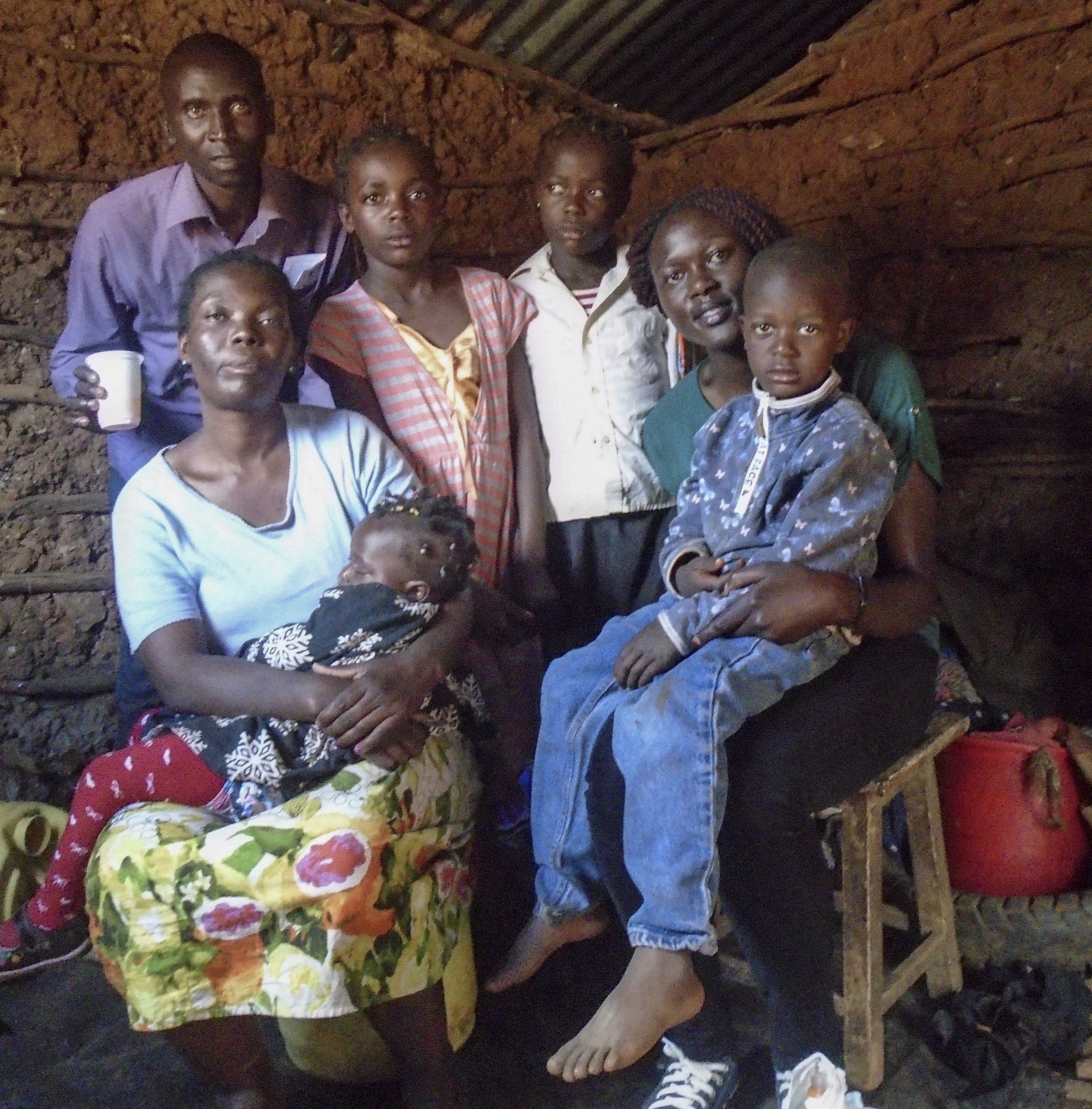
Door-to-door community awareness campaign on HIV and HPV vaccination for young girls

Having witnessed many of her close family members and neighbors succumb to HIV/AIDS, Everlyne decided to devote her career to shifting the health paradigm in Kisumu and Kenya, focusing on HIV/AIDS and cancer. Cervical cancer, caused by the HPV virus and exacerbated by the immunosuppression of HIV/AIDS, imposes the highest cancer burden in Kenya. Many young girls and women in Kenya are at risk of acquiring HPV, ultimately increasing their risk of cervical cancer. When women die of cervical cancer, they leave behind orphans with no one to care for their health and education, creating a vicious cycle of disease burden and poverty. 

Everlyne will open the first Imani PET Centre in Kenya. This charitable institution will provide free HPV vaccinations to young girls 9–14 years old, free screening for women, and comprehensive cancer treatment for women diagnosed with cervical cancer, including PET imaging. Through partnerships with NGOs, the local government, and her network of oncology health professionals, Everlyne aims to screen and vaccinate more than 5 million girls by 2026.

Estelle Helena Prinsloo

Estelle Prinsloo (39), from South Africa, is pursuing a clinical psychology MA degree at the University of Cape Town. In 2024, she will complete the clinical training component of her degree. Estelle was diagnosed with ADHD and a hearing impairment as an adult, which inspired her to study psychology. She is passionate about helping neurodiverse people, especially people assigned female at birth (AFAB), access the services and support that she missed out on as a child. 

Estelle’s dissertation research is on the perceptions of camouflaging by AFAB university students with ADHD and the camouflaging strategies they use to appear, or pass, as neurotypical. This research is important because ADHD often has a more internalised presentation in AFAB people, which results in the condition being under- and misdiagnosed in this population group. Undiagnosed ADHD has several negative psychosocial outcomes that disproportionately affect AFAB people. 

Estelle plans to use her research findings—and her expertise as a clinical psychologist—to change the narrative around neurodiversity more broadly and ADHD specifically. She also plans to educate parents, teachers, and primary healthcare workers about the presentation of neurodiversity in AFAB people through training workshops and online advocacy work. Prior to pursuing a career in psychology, Estelle studied politics and worked in academia, gaining experience in research, editing, event planning, and social media management. She is a qualified psychometrist and former board chairperson of Lifeline Johannesburg—a nonprofit counselling organization.

Sarah Uheida

Sarah Uheida (25), from Libya, is a poet and experimental memoirist pursuing her MA in English studies at Stellenbosch University. Having fled the Libyan civil war at 13 with her family, Sarah resettled in South Africa, where she learned English.

Her creative work is inspired by language’s potential to instigate difficult socio-political conversations. She writes about post-war trauma, identity struggles, and the lived experiences of women who must exist as “displaced”—who seek asylum but do not find the opportunities and compassion needed to start over. Sarah received the Dan Veach Prize for Younger Poets and the Miles Morland Scholarship for African Writing to craft a memoir on the woman refugee experience. Her poem “Something to Hoard At Night” was published in The Other Side of Hope. Her nonfiction essay on women’s right to choose, "The Body Is More than a Landfill and Less than All that I Am," appears in Relations: An Anthology of African and Diaspora Voices. Other examples of her work have been published in anthologies such as Persea Books, New Contrast, and Atlanta Review.

Sarah believes in the transformative power of language education and plans to establish inclusive intellectual and creative spaces for women with curiosity but limited resources. Her goal is to pioneer academic and literary initiatives that place creative writing at the center of self-expression and socio-political change. By fostering language development through a lens of creativity and self-acceptance, she hopes to uplift and amplify the voices of women from diverse linguistic backgrounds.

Erna van der Westhuizen

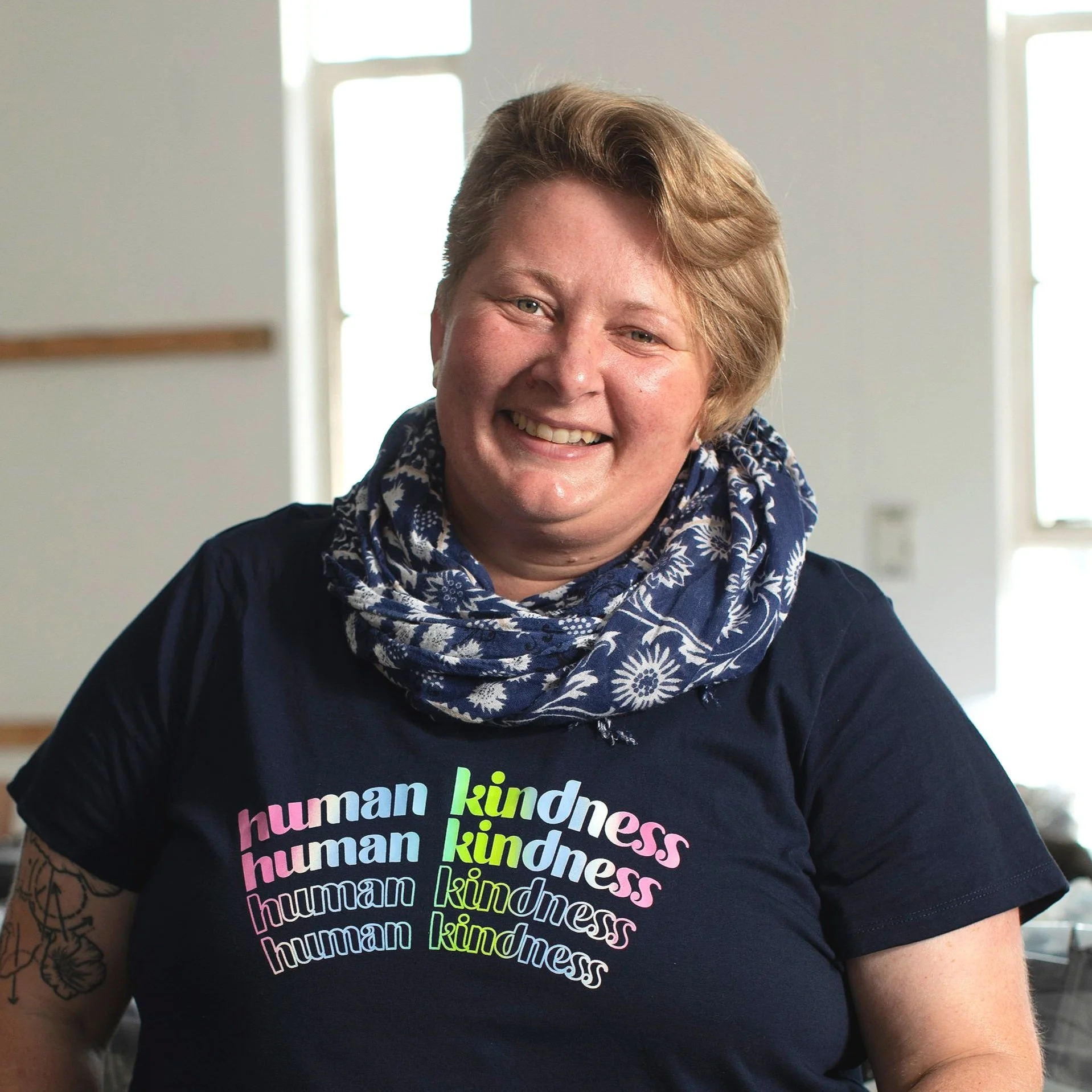
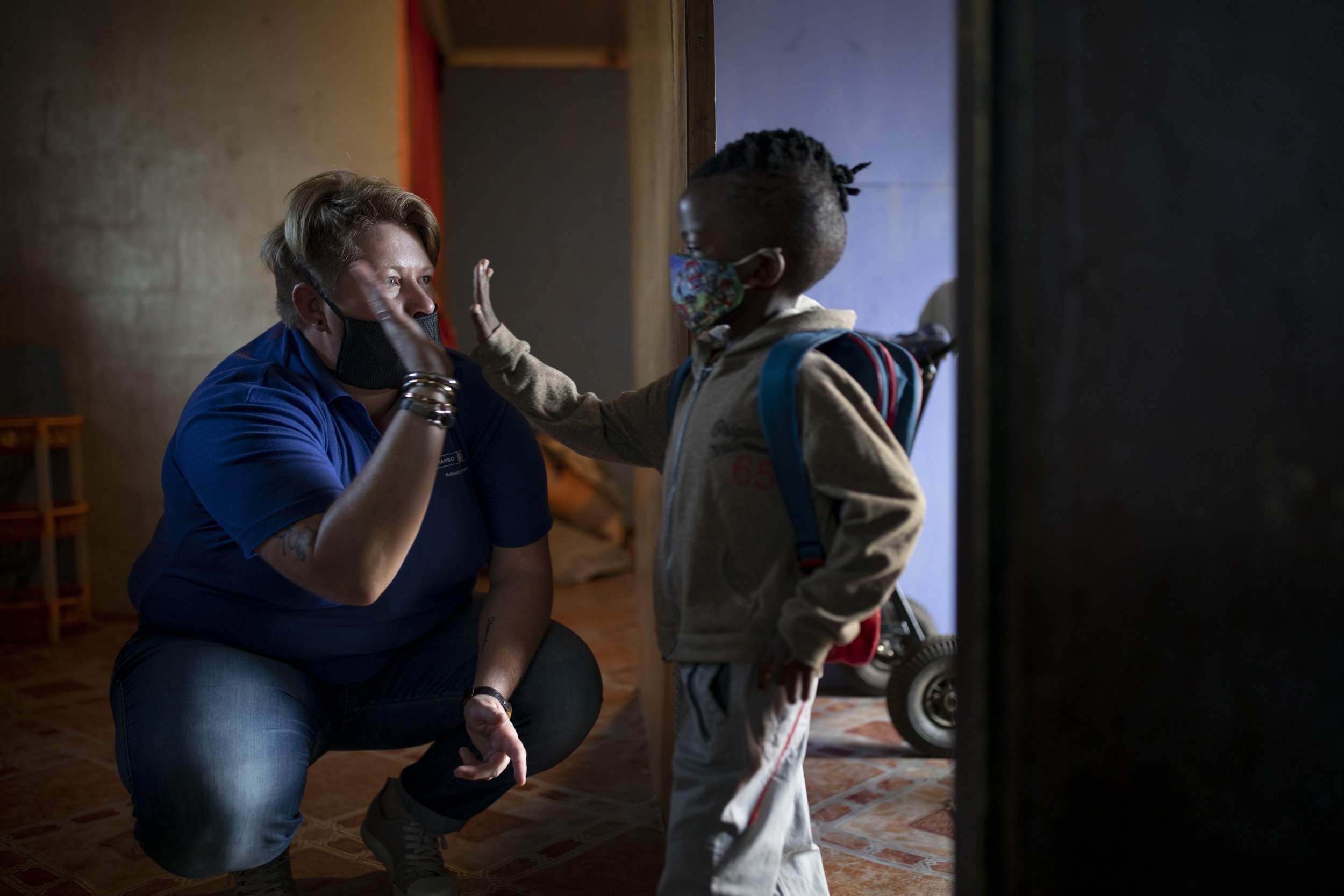
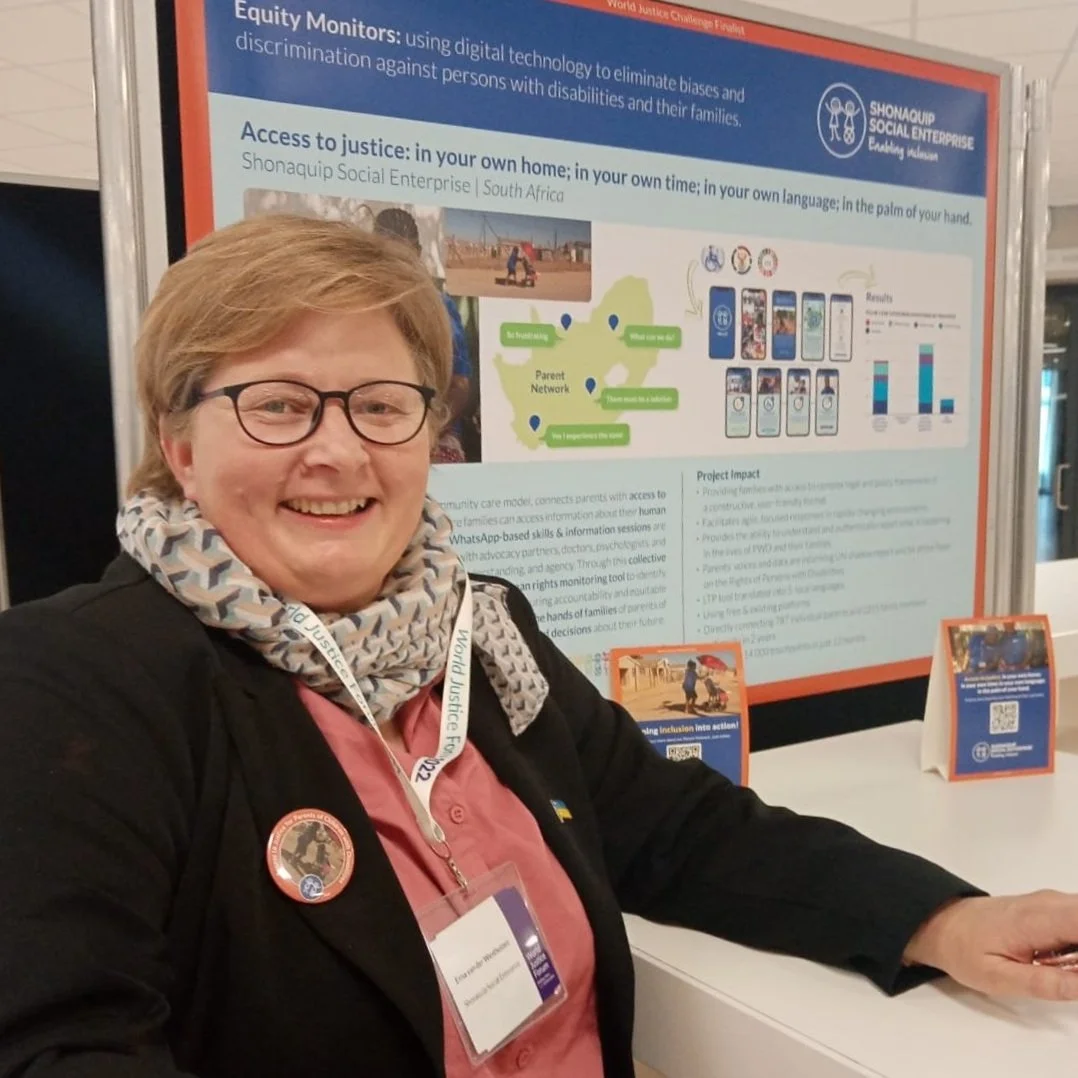
Erna van der Westhuizen (42), from South Africa, is pursuing a PhD in global health (disability and rehabilitation) at Stellenbosch University. Her research focuses on solutions to elevate the voice of rights holders from marginalized groups. Her studies are influenced by more than 20 years of experience working in rural communities across South Africa and Africa. Erna has worked in various sectors, including local government, faith communities, higher education, social enterprises, and NGOs. 

A career highlight was establishing a network for parents of children with disabilities across South Africa to address the disownment of voice through capacity building, as well as building referral pathways and a policy monitoring tool. These innovations have been recognized by the World Justice Forum and the Zero Project. This work was inspired by the belief that policy implementation, often intermittent, requires targeted, coordinated interventions driven by rights holders themselves. Further, Erna believes solutions are needed to address the complexity of policy and legal frameworks, and that past experiences of disempowerment should be promoted by a deficit-based approach. 

Erna hopes to expand her work to other marginalized groups to influence the commitment to social justice in South Africa as one way to restore social cohesion and invest in the lives of vulnerable people. Her goal is to finish her PhD in 2024 and explore further expansions through her networks including, among others, her fellowship with the Atlantic Institute

Pauli van Heerden

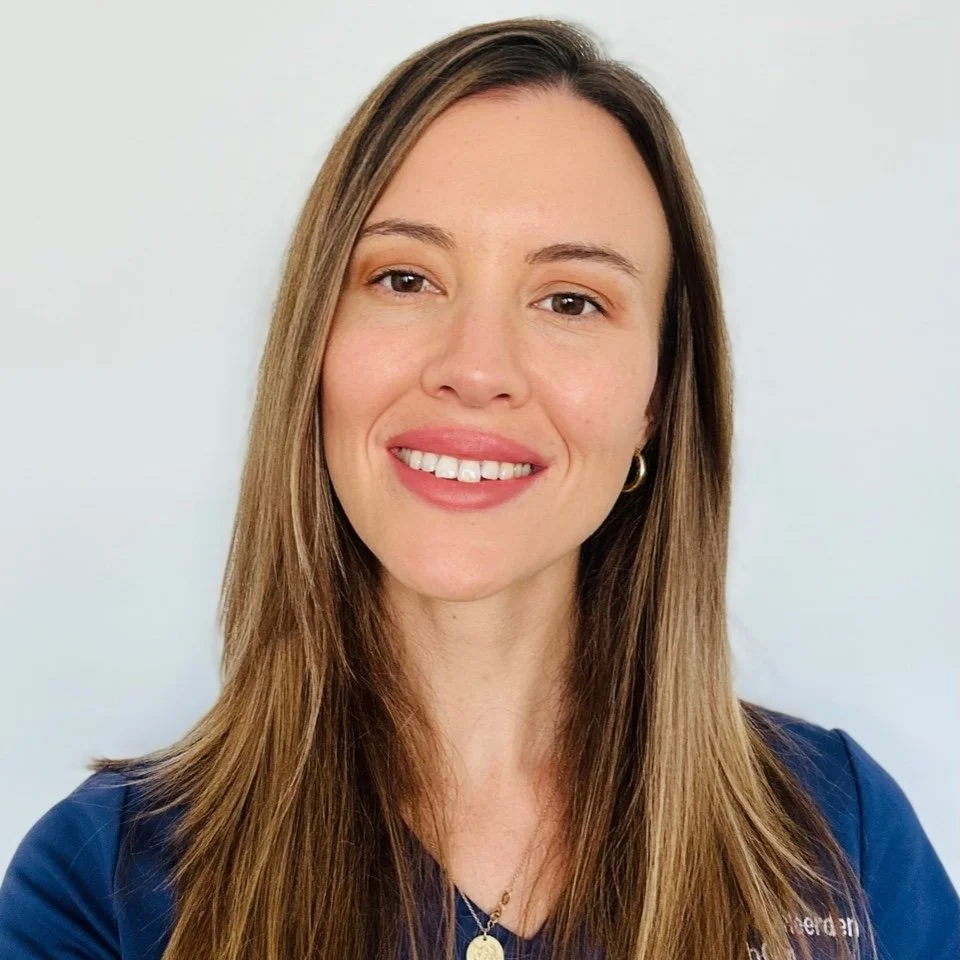
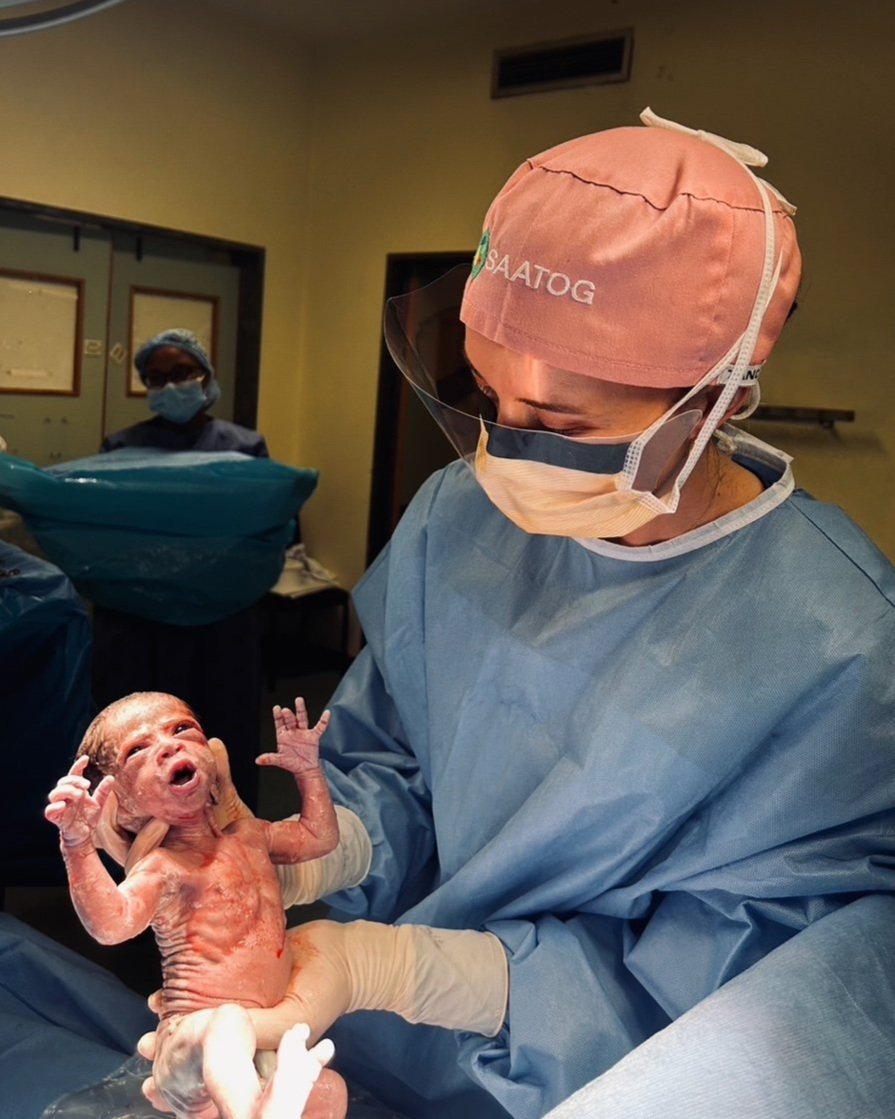
Pauli van Heerden (34), from South Africa, is a specialist obstetrician and gynecologist pursuing a master’s level sub-specialization in maternal and fetal medicine at Stellenbosch University and the Department of Obstetrics and Gynaecology at Tygerberg Hospital. As part of her training, she provides a high-risk obstetric service to women in the Metro East area of Cape Town, where she focuses on complicated pregnancies, from both maternal and fetal aspects.

Pauli’s interest in maternal and newborn health started early in her career; she obtained a diploma in child health from the College of Medicine of South Africa before pursuing a career in obstetrics and gynecology. She is passionate about women’s health in resource-constrained settings and focuses on streamlining processes to improve care for marginalized women. During the Covid-19 pandemic Pauli founded the Tygerberg Baby Drive in collaboration with the NGO, Bless-a-Baby. Her research centers around pre-eclampsia, a disease that disproportionately affects pregnant women in sub-Saharan Africa and for which there is currently no cure. Through this work, she hopes to shine a light on the importance of pre-eclampsia research globally, to improve outcomes for women and their babies in low- to middle-income countries.

After she completes her sub-specialization, Pauli will continue to use her knowledge to empower the women in her care by improving their pregnancy experience and outcomes. She hopes to become the first female South Africa-based fetal surgeon and aims to establish the first public healthcare fetal surgery center, making fetal surgery accessible to women in southern Africa.