Reiko Niimi’s farewell message as President of MMEG

 
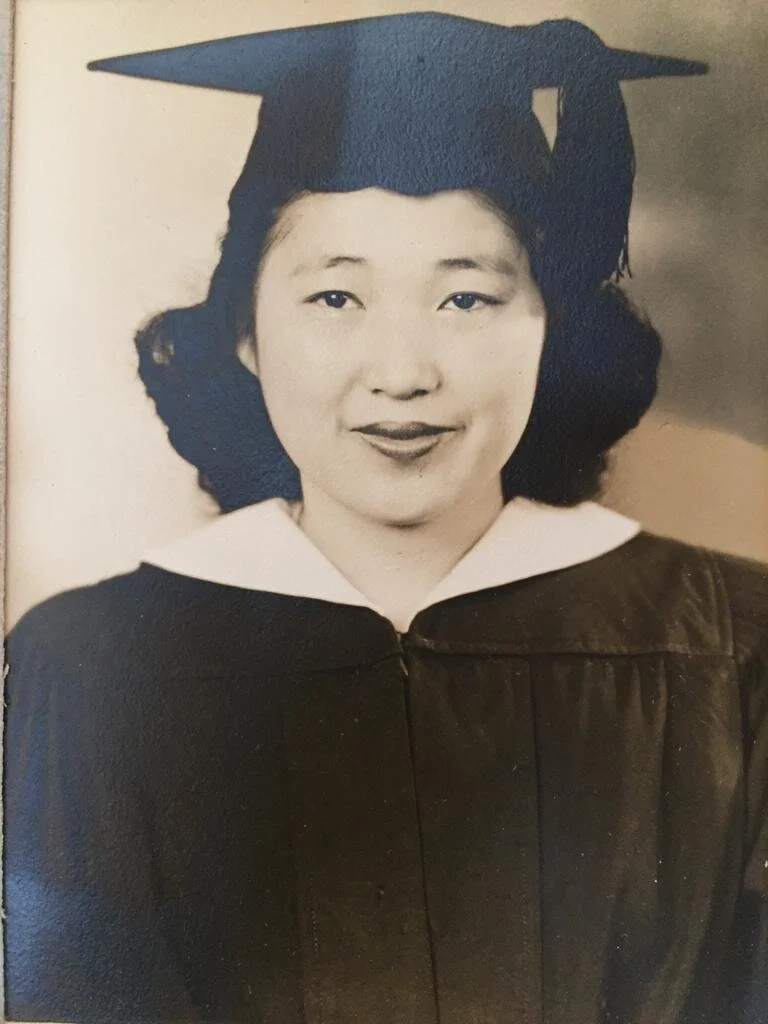
Reiko's mum (1).jpg
 

As my term as President comes to an end, I want to thank all of you for your support to Margaret McNamara Education Grants, and ask that you continue with Madeleine de Kock, who will take over on July 1st and during these uncertain times.

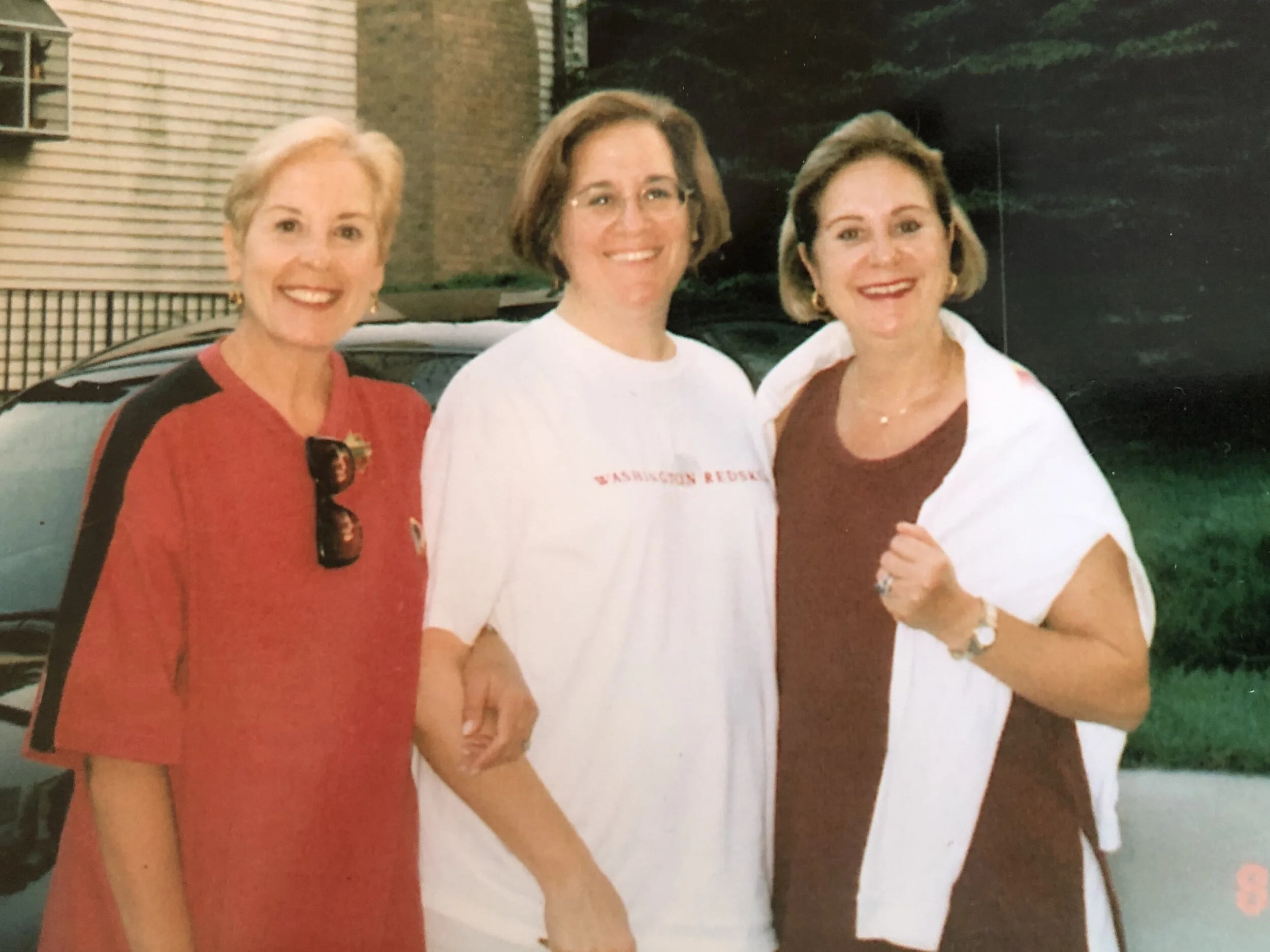
June is not only the end of our fiscal year, but also a time of graduation. We were happy to fete the graduation of several grantees this month (you can read these stories at MMEG’s  Facebook,  Instagram, Twitter or LinkedIn accounts), and I personally watched my son’s university graduation on Zoom. With heightened awareness of socially discriminatory practices in the United States combined with the search for making the best of our recent socially distanced practices, I was reminded of how my own mother was one of many Japanese Americans “evacuated” out of Portland, Oregon during World War II. Her family lost the laundry where she was working and all other material possessions in the forced relocation. But my mother was also given the opportunity to go to college (in Idaho), which she otherwise could not have attended. She subsequently converted from Buddhism to Christianity, went to Japan and taught kindergarten, before meeting her future husband (my father) at a post-war peace conference.

I didn’t grow up hearing much about the family’s internment experience, but certainly got an earful about the value of university education in opening future doors! No surprise, then, for my personal support of MMEG and for the recent US Supreme Court decision to uphold DACA which gives hope that more young people will be able to continue their university education and career development without fear of deportation.

Within MMEG, we are making adjustments to the reality affecting us as much as many other organizations. We are not likely to have our annual Arts & Crafts Fair at the World Bank Main Complex, and seek your suggestions for alternative fund-raising ideas as well as your ongoing financial support of our work and our mission. While we are budgeting for fewer grants next year, we are determined to continue the existing programs. In fact, we are currently receiving a healthy number of applications in both the Latin America and South Africa programs!

In other words, please help us to continue supporting extraordinary women around the world in their university studies!
In Memory Of….The Faces Behind those Donors Memorialized…

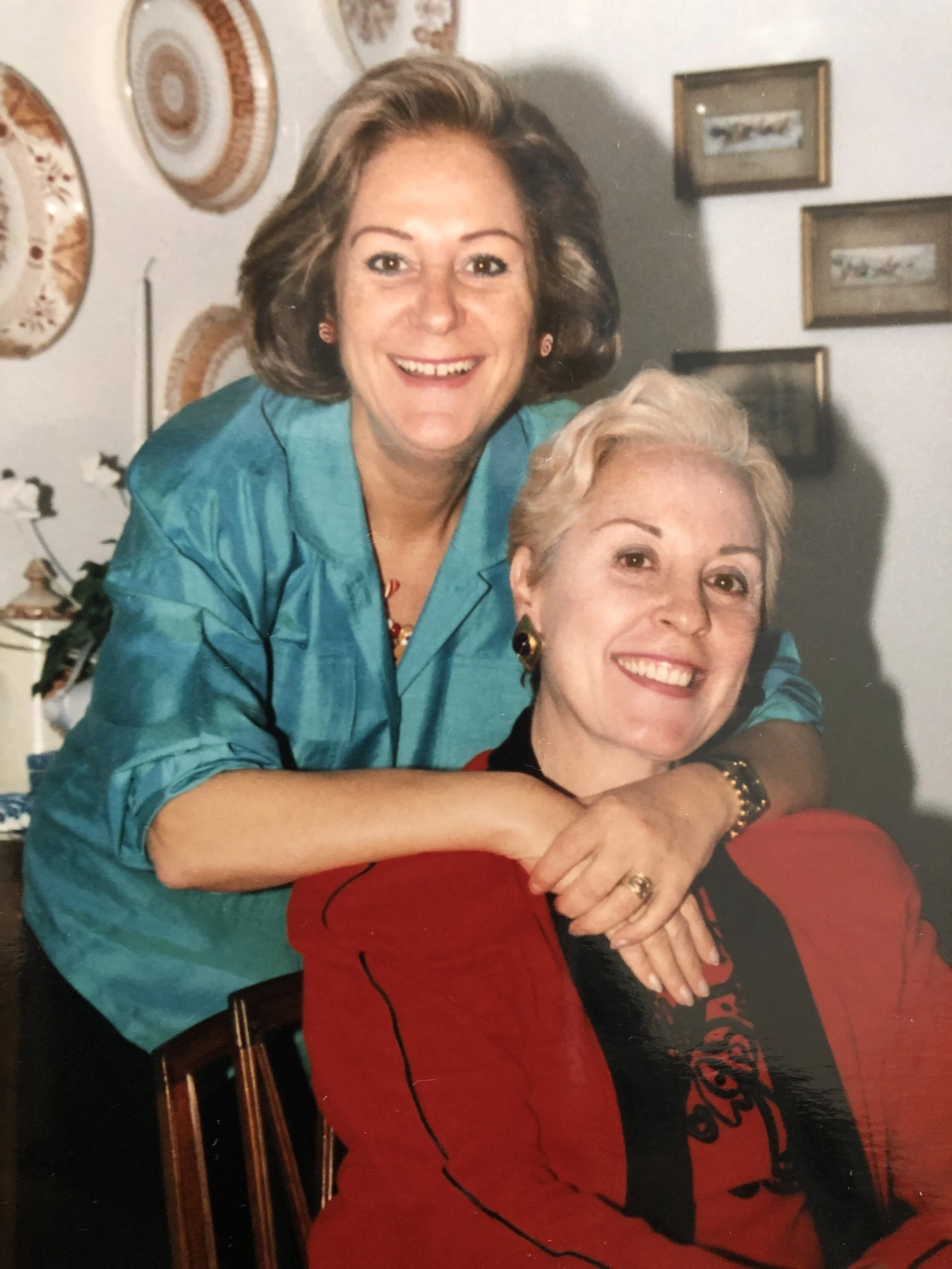
Vittoria and her sister, Loretta

Vittoria and her sister, Loretta

We at MMEG are delighted and proud when donors honor friends and relatives who have passed, by contributing to underwriting the 30-some grants we make each year.  For many years, Vittoria Winterton, has been contributing to MMEG in the memory of her sister, Loretta Viola Fioretti.  We asked Vittoria to tell us about her sister…

“Loretta wanted to study dentistry but our “old fashioned” southern Italian father insisted only men were dentists, so she selected the next best thing, dental hygiene…Our father’s belief (again, very old fashioned) was that once a girl got married, she became a housewife, who had little time for anything else except raising children and looking after her family!  Therefore, investing money in an education for a girl who was certain to get married, was a waste.  You will agree that things have certainly changed since the 1950’s!  Still, she persisted and after working 1-2 years at the World Bank (in IFC), Loretta, supported by two Italian male family friends and dentists who were recent graduates of Georgetown Dental School, convinced our father to allow her to attend the Dental Hygiene program at Temple University in Philadelphia.  In convincing my father, she offered to pay for half of her tuition and board, which he then accepted.”

Vittoria adds “My sister, Loretta, was one-of-a-kind.  Everywhere she went, she made contact with dentists and asked to view their equipment and practices.  In East Africa, specifically Kenya, she provided assistance to so many...She took pride in teaching young children how to brush their teeth when toothpaste was not available, and how to brush the teeth of ambulatory patients.  It really was amazing how she could make a terminally ill patient feel so much better, and her touch was ever-so-gentle while getting the job done.  For many years, she travelled with a dentist one day a week, nearly 2 hours each way, to a depressed area of southern Maryland, where two chairs were set up to provide free dental care to so many people who would queue up for hours to get someone to care for them.” 

“Loretta’s six years working together with a female dentist in northern Italy provided hands-on experience in areas of dental care she never would have been allowed to handle as a hygienist in the USA because of its stringent regulations at that time. Unbeknownst to most, Loretta was forefront in battling the laws associated with a hygienist’s inability to practice without the presence of a dentist…she succumbed to lung cancer too early in her life to see that most states now allow this practice under certain conditions.”

“Loretta was very close in age to me, and was my best friend.  Except for when I lived abroad, she phoned me daily to check in after she returned from work.  She always had something interesting to say and was extremely supportive of anything I did.  She would always say how talented I was, but it was really she who had so many talents...a quick wit, a fabulous personality, congeniality, wonderful memory, a good cook, and someone who was truly kind.  Loretta died in January 2008.  The year before her death, Loretta accompanied me to my son’s wedding in Barbados, where his wife is from.  Even in Barbados, Loretta managed to pay a visit to a dental office/clinic where she enjoyed viewing their equipment and chatting with the local dentists about their practices/patients.”

“It is with much sadness that we lost her so early in life, but we continue to remember her in many ways...one way is by my contributions to MMEG where women in her profession can be eligible for assistance in furthering their education in her field of oral health, and I am happy to do this.”

“One has to believe that there is something better awaiting us once we’ve served our time on this earth, especially if we are able to leave something good behind that we have accomplished, like my sister did.”


Three sisters – Loretta, Josephine, and Vittoria

Three sisters – Loretta, Josephine, and Vittoria

Congratulations to this year's South Africa program grantees

South Africa program grantees for fiscal year 2020 were approved by the MMEG Board on December 12th, 2019.

Congratulations to the 11 exceptional women who were passionately supported by our volunteer Selection Committee!

This year, MMEG received a record number of submitted applications, greatly intensifying the competition for our grants since the start of this program in 2008. Eligible applicants are studying in diverse fields, from engineering to social sciences, health sciences, arts, law, agriculture, etc. They are from 25 different country of origins and studying at one of the five partner universities. The majority of applicants are pursuing their Doctorate or Master’s degrees. The successful finalists are from seven different countries of origin, and their fields of study range from health sciences, linguistics, arts, religious studies to law.

Our heartfelt thanks to the selection committee members who worked tirelessly during this year’s competitive selection process. We had 17 volunteer readers with diverse educational and professional backgrounds.  They themselves are from 14 different countries on four continents! What they have in common is the interest in promoting the higher education of women studying at South African universities. Working with such a diverse and top-notch pool of volunteers is certainly one of the strongest elements of MMEG.

Congratulations to Regina Esinam Abotsi

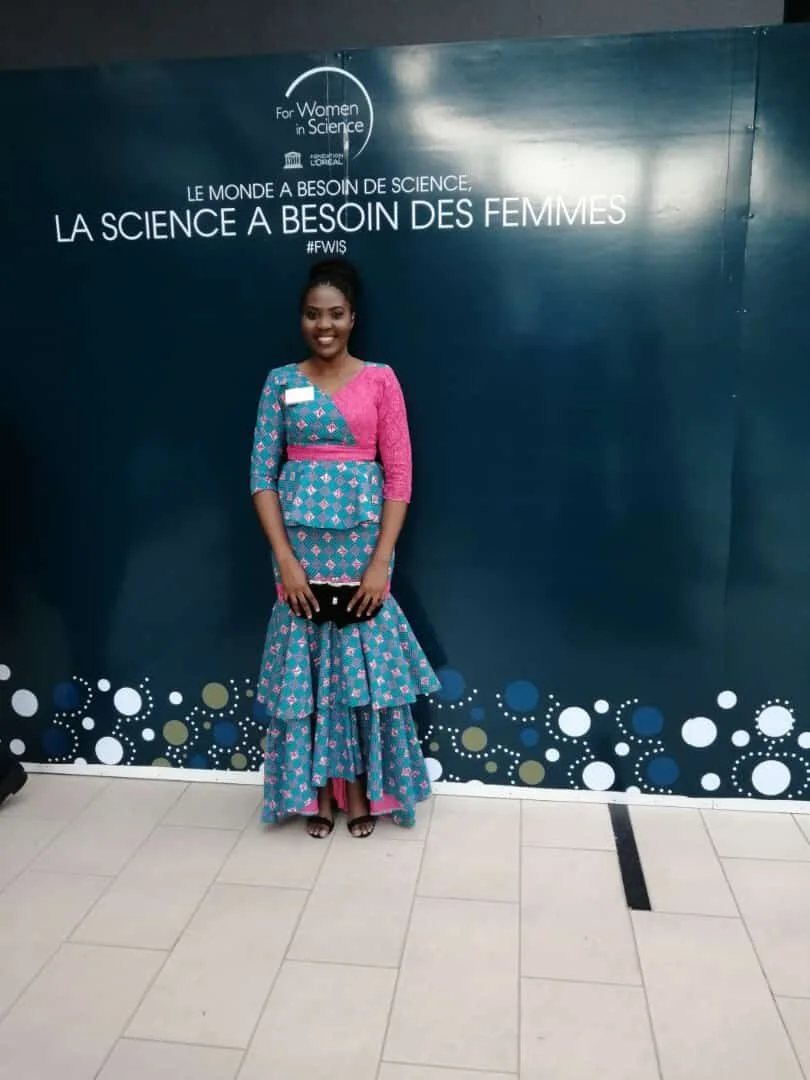
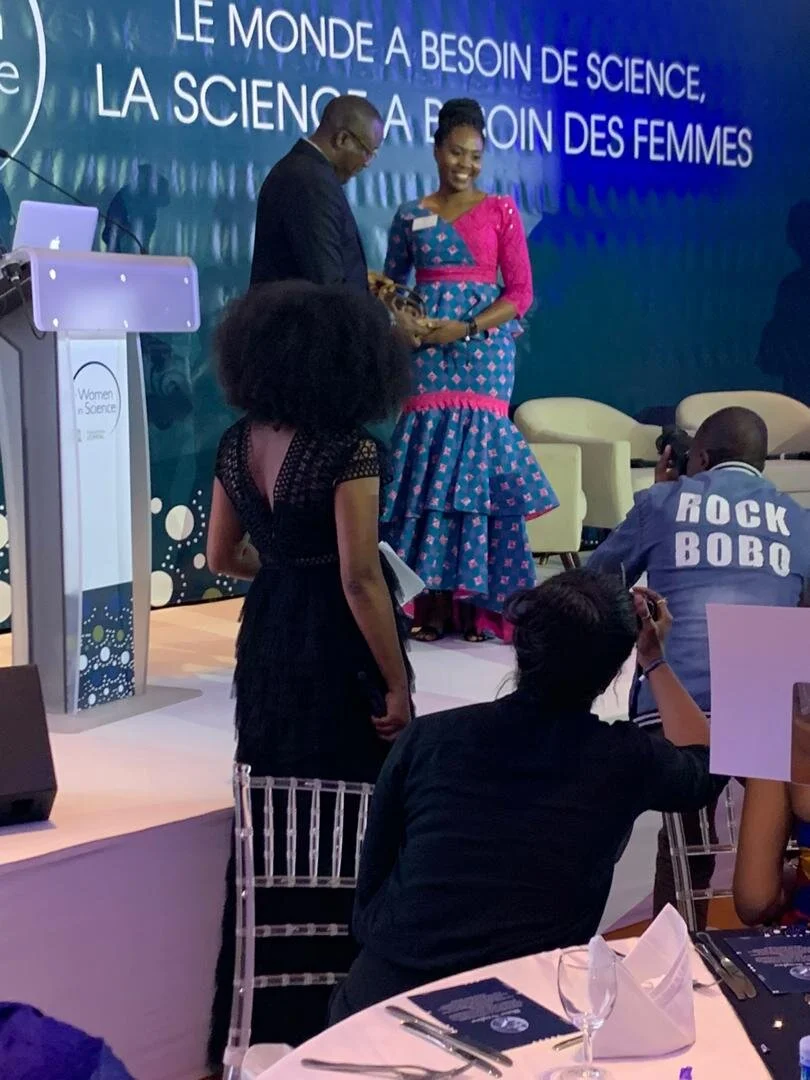
MMEG is proud to announce an update about one of our grantees! Regina Esinam Abotsi, from our South Africa program has recently received a prestigious award. Namely, the 2019 Young Talents Sub-Saharan Africa Awards L’Oréal-UNESCO For Women in Science program. The For Women in Science program is led by the Foundation L’Oréal in partnership with UNESCO.

This award was given to twenty women researchers who came from fifteen different countries in Africa and represented computer scientists, engineers and other scientists. This award supports scientific research in the Africa region by women. It aims to raise the number of women scientists who are from Africa, do the research in Africa to benefit other Africans.

Our grantee, Regina Abotsi is a doctoral candidate in molecular medicine at the University of Cape Town, South Africa. Her research is about establishing antibiotic resistance in possibly pathogenic bacteria presence in respiratory tract of HIV-infected children and adolescents.

Congratulations Regina!

Below are some pictures from the award ceremony.

WhatsApp Image 2019-11-23mm at 11.25.01 AM.jpeg
WhatsApp Image 2019b-11-21 at 11.09.15 PM.jpeg

MMEG Arts and Crafts Fair (November 12-14)

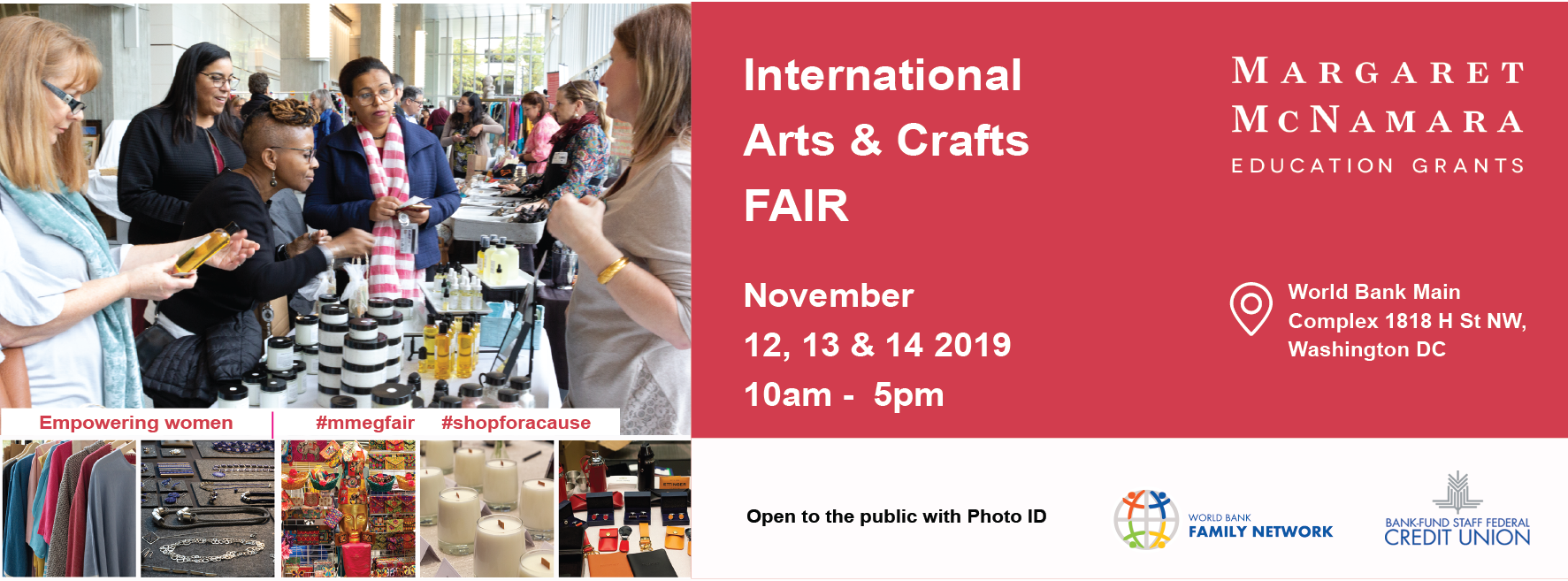
fair ad.png

MMEG's annual Arts & Crafts Fair  was held from November 12 to 14 at the World Bank Main Complex (1818 H Street, N.W). The fair will be open from 10 am to 5 pm in the Preston Auditorium and Glass Lobby and is open to public with photo ID.

For 34 years, Margaret McNamara Education Grants has been organizing and running an annual Arts & Crafts Fair in November.  The objective is to showcase craftspeople from around the world and provide an opportunity for World Bank and IMF staff, as well as the general populace in the Washington DC area, an opportunity to shop for a good cause – that of funding some of the grants MMEG provides to deserving women from developing countries so that they can complete their educations.

 The fair is our biggest fundraising event; a three-day fair involves months and months of planning by committed and hardworking volunteers.  And integral to its success is support from the World Bank, the World Bank Family Network and the BankFund Staff Federal Credit Union; all of which donate support and volunteer hours to the event. Proceeds from the fair generally fund about a third of the total number of grants we provide every year – that is from 7 to 10 extraordinary women receive grants each year because of this hard work and shoppers’ enthusiasm.

 With 57 curated vendors at the Fair, you can find all sorts of goodies and intriguing gifts for you and your friends and family at the Fair.  These include:

 ·         Jewelry

·         Clothing and hand-bags

·         Children's items

·         Textiles

·         Home accessories

·         Works of art

·         Accessories

·         Bath and personal care Items

·         Candles

·         Foodstuffs such as exotic teas and locally-crafted chocolates

 Bargain hunters can find any assortment of decorative items, apparel, books, jewelry, toys and household goods at our ‘White Elephant’ table for gently-used, donated items.  Our favorite proverb at this, the MMEG Table is ‘One man’s trash is another man’s treasure...’  Stop by to find your treasure and then have a bite to eat at the MMEG Gourmet Table next door. 

 The Fair also gives you an opportunity to support our great cause and to learn more about it;  pick up some descriptive literature and please feel free to stop and chat with any of the 12 members of the MMEG board who will be working alongside dozens of volunteers (including some conscripted spouses!) to deliver another successful event. 

Thank you for your interest and we look forward to seeing you at the Fair!


Blog by Asha Asokan, MMEG Grantee 2019

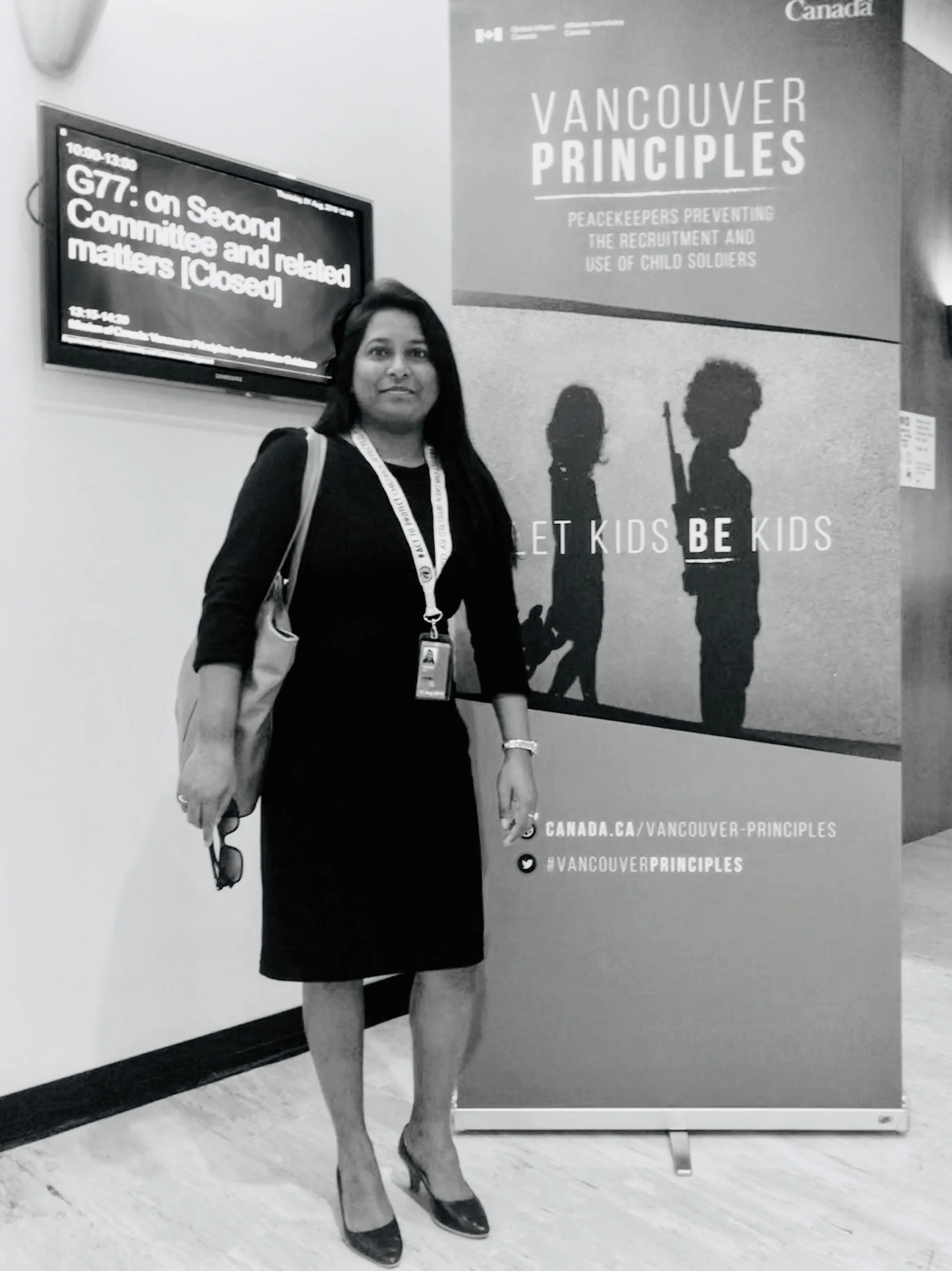
Side events on children and armed conflict.jpg

As per the UN report on Children and Armed Conflict, approximately 250 million children are living in countries and areas affected by conflict and with this increased conflict around the world, violence against children in conflict countries has also increased. As per the report released by UN Special Representative to the Secretary General on Children and Armed Conflict, more than 10,000 children were killed or maimed in 2017 around the world, especially in Iraq, Myanmar, Afghanistan and Syria. And a total of more than 24,000 violations of child rights were reported in 2018, a sharp increase from the previous year, according to the annual report on Children and Armed Conflict. The need and urgency for child protection is very huge due to the increased conflict around the world.

With an interest to work in human rights and humanitarian field, in 2010, I moved from India to Sudan and then later to South Sudan in 2012. This gave me the opportunity to work on civilian protection, with special focus on children, women and refugees, in the context of armed conflict. My focus of work, in conflict countries, was mainly on protecting children during armed conflict, especially from grave violations committed by armed forces and groups in the context of conflict.

At the Security Council to attend debate on children and armed conflict (1).JPG

After six years of my work in conflict and post conflict regions on peace, civilian protection especially women and child protection, I decided to pursue my second masters on policies to contribute in a better way for the protection of children and women in conflict and post-conflict countries. In 2018, I was awarded a generous rotary Peace fellowship to study a two-year master’s program on policies at Duke University. Later in April 2019, I was awarded another generous grant from Margaret McNamara Education Grants (MMEG) to support my career development activities, including attending conferences, speaking events and to partially fund my three-month applied field experience with United Nations in New York.  

A mid-career master’s program at Duke is equipping me with all the policy tools necessary to shape social, political and economic development efforts worldwide and to understand conflict mitigation mechanism in depth. This course of study is helping me to learn in depth about policies and is enhancing my analytical skills. Plus, I am studying more about the ethical dimensions of policy decisions.

In addition to the opportunity to study on policies, I also got the opportunity to do three months of applied field experience at the United Nations Headquarters in New York, commencing in June 2019. I decided to choose the United Nations Office of the Special Representative to the Secretary General on Children and Armed Conflict (UN OSRSG – CAAC) as this will give me the opportunity to understand children and armed conflict issues around the world and expand my horizon in understanding child protection issues outside of South Sudan, where I had previously worked with United Nations Mission in South Sudan. The office of the SRSG CAAC is mandated to report on six grave violations against children in conflict context and around the world there are twenty country situations that has been specifically monitored, because of the active conflict, by the United Nations on children and armed conflict issues. Six grave violations monitored and reported to the UN Secretary General and Security Council includes killing and maiming, abduction, sexual violence,  attack against schools and hospital, denial of humanitarian assistance and recruitment and use of children by armed forces and groups in the context for armed conflict.

 The AFE is giving me opportunities to understand the children and armed conflict issues at a headquarters level, where advocacy is done with the parties to the conflict and with the United Nations member states to ensure the protection of children in the context of armed conflict. I got the opportunity to attend many high-level meetings and network with different expertise working on the issues. During my meeting with the Ms. Virginia Gamba, Special Representative to the Secretary General on Children and Conflict, I was encouraged to hear her that her office is working with different actors to strengthen the protection of children affected by armed conflict, raise awareness, promote the collection of information about the plight of children affected by war, and foster international cooperation to improve their protection.

 In addition to the AFE, MMEG funding is supporting me to attend different conferences and events within and outside US. Such conferences will help me in the work that I do in two ways, by improving my knowledge and skill on the subject and secondly by networking with like minded professionals. It helps me to understand different perspectives about the topic from different speakers and conference attendees. Later in the year, I will speak at different events organized by different organizations on topics - peace building, mediation, women’s protection and child protection. All of these are wonderful opportunities just strengthen my passion and responsibility to contribute more in the human rights field and global peace and international development.

 These opportunities are made possible because of my two grants --The Rotary Peace Fellowship and the Margaret McNamara Education Grants. These opportunities are helping me to strengthen my skills and my responsibility to contribute in a better way for the protection of women and children in conflict and post conflict countries.


MMEG Grantees Work for Peace

_MG_8927.jpg

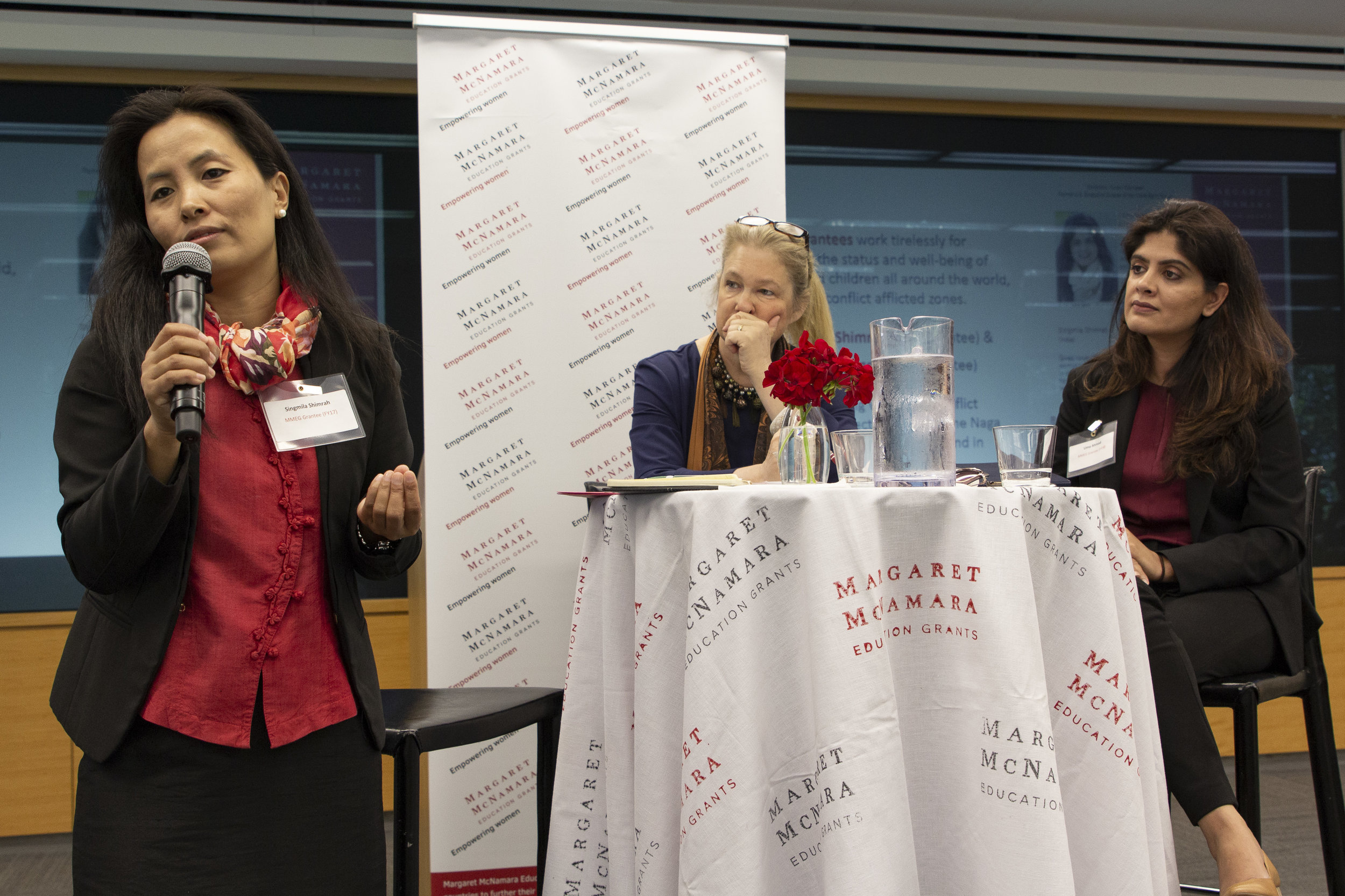
On April 30, MMEG was delighted to host a discussion on “Why We Need Women Peacebuilders in Conflict Zones” featuring two recent grantees, Lima Ahmad and Singmila Shimrah.  Both women work to create and sustain peace in conflict-afflicted communities in their home regions, Afghanistan and Nagaland, respectively.  The forum was moderated by Karen Mathiasen, Former U.S. Executive Director of the World Bank Group and currently an Adjunct Professor at Johns Hopkins School of Advanced International Studies.  Karen opened the discussion by noting that studies show that the influence of women in the peace-building process is profound; peace achieved with the involvement of women tends to persist 30% longer when women are included. 

_MG_8891.jpg

 Lima Ahmad is an FY18 grantee now graduating with a master’s degree in International Relations and Diplomacy from the Fletcher School of Tufts University, where she has just been accepted for a PhD program.  Her focus is on international security and women, especially as it relates to peace-building efforts in Afghanistan.  Lima has worked on involving Afghani women in the peace process, in land reform issues and in improving the prison system for females.  She told us that the impetus for her studies comes from having lost some 50 friends and relatives in conflict in Afghanistan.  Her goal is to ensure that security and peace-building efforts include women at the bargaining table, not at the door as token representatives.

Singmila Shimrah received a MMEG grant in FY17 to support her work toward a doctorate at George Mason University.  Singmila is studying international relations and diplomacy, specializing in conflict analysis and resolution especially as it relates to Naga women’s participation in conflict resolution to enable more durable peace in South Asia.  As a social worker, she veered away from the medical career her family envisioned toward giving voice and agency to women involved in peace-building and conflict resolution.

Also attending was a newly-minted, FY19 grant recipient studying conflict resolution at Duke.  Asha Asokan.  Asha worked in South Sudan as a Child Protection Officer and focuses on bringing women as well as young people into the decision-making process in conflict-affected countries. 

_MG_8887.jpg

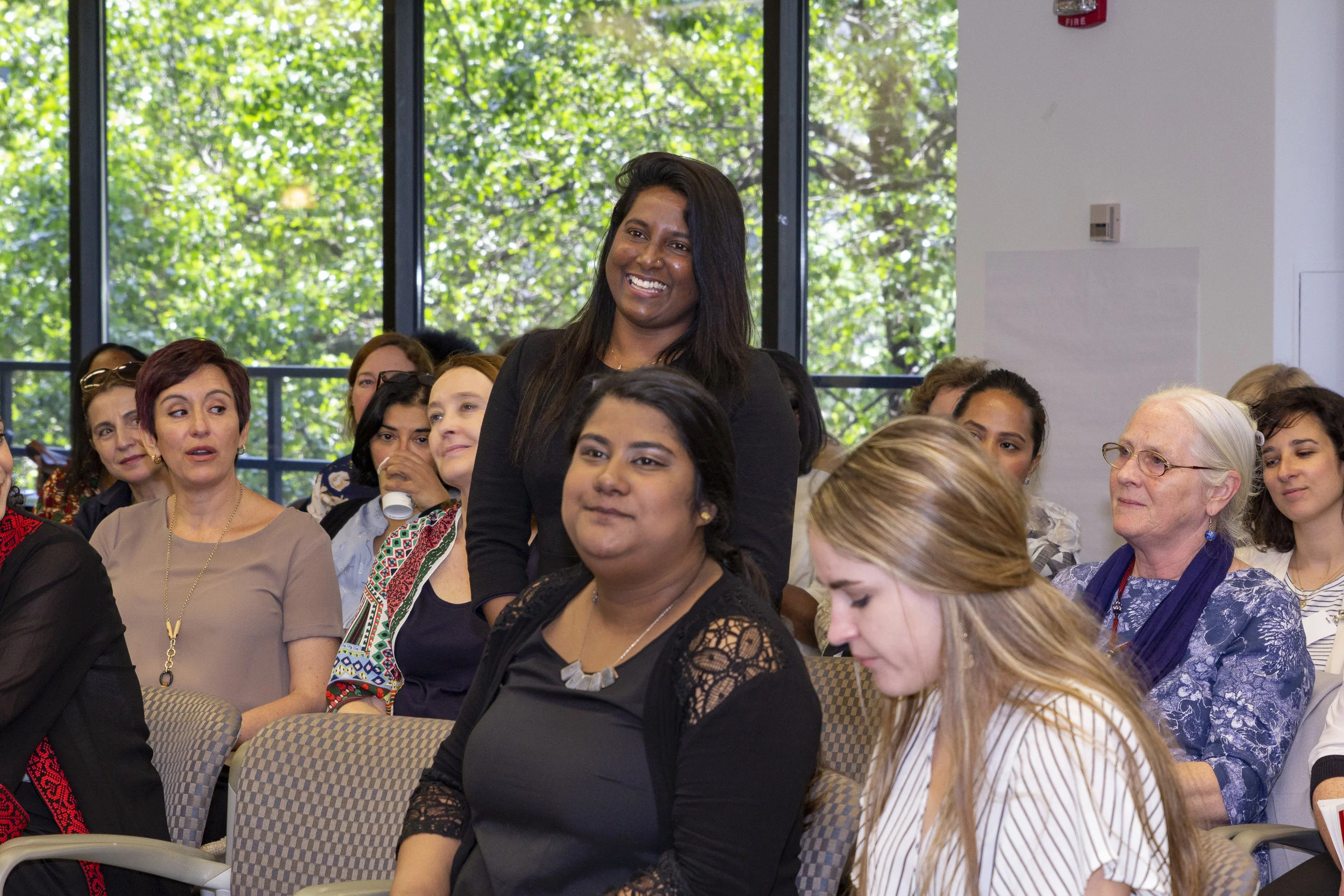
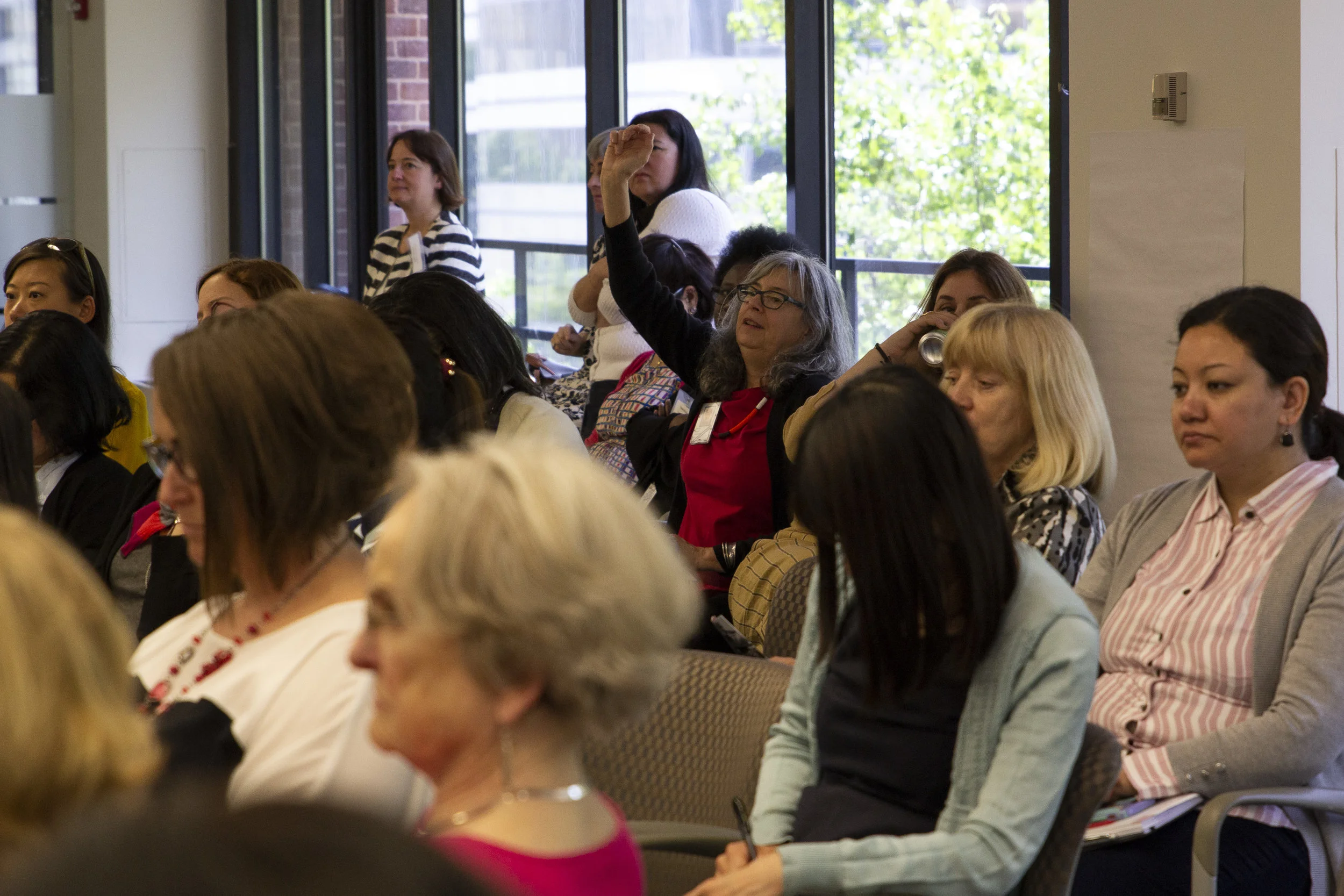
Singmila and Lima spoke with passion and intelligence about their work and their commitment to the cause of building and sustaining peace in a conflict-ridden world, an area that is male- dominated and intimidating especially in their home countries. They and Asha are testament to the exceptionality of MMEG grantees. As Padmini Mahurkar, chairperson of the volunteer selection committee, said at the event’s close, “it is gratifying for us as committee members to see, hear, and meet you and know that we did well to choose you and continue to support the good work that you do.” MMEG board members heartily agree and continue to be very proud of all of our grantees who are truly making a difference in today’s conflict-ridden world.

_MG_9007.jpg

Visit by Valeria Neh Angu (MMEG FY18 grantee)

_MG_5990.jpg

It’s a great day at the MMEG office when one of our grantee visits!  On April 4, Valeria Neh Angu came to see us in Washington.   A native of Cameroon, Valeria received a MMEG grant last year to pursue a master’s degree in Health Science, specializing in Community and Global Health at Clark University in Massachusetts, USA.    Valeria had told us in her MMEG application that she has a passion for justice and equity and boy did that prove to be true!

 Valeria’s belief in the power of women is electrifying as shown in her own story.  Born into a poor polygamous family, Valeria was one of 16 children.  While she was able to go to school while her father lived, her half-brothers closed that door when he died because she was a female child from another woman. This frustration pushed her into early marriage without any asset, where she was mistreated.  However, Valeria believes that a woman should “Never go into a marriage as a liability” expecting another to support you or take care of you; women must be self-reliant to meet their dreams, not making plans subject to their husband’s support.  She believes that if women “want to go ahead, they must do it themselves.”  She was as good as her word and left her husband’s family to go to school, enjoining him to wait for her.  He did wait as she pursued her dream.  

In order to undertake a double undergraduate major in Women’s Studies/Sociology and Anthropology at the University of Buea in Cameroon, Valeria made ends meet by selling doughnuts at the roadside.   She also then acted on another strong belief which is in the power of community.  “Sharing is caring.” So, she shared, her ambitions, her struggles and her story within her community and was able to find an educational mentor who supports her studying to this day.  Combine this ability to reach out to her community with her self-determination, persistence, and ambition and you have success in the form of Valeria’s achievements. 

After finishing school in 2004, Valeria continued to walk the talk and worked in community and livelihood development with Heifer International and a local activist group -- Women in Action Against Gender-based Violence.  She decided then to take her passion further and work in the broader area of global health and women’s empowerment. 

We asked Valeria, how she came to MMEG and she noted that she is an internet “guru,” searching and scrubbing the net.  She had identified the International Development Community and Environment department in Clark University which perfectly combines two programs (international development and public health) in the US and other programs in Europe.  “When I want to find something, I go for it.” She said “I want [to have] opportunities.  Then I choose.”  She chose Clark University and then received a MMEG grant.  “You people saved me” she said, noting that being a grant recipient has increased her already-formidable, self-assurance and determination.   

We asked Valeria how she wants to pay her work forward.  She plans on returning to Africa where she will continue her professional career as a project manager for any development organization that needs a passionate change agent.  There she will work toward equality and justice for women and on global health issues.  “Women’s empowerment means strengthening women’s capacity to use their innate abilities” she says.  She will work toward improving women’s livelihood outcomes such as increasing their access to income which, in turn, gives them the means to become self-sustaining with access to life improvements like – education, better clothing, improved housing, higher quality food choices, vaccinations and better medical treatment.   Valeria says” This would contribute in achieving the sustainable development goals especially for women and girls in all sectors of their lives. Her five years career plan is to lead a non-profit organization in Africa where she will collaborate with other partners to advocate for the voiceless underprivileged--especially women, girls and all children.

Valeria is also creating a legacy with her two daughters.  Not only is she a model of a successful woman to her husband and in today’s global world, she is providing her girls with the foundation of success; “Quality education is the key” she says.   Her elder daughter is studying computer engineering and the younger is still in grammar school.  By Valeria’s account, they are both determined, driven, feisty and opinionated girls.  They sound a lot like their Mother!

FY19 grantees for US-Canada & Trinity Washington university programs announced

Congratulations to our US-Canada and Trinity Washington University grantees, listed here. Successful candidates were informed personally.

Many thanks to our volunteers in the Selection Committee who reviewed the applications and recommended these exceptional women!

Stories of our new grantees coming soon through our social media accounts. Follow us there!